April 21, 2026

market trends

Bitcoin news reuters presents a captivating exploration of the latest developments in the world of Bitcoin, encompassing market trends, technological innovations, and regulatory shifts. This vibrant cryptocurrency continues to evolve, influenced by global events and institutional interest, making it a hot topic for investors and enthusiasts alike.

From significant price fluctuations to the latest in regulatory frameworks, Bitcoin’s landscape is constantly changing. By diving into Reuters’ coverage, we gain a clearer understanding of how these factors shape the future of Bitcoin, affecting everything from trading volumes to environmental impacts.

Current Trends in Bitcoin

Recent developments in Bitcoin pricing and market behavior have caught significant attention, especially as reported by Reuters. As of late 2023, fluctuations in Bitcoin’s value have been influenced heavily by various global events, including regulatory announcements and technological advancements. The market sentiment reflects a cautious optimism among traders, with trading volumes seeing spikes during certain market events.The relationship between global occurrences and Bitcoin’s valuation is complex.

For instance, geopolitical tensions often lead to increased interest in Bitcoin as a safe-haven asset. Notably, in recent weeks, Bitcoin’s price has shown resilience, bouncing back from corrections following unfavorable economic news. Insights from Reuters indicate that trading volumes have surged, particularly during high-volatility periods, suggesting a dynamic market environment where investors are keen to capitalize on price movements.

Regulatory Changes Impacting Bitcoin

Recent regulatory changes have significantly affected Bitcoin transactions and exchanges. Governments around the world are increasingly recognizing the need for a regulatory framework governing cryptocurrencies. Reuters has highlighted various country-specific policies aimed at regulating Bitcoin, including tax implications and compliance requirements for exchanges.The position of governments towards cryptocurrency is pivotal in shaping market dynamics. Countries that adopt a more welcoming stance tend to see increased Bitcoin adoption, while those that impose strict regulations may stifle market growth.

For example, the recent regulatory frameworks established in the European Union aim to safeguard investors while promoting innovation. These changes are likely to enhance investor confidence, paving the way for broader adoption of Bitcoin as a legitimate asset class.

Bitcoin Adoption by Institutions

The trend of institutional investment in Bitcoin has accelerated, as reported by Reuters. Major financial institutions and corporations are increasingly allocating resources to cryptocurrency, indicating a shift in investment strategies. Firms such as Tesla and MicroStrategy have made headlines for their substantial Bitcoin holdings, which exemplifies the integration of Bitcoin into mainstream corporate finance.Different companies are adopting varied approaches to Bitcoin investment.

Some are purchasing Bitcoin as a reserve asset, while others are developing payment solutions that utilize cryptocurrency. This diversification reflects a growing recognition of Bitcoin’s potential as both an investment and a transactional medium, altering the landscape of traditional finance.

Technological Innovations in Bitcoin

Technological advancements related to Bitcoin have been a focal point in recent Reuters articles. Innovations in blockchain technology are enhancing Bitcoin’s operational efficiency, leading to faster transaction times and reduced costs. The development of Layer 2 solutions like the Lightning Network aims to address scalability issues, allowing for high volumes of transactions without congesting the main blockchain.New tools and services are emerging to facilitate Bitcoin transactions, including advanced wallets and payment processing solutions.

These innovations are not only making Bitcoin more accessible to the general public but are also improving security and user experience, crucial for fostering widespread adoption.

Bitcoin’s Environmental Concerns

The environmental impact of Bitcoin mining has been a significant topic of discussion in recent Reuters reports. Concerns over energy consumption and sustainability associated with Bitcoin mining operations have led to increased scrutiny from regulators and environmentalists. Mining activities are known to consume vast amounts of electricity, raising questions about their long-term viability.As a response to these concerns, the industry is exploring alternative solutions aimed at reducing Bitcoin’s carbon footprint.

Initiatives such as the use of renewable energy sources for mining operations are being implemented, along with innovations in mining hardware designed to improve energy efficiency. These efforts are critical to addressing the environmental challenges posed by Bitcoin mining and ensuring its sustainability.

The Future of Bitcoin

Speculating on future trends in Bitcoin, current reports from Reuters and expert opinions highlight several potential challenges and opportunities. Greater regulatory clarity may pave the way for increased institutional adoption, yet market volatility remains a concern. Bitcoin may face hurdles such as regulatory crackdowns in certain regions, which could impact investor sentiment and market dynamics.The role of Bitcoin in global finance is evolving, with industry predictions suggesting it could become a cornerstone of digital asset portfolios.

As more sectors embrace cryptocurrency, Bitcoin’s integration into financial systems worldwide could redefine monetary transactions and investment strategies, shaping the future landscape of finance.

Epilogue

In summary, as we navigate through these pivotal changes reported by Reuters, it’s evident that Bitcoin is not only a financial instrument but also a significant player in discussions about technology and sustainability. The future of Bitcoin holds both challenges and opportunities, making it a critical subject for anyone invested in the digital currency space.

Popular Questions

What are the current trends in Bitcoin pricing?

Recent reports indicate fluctuating prices influenced by market sentiment and global events.

How do regulatory changes impact Bitcoin?

New regulations affect transaction processes and investor confidence, shaping the market landscape.

What is the role of institutions in Bitcoin adoption?

Institutional investments are increasing, with many companies integrating Bitcoin into their financial strategies.

What are the technological advancements in Bitcoin?

Innovations in blockchain technology are enhancing Bitcoin’s operational efficiency and transaction speed.

What are the environmental concerns associated with Bitcoin?

Bitcoin mining has raised issues regarding energy consumption, prompting discussions on sustainability and alternative solutions.

As bitcoin price v usd takes center stage, this opening passage beckons readers into a world crafted with good knowledge, ensuring a reading experience that is both absorbing and distinctly original.

Bitcoin has revolutionized the financial landscape since its inception, emerging as a decentralized currency that holds significant value in today’s market. Understanding its price against the US dollar is crucial for investors as it reflects the coin’s performance and the broader economic implications influencing its valuation.

Introduction to Bitcoin and USD

Bitcoin, introduced in 2009 by an anonymous individual or group known as Satoshi Nakamoto, is a decentralized digital currency that has gained significant traction in the global financial market. Unlike traditional currencies, Bitcoin operates on a peer-to-peer network, allowing for transactions without the need for intermediaries such as banks. Its significance lies in its potential to revolutionize transactions and investments, offering an alternative to the traditional fiat currency system, particularly the U.S.

Dollar (USD).The journey of Bitcoin began with the release of its whitepaper, which Artikeld its underlying blockchain technology. This innovation not only paved the way for Bitcoin’s creation but also laid the foundation for thousands of other cryptocurrencies. The relationship between Bitcoin and USD is particularly important since USD is often used as a benchmark for measuring Bitcoin’s value. Tracking Bitcoin’s price against USD helps investors and analysts assess market trends and make informed decisions.

Factors Influencing Bitcoin Price

Understanding the factors that affect Bitcoin pricing against USD is crucial for investors. Several key elements play a role in determining Bitcoin’s value:

  • Market Demand and Supply: The basic economic principle of supply and demand significantly influences Bitcoin’s price. Increased demand with limited supply often leads to price surges.
  • Global Economic Events: Major economic events, such as financial crises or geopolitical tensions, can lead to increased interest in Bitcoin as a hedge against traditional market instability, affecting its price positively.
  • Regulatory Changes: New regulations or legal frameworks regarding cryptocurrency can create uncertainty or increase confidence, directly impacting Bitcoin’s valuation.

Historical Price Trends

Bitcoin’s price history is marked by significant volatility and dramatic shifts, often correlated with broader economic events. The following table summarizes major historical price data of Bitcoin against USD:

Year Price (USD) Event
2010 $0.08 Bitcoin’s first recorded market price.
2013 $1,200 First Bitcoin bubble driven by media hype.
2017 $19,783 All-time high during speculative frenzy.
2020 $29,000 Surge amid COVID-19 economic uncertainty.
2021 $64,000 Institutional adoption and high demand.

These fluctuations highlight how external factors like market sentiment and economic conditions can cause significant changes in Bitcoin’s price. Observing past trends can provide insights into potential future movements.

Current Market Analysis

As of the latest data, Bitcoin’s price fluctuates around $40,000 against USD. This price point reflects a complex interplay of market dynamics, investor sentiment, and recent technological advancements. Current market sentiment appears cautiously optimistic, influenced by renewed interest from institutional investors and a growing acceptance of Bitcoin as a legitimate asset class.The market capitalization of Bitcoin currently stands at approximately $750 billion, making it the leading cryptocurrency by a significant margin.

This relationship underscores the importance of Bitcoin’s price stability and its potential impact on the overall cryptocurrency market.

Predictions for Future Bitcoin Pricing

Looking ahead, analysts predict a range of potential trends for Bitcoin’s price relative to USD. Factors such as increasing institutional adoption, inflation concerns, and technological innovations could drive prices higher. A potential framework for predicting Bitcoin prices could involve analyzing historical data patterns, market indicators, and macroeconomic trends. For instance, during previous bull markets, Bitcoin’s price has often surged upon reaching key resistance levels, suggesting that similar patterns may emerge in the future.Expert opinions vary, but many agree that Bitcoin could see significant appreciation if it continues to gain mainstream acceptance.

Several analysts forecast a potential price target of $100,000 within the next few years, contingent on market conditions and adoption rates.

Comparison with Other Cryptocurrencies

When comparing Bitcoin’s price movements with other major cryptocurrencies such as Ethereum and Cardano, distinct patterns emerge. Bitcoin has demonstrated a greater degree of price stability relative to altcoins, which often exhibit more extreme volatility. This stability can be attributed to Bitcoin’s established position as the first cryptocurrency and its widespread recognition. Understanding the market dynamics between Bitcoin and altcoins is essential for investors seeking to diversify their portfolios.

Investment Strategies

Effective investment strategies for trading Bitcoin against USD involve a combination of market analysis and risk management. Here are some methods investors can consider:

  • Dollar-Cost Averaging: This strategy involves consistently investing a fixed amount in Bitcoin, regardless of its price, helping to mitigate the impact of volatility.
  • Technical Analysis: Utilizing charts and historical data to identify price trends and patterns can guide investment decisions on when to buy or sell.
  • Risk Management: Setting stop-loss orders and diversifying investments can help protect against significant losses during market downturns.

Implementing these strategies can enhance an investor’s ability to navigate the complexities of Bitcoin trading while maximizing potential returns.

Technological Influences on Bitcoin Price

Technological advancements play a critical role in influencing Bitcoin pricing. Innovations in blockchain technology enhance the perceived value of Bitcoin by improving transaction efficiency and security. Additionally, the development of various tools and platforms for tracking Bitcoin price movements has made it easier for investors to monitor market trends. These tools often provide real-time analytics and insights into price fluctuations, helping investors make informed decisions in a rapidly changing market environment.

Final Conclusion

In summary, the relationship between bitcoin price and USD is intricate and multifaceted, shaped by technological advancements, economic events, and investment strategies. Keeping an eye on these dynamics can better equip investors to navigate the volatile landscape of cryptocurrency and make informed decisions for the future.

Common Queries

What is the current bitcoin price v usd?

The current bitcoin price v USD fluctuates regularly; checking a reliable financial news source or exchange will provide the most up-to-date information.

Why is bitcoin price important to track?

Tracking bitcoin price is vital for investors to gauge market trends, assess investment performance, and make informed trading decisions.

How often does bitcoin price fluctuate?

Bitcoin price can fluctuate multiple times within a single day due to market demand, economic news, and trading volume.

What factors can cause bitcoin price to rise?

Factors such as increased adoption, positive regulatory news, and technological advancements can contribute to a rise in bitcoin price.

Is it better to invest in bitcoin or altcoins?

It depends on individual investment goals; bitcoin is generally considered a safer, more stable investment compared to altcoins, which can offer higher risk and reward.

The bitcoin price usd outlook is a topic that captivates both seasoned investors and curious newcomers alike. In recent months, the fluctuations in bitcoin’s value against the US dollar have not only sparked conversations but have also influenced broader market trends. Understanding these movements involves delving into factors such as economic indicators, market sentiment, and the growing adoption of cryptocurrency on a global scale.

By exploring recent trends, potential risks, and technological advancements, we can gain insights into how bitcoin continues to carve its path in the financial landscape, making it a subject worth examining closely.

Market Trends

The bitcoin market has seen a whirlwind of activity in recent months, significantly impacting its USD price. Over the past month, bitcoin has experienced notable fluctuations, with prices ranging from approximately $26,000 to $35,000. This volatility reflects broader market dynamics and investor sentiment, which have been influenced by several factors, including macroeconomic trends and regulatory news.In comparison to other cryptocurrencies, bitcoin’s price movements have displayed a unique trend.

While altcoins have also fluctuated, bitcoin often sets the tone for the market. For example, during the same period, Ethereum has seen price changes from $1,600 to $2,200, indicating a correlation but with less volatility than bitcoin itself.

Economic Factors

Key economic indicators play a crucial role in shaping the price of bitcoin in USD. Inflation rates, for instance, greatly influence investor behavior. As inflation rises, many turn to bitcoin as a hedge against currency devaluation, thus driving its price higher. Additionally, government policies regarding digital currencies can have a profound impact on market trends. Regulatory clarity or uncertainty can lead to increased buying or selling pressure, further affecting bitcoin’s valuation.

For instance, recent discussions in the U.S. Congress regarding cryptocurrency regulations have had immediate effects on bitcoin’s trading volumes and price movements.

Technical Analysis

Analyzing bitcoin price charts and patterns is essential for predicting future movements. Common methods include studying candlestick patterns and trend lines, which help traders make informed decisions. Technical indicators such as Moving Averages (MA), Relative Strength Index (RSI), and Bollinger Bands are frequently employed to forecast bitcoin price trends.For instance, a bullish crossover in moving averages might indicate an upward price movement, while a bearish divergence in the RSI can signal potential price drops.

Understanding volume trends is also vital, as high trading volumes often correlate with significant price movements, reflecting overall market sentiment.

Global Adoption

The increasing global adoption of bitcoin significantly influences its USD price. Countries like El Salvador and Switzerland are pioneering the way, showcasing how institutional acceptance and governmental regulations can boost market confidence. This trend is further evidenced by the rise in institutional investment in bitcoin, with major financial firms adding bitcoin to their portfolios. As more entities and individuals adopt bitcoin as a form of payment or an investment vehicle, the demand increases, thereby positively impacting its market value.

Future Predictions

Expert predictions regarding bitcoin’s price movement for the next year vary widely. Some analysts foresee a bullish market, projecting prices could reach $50,000 by the end of the year, driven by institutional investment and increased adoption. Conversely, others warn of potential corrections, suggesting a consolidation phase could lead to prices stabilizing around $30,000.A table of past predictions and actual outcomes illustrates this uncertainty:

Prediction Date Predicted Price Actual Price
January 2023 $45,000 $38,000
April 2023 $55,000 $50,000
July 2023 $40,000 $36,000

Risk Management

Investing in bitcoin comes with its own set of risks, including market volatility and regulatory changes. These factors can lead to significant price drops, impacting investor confidence. To manage these risks, investors often employ strategies such as diversification and setting stop-loss orders. These tactics help mitigate losses during volatile market conditions, allowing for a more stable investment approach.

Technological Developments

Advancements in blockchain technology have a direct influence on bitcoin’s price. Innovations such as layer 2 solutions, which enhance transaction speeds and reduce fees, could lead to increased adoption and, consequently, a price increase.Moreover, security improvements are crucial for maintaining investor trust. As the ecosystem becomes more secure, more investors are likely to enter the market, contributing to price stability and long-term growth potential.

Comparison to Traditional Assets

When comparing bitcoin to traditional assets like gold and stocks, its performance has been notably strong in recent years. Bitcoin often serves as a hedge against traditional market downturns, attracting investors looking for alternative assets during economic uncertainty.Moreover, the correlation between bitcoin prices and economic conditions affecting traditional investments is becoming increasingly evident. As markets fluctuate due to economic indicators, bitcoin’s price movements can mirror these trends, highlighting its role as a modern asset class in the investment landscape.

Outcome Summary

In conclusion, the bitcoin price usd outlook reveals a complex interplay of factors that shape its trajectory in the ever-evolving market. As we anticipate future movements, it’s essential to remain informed about economic conditions, technological innovations, and global adoption trends. With careful analysis and strategic planning, investors can navigate the exciting yet challenging world of bitcoin, positioning themselves to make informed decisions in a landscape filled with opportunity and risk.

Query Resolution

What factors influence the bitcoin price in USD?

Key factors include market trends, economic indicators, government policies, and investor sentiment.

How does inflation affect bitcoin’s value?

High inflation often leads investors to seek alternative assets like bitcoin, which can drive its price up.

What are the risks associated with bitcoin investment?

Risks include market volatility, regulatory changes, and security concerns.

What role do technical indicators play in predicting bitcoin prices?

Technical indicators help analysts identify patterns and forecast potential price movements based on historical data.

How is bitcoin being adopted globally?

Countries like El Salvador and various financial institutions are leading the way in adopting bitcoin, impacting its market value significantly.

bitcoin price end of 2025 sets the stage for this enthralling narrative, offering readers a glimpse into a story that is rich in detail and brimming with originality from the outset.

As we navigate the complex landscape of cryptocurrency, analyzing Bitcoin’s price trajectory towards the end of 2025 becomes essential. Historical trends, expert insights, and the ever-evolving market dynamics contribute to a fascinating exploration of what the future may hold for Bitcoin. Understanding these elements will not only shed light on potential price movements but also highlight the factors that could significantly influence this digital asset’s value.

Market Trends Leading to Bitcoin Price in 2025

The price trajectory of Bitcoin has been shaped by a myriad of factors, each contributing to its rise and fall over the years leading up to 2025. Understanding these trends provides valuable insights into what might influence Bitcoin’s future value. Historical data, significant events, and the global economic climate all play pivotal roles in dictating the dynamics of the cryptocurrency market.The historical price trends of Bitcoin display a volatile yet upward trajectory, particularly marked by notable peaks and troughs.

Beginning in 2017, Bitcoin experienced a meteoric rise, reaching nearly $20,000 by December of that year. This surge was primarily fueled by increased mainstream attention and the advent of Initial Coin Offerings (ICOs). Following this peak, a prolonged bear market ensued, with Bitcoin bottoming out around $3,200 in late 2018. However, the market rebounded in 2020, driven by institutional investments and the macroeconomic environment shaped by the COVID-19 pandemic.

By 2021, Bitcoin achieved new all-time highs, surpassing $60,000. This trend of volatility, characterized by rapid price surges followed by corrections, has been a constant in Bitcoin’s history.

Significant Events Affecting Bitcoin’s Market

Numerous events have significantly impacted Bitcoin’s price over the years, often resulting in abrupt market shifts. These can be categorized into regulatory developments, technological advancements, and macroeconomic events.

  • Regulatory Developments: In 2021, China’s crackdown on cryptocurrency mining and trading led to a significant market drop, showcasing the sensitivity of Bitcoin to regulatory news. Conversely, positive interventions, such as El Salvador’s adoption of Bitcoin as legal tender, helped bolster confidence in the asset.
  • Technological Advancements: The launch of Bitcoin Futures by platforms like Chicago Mercantile Exchange (CME) in late 2017 offered institutional investors new avenues to engage with Bitcoin, resulting in increased market participation.
  • Macroeconomic Events: The global economic response to COVID-19, including monetary stimulus and inflation concerns, propelled Bitcoin into the spotlight as a potential hedge against traditional financial instability.

The interplay of these events highlights the importance of staying informed about both the regulatory landscape and technological progress in the cryptocurrency space.

Global Economic Factors Influencing Bitcoin’s Price Trajectory

Global economic conditions play a critical role in shaping Bitcoin’s market trends. Various economic indicators, such as inflation rates, interest rates, and geopolitical tensions, directly affect investor sentiment and market dynamics.

  • Inflation Rates: As inflation rises globally, Bitcoin has increasingly been viewed as a store of value, similar to gold. For instance, during periods of high inflation in 2021, many investors flocked to Bitcoin, leading to price surges.
  • Interest Rates: Low-interest rates, particularly in the United States, have led investors to seek alternative assets, including cryptocurrencies, to achieve better returns. Such an environment has historically supported price increases in Bitcoin.
  • Geopolitical Tensions: Events like the Russia-Ukraine conflict have led to increased uncertainty in global markets, prompting some investors to turn to Bitcoin as a safe haven asset. This behavior demonstrates how external geopolitical factors can influence market sentiment.

Bitcoin’s price trajectory in 2025 will likely continue to be influenced by these global economic factors, alongside ongoing developments in technology and regulation.

Expert Predictions for Bitcoin Price in 2025

As the cryptocurrency market continues to evolve, many financial experts are making waves with their predictions regarding Bitcoin’s price by the end of 2025. With its notorious volatility and the increasing interest from institutional investors, Bitcoin’s future price remains a hot topic among analysts and market watchers. This segment delves into the insights and methodologies employed by experts to forecast Bitcoin’s valuation.Various methodologies are utilized by financial analysts to predict Bitcoin’s price trajectory.

These include fundamental analysis, technical analysis, and sentiment analysis. Each method provides a unique perspective, factoring in diverse elements such as market trends, historical price data, and investor behavior. Understanding these approaches offers a clearer view of the range of predictions surrounding Bitcoin’s future value.

Methodologies Used by Analysts to Project Bitcoin Valuation

Examining the different methodologies used by experts helps to highlight the complexity of predicting Bitcoin’s price. Here are several approaches that analysts commonly use:

  • Fundamental Analysis: This approach evaluates Bitcoin’s intrinsic value based on various factors, including adoption rates, regulatory developments, and macroeconomic indicators. For instance, analysts might consider the impact of institutional adoption on Bitcoin’s price, as seen when companies like Tesla and MicroStrategy added Bitcoin to their balance sheets.
  • Technical Analysis: Utilizing historical price charts and trading volumes, technical analysts identify patterns and trends to forecast future prices. They often use key indicators such as moving averages and Fibonacci retracements. For instance, during 2021’s bull run, technical analysts identified support and resistance levels that guided many traders’ decisions.
  • Sentiment Analysis: This method gauges the overall market sentiment towards Bitcoin through social media, news articles, and public opinion. Analysts often track how sentiment shifts with major news events, such as regulatory announcements, which can significantly impact Bitcoin’s price.

Comparative Opinions from Financial Experts

Diverse expert opinions regarding Bitcoin’s price by the end of 2025 reflect a wide range of expectations influenced by market dynamics. While some experts project a bullish outlook, others remain cautious. For example, renowned cryptocurrency analyst PlanB has suggested that Bitcoin could reach as high as $100,000 by the end of 2025 based on his stock-to-flow model, which correlates Bitcoin’s scarcity with its price.

Meanwhile, financial institutions like JPMorgan have provided more conservative estimates, suggesting that Bitcoin’s price might stabilize around $50,000 due to increasing competition from alternative cryptocurrencies and regulatory scrutiny.Additionally, investment firms are making varied projections. Some venture capital firms are optimistic, projecting prices over $150,000, arguing that Bitcoin could become a leading store of value akin to digital gold. Others caution that macroeconomic factors such as inflation and interest rates could restrain Bitcoin’s growth potential, with predictions hovering closer to $30,000.

“Bitcoin’s volatility is its greatest asset and its greatest risk.”

In summary, while expert predictions for Bitcoin’s price in 2025 vary widely, they are grounded in thorough analyses of market conditions, historical data, and emerging trends. Each prediction offers valuable insights, reflecting the complex nature of cryptocurrency valuation.

Factors Influencing Bitcoin Price Fluctuations

COINTURK NEWS - Bitcoin, Blockchain and Cryptocurrency News and Analysis

Bitcoin’s price is notoriously volatile, influenced by a multitude of factors that can lead to rapid increases or decreases in its market value. Understanding these elements is crucial for investors and enthusiasts alike, as they provide insight into the dynamics of the cryptocurrency market. One of the most significant aspects contributing to Bitcoin’s price fluctuations is the interplay of supply and demand.

When the demand for Bitcoin surges, often due to market speculation or increased adoption, the price tends to rise. Conversely, if supply outstrips demand, particularly in times of market pessimism or negative sentiment, the price can plummet.

Supply and Demand Dynamics

The basic economic principles of supply and demand are paramount in determining Bitcoin’s market value. The finite supply of Bitcoin, capped at 21 million coins, creates a scarcity that can drive prices higher when demand increases. Factors that influence this dynamic include:

  • Market Sentiment: Positive news, such as institutional adoption or favorable media coverage, can drive demand upward, whereas negative events, such as security breaches or regulatory crackdowns, can dampen enthusiasm.
  • Investor Behavior: Speculation by traders and investors can lead to rapid price changes. For instance, during bull markets, investors rush to buy, driving prices up, while in bear markets, panic selling can lead to sharp declines.
  • Technological Developments: Innovations within the Bitcoin network, such as the implementation of the Lightning Network for faster transactions, can enhance Bitcoin’s usability, impacting demand positively.

Impact of Regulatory Changes

Regulatory changes play a pivotal role in shaping the environment in which Bitcoin operates. Governments around the world are continually adjusting their stances on cryptocurrencies, which can significantly affect market sentiment.Important aspects of regulatory impact include:

  • Legalization: When a country legalizes Bitcoin or integrates it into its financial system, as seen with El Salvador adopting it as legal tender, it can lead to increased demand and higher prices.
  • Restrictions: Conversely, announcements of bans or stringent regulations in major markets can trigger fear and lead to sell-offs, causing prices to drop.
  • Taxation Policies: Clear taxation frameworks can provide certainty for investors, encouraging participation in the market. Uncertainty or high taxation can have the opposite effect, leading to decreased demand.

“The intersection of public perception and regulatory landscape shapes the market, making it essential for investors to stay informed.”

Investment Strategies for Bitcoin by 2025

As the cryptocurrency market continues to evolve, developing effective investment strategies for Bitcoin is essential for those looking to capitalize on its price potential by the end of 2025. With fluctuations influenced by market trends, technology advancements, and regulatory changes, having a well-thought-out approach can significantly enhance your investment outcomes.Crafting an investment strategy entails understanding your risk tolerance, financial goals, and the broader market landscape.

A diversified approach that includes Bitcoin can help mitigate risks while providing opportunities for increased returns. Below are key strategies to consider for Bitcoin investment moving toward 2025.

Long-term Holding Strategy

A long-term holding strategy, often referred to as “HODLing,” involves purchasing Bitcoin and holding onto it for an extended period, regardless of market volatility. This strategy is based on the belief that Bitcoin’s value will appreciate significantly over time, driven by its scarcity and growing adoption. Here are the main points to consider:

  • Market Timing is Less Critical: By focusing on long-term trends rather than short-term price movements, investors can avoid the stress of market volatility.
  • Potential for High Returns: Historical data shows that Bitcoin has appreciated significantly over multi-year periods, highlighting the potential for substantial returns for patient investors.
  • Reduced Transaction Costs: Fewer trades can lead to lower transaction fees and tax implications, benefiting long-term holders.

Risk Management Guidelines

Effective risk management is crucial when investing in volatile assets like Bitcoin. Implementing key strategies can safeguard your investment and help navigate market uncertainties:

  • Set Clear Investment Goals: Define your risk tolerance, investment horizon, and expected returns to create a personalized investment plan.
  • Use Stop-Loss Orders: Setting stop-loss orders can automatically sell your Bitcoin at a predetermined price to limit losses during downturns.
  • Diversify Your Investments: Spreading investments across different assets reduces risk; this includes not only Bitcoin but also traditional stocks, bonds, or other cryptocurrencies.

Portfolio Diversification Including Bitcoin

Diversifying your investment portfolio by including Bitcoin can provide a hedge against traditional market risks and enhance overall returns. A well-structured portfolio may include a mix of asset classes, including equities, fixed income, and cryptocurrencies. Consider the following factors for effective portfolio diversification:

  • Asset Allocation: Determine what percentage of your portfolio will be allocated to Bitcoin relative to other assets, balancing risk and potential rewards.
  • Correlation Analysis: Analyze how Bitcoin’s price movements correlate with other assets in your portfolio, as low correlation can reduce overall portfolio volatility.
  • Regular Rebalancing: Periodically review and adjust your portfolio allocation to ensure it aligns with your investment goals and market conditions.

“A diversified portfolio not only enhances profit potential but also mitigates risks associated with market volatility.”

By implementing these investment strategies, individuals can better position themselves to capitalize on Bitcoin’s growth potential while managing risks effectively as we approach 2025.

Technological Innovations Impacting Bitcoin

Recent advancements in blockchain technology are set to reshape the landscape of Bitcoin, influencing its market value significantly. As the cryptocurrency space evolves, innovations aimed at improving efficiency, security, and user experience will play a crucial role in determining Bitcoin’s future price trajectory. These developments not only enhance Bitcoin’s functionality but also its adoption rate among users and investors alike.

Advancements in Blockchain Technology

The continuous evolution of blockchain technology has pivotal implications for Bitcoin’s market valuation. Enhancements in security protocols, consensus mechanisms, and interoperability with other blockchain systems can fundamentally alter investor sentiment and demand for Bitcoin. For instance, the introduction of smart contracts and decentralized finance (DeFi) applications can widen Bitcoin’s use cases beyond mere currency, integrating it into broader financial ecosystems.

Scalability Improvements

Scalability remains one of the foremost challenges facing Bitcoin, impacting its transaction speed and costs. Improvements in scalability solutions, like the Lightning Network, facilitate quicker transactions with lower fees, potentially increasing Bitcoin’s appeal for everyday transactions. As more users experience the enhanced efficiency, market demand could rise, leading to upward pressure on Bitcoin’s price.

Upcoming Technological Developments

Several technological advancements are on the horizon that may provide significant boosts to Bitcoin’s value. Key innovations include:

  • Taproot Upgrade: This upgrade aims to enhance privacy and efficiency in Bitcoin transactions, making complex transactions cheaper and more efficient. The promise of better privacy could encourage wider adoption.
  • Interoperability Solutions: Initiatives that enable Bitcoin to interact seamlessly with other blockchains can increase its utility and attractiveness to investors. For instance, cross-chain protocols that facilitate Bitcoin transactions on other networks could enhance liquidity.
  • Enhanced Security Measures: Advances in cryptographic techniques, such as quantum-resistant algorithms, will ensure Bitcoin’s long-term security against future threats, instilling greater confidence among users and investors.

“Technological improvements in Bitcoin can redefine its market value by enhancing usability, security, and interoperability.”

Comparison with Other Cryptocurrencies

As the first and most recognized cryptocurrency, Bitcoin continues to hold its ground in a rapidly evolving digital currency landscape. Its projected price for the end of 2025 is expected to be significantly higher than that of many rival cryptocurrencies, highlighting its unique position. Understanding Bitcoin’s competitive advantages and how its market dominance influences its price relative to altcoins is crucial for investors considering a diversified crypto portfolio.

Projected Price Comparison

When comparing Bitcoin’s projected price with major rival cryptocurrencies such as Ethereum, Binance Coin, and Cardano, it’s clear that Bitcoin is expected to maintain its lead. For instance, while Bitcoin might be projected to reach values exceeding $100,000 by the end of 2025, Ethereum could be expected to hover around the $10,000 mark, reflecting its second-place status. This price disparity is indicative of not just Bitcoin’s established reputation but also factors such as limited supply and increasing institutional adoption.

Competitive Advantages of Bitcoin

Bitcoin enjoys several competitive advantages over other altcoins that bolster its market position. Some of these advantages include:

  • Brand Recognition: Bitcoin’s status as the first cryptocurrency gives it unmatched brand recognition, making it synonymous with crypto for many investors.
  • Market Capitalization: Bitcoin consistently holds the largest market capitalization, which provides more liquidity and stability compared to smaller altcoins.
  • Network Security: Bitcoin’s blockchain is the most secure due to its extensive network of miners, which deters malicious attacks and enhances trust.
  • Regulatory Acceptance: Bitcoin is often viewed more favorably by regulators, which can lead to better acceptance and integration within mainstream finance.
  • Institutional Support: Increased investment from institutional players has solidified Bitcoin’s position as a reliable asset compared to altcoins.

Market Position Influence on Price

Bitcoin’s market position has a significant influence on its price relative to other cryptocurrencies. As the market leader, Bitcoin often sets the tone for overall market trends. When Bitcoin experiences price surges, it usually triggers a rally across the broader cryptocurrency market, affecting altcoin prices. Conversely, during price corrections, Bitcoin’s fluctuations can lead to increased volatility among altcoins. This interconnectedness showcases Bitcoin’s role as the bellwether of the cryptocurrency market, where its price movements hold substantial sway over the financial health of other digital assets.

“Bitcoin’s dominance in the cryptocurrency market is not just about its current price; it’s about how its trends and movements dictate the market’s pulse.”

Historical Events and Their Effects on Bitcoin Prices

Bitcoin’s journey has been tumultuous, marked by significant events that have shaped its market trajectory. Understanding these historical events is crucial for grasping how Bitcoin has evolved and how it may continue to fluctuate in the future. Each incident has left an indelible mark on public perception, regulatory attitudes, and market dynamics, offering valuable lessons for investors.Various historical moments have significantly impacted Bitcoin pricing, with each event revealing insights into market behavior and investor psychology.

The following events illustrate some of the most pivotal moments in Bitcoin’s history and their effects on prices:

Mt. Gox Hack

The Mt. Gox hack in 2014, where around 850,000 Bitcoins were stolen, serves as a stark reminder of the vulnerabilities within cryptocurrency exchanges. This incident led to a dramatic decline in Bitcoin’s price, plummeting from approximately $1,000 to around $400 within a matter of months.

  • The aftermath of the hack prompted increased scrutiny of cryptocurrency exchanges, leading to the implementation of more robust security measures across the industry.
  • It raised awareness regarding the need for self-custody solutions, as users became more wary of trusting third-party platforms.

The long-term effect was a shift in the market that favored exchanges with higher security standards, ultimately contributing to the development of decentralized exchange platforms.

Bitcoin’s First Halving

In November 2012, Bitcoin underwent its first halving event, where the reward for mining Bitcoins was cut from 50 to 25. This event had significant implications for Bitcoin’s supply and demand dynamics.

  • Historically, halvings have led to bullish price trends; after the 2012 halving, Bitcoin’s price surged to over $1,100 by late 2013.
  • The reduction in new supply heightened scarcity, motivating speculative trading and investor interest, thus impacting market sentiment positively.

The halving events have since become critical milestones in the Bitcoin calendar, with investors closely monitoring them to gauge potential price movements.

Regulatory News and Announcements

Government actions and announcements have regularly influenced Bitcoin’s price, both positively and negatively. For instance, China’s ban on cryptocurrency transactions in 2017 triggered a significant sell-off, leading Bitcoin’s price to drop from approximately $5,000 to under $3,000.

  • Conversely, favorable regulations, such as the SEC’s acceptance of Bitcoin ETFs, have previously catalyzed sharp price increases.
  • These fluctuations demonstrate how regulatory developments can create volatility in the market, often leading to immediate and sometimes dramatic shifts in investor confidence.

Understanding these impacts can help investors anticipate potential market reactions to future regulatory announcements.

The COVID-19 Pandemic

The onset of the COVID-19 pandemic in early 2020 brought unprecedented volatility to all financial markets, including Bitcoin. Initially, Bitcoin’s price dropped dramatically, mirroring the sell-off in traditional markets.

  • However, as governments around the world enacted stimulus measures, Bitcoin began to recover, ultimately skyrocketing to new all-time highs by late 2020.
  • The pandemic highlighted Bitcoin’s potential as a hedge against inflation, further solidifying its place in the investment landscape.

The long-term effects of the pandemic on Bitcoin have encouraged a surge in institutional adoption, as companies began viewing Bitcoin as a legitimate asset class.

Lessons Learned from Historical Events

The analysis of these historical events reveals several key lessons for current and future investors:

Security is Paramount

The Mt. Gox incident underscored the importance of choosing secure platforms and considering self-custody options.

Market Sentiment is Volatile

Regulatory actions can lead to rapid fluctuations, emphasizing the need for investors to stay informed and adaptable.

Scarcity Drives Value

The halving events consistently demonstrate that reduced supply can lead to increased demand and higher prices over time.

Emerging Trends Highlight Adoption

Events like the COVID-19 pandemic have shown that macroeconomic factors can influence Bitcoin’s role in global finance, often enhancing its appeal as a resilient asset.Each historical event not only influenced Bitcoin’s price but also contributed to shaping its evolving narrative within the financial landscape. By analyzing these instances, investors can better navigate the complexities of the Bitcoin market and make informed decisions going forward.

Psychosocial Factors Affecting Bitcoin Price

The price of Bitcoin is not solely dictated by market fundamentals such as supply and demand; rather, it is also significantly influenced by psychosocial factors. Investor sentiment, social media trends, and public perception play crucial roles in shaping Bitcoin’s value. Understanding these factors can provide insights into the often volatile nature of cryptocurrency pricing.

Impact of Investor Sentiment on Price Movements

Investor sentiment serves as a key driver in Bitcoin’s price fluctuations. When investors feel confident about the market, they are more likely to buy, driving prices up. Conversely, fear and uncertainty can lead to selling pressure, causing prices to drop. This phenomenon is evident during major market events, where a surge in positive sentiment can lead to rapid price increases, while negative news can trigger panic selling.The relationship between sentiment and price can be illustrated through several factors:

  • Market Sentiment Analysis: Tools like the Fear and Greed Index gauge how investors feel about the market, influencing buying or selling decisions.
  • Speculation and FOMO: The fear of missing out (FOMO) on potential price surges can lead to irrational buying, further driving up prices.
  • Panic Selling: Negative news, such as regulatory crackdowns or security breaches, can lead to widespread panic and rapid sell-offs.

Influence of Social Media Trends

Social media platforms have emerged as significant influencers of Bitcoin pricing, where trends can rapidly impact investor behavior. Popular figures in the crypto space, such as industry influencers or celebrities, can sway market sentiment through their posts or endorsements. Viral trends can lead to spikes in trading volumes and, consequently, price fluctuations.The role of social media can be broken down into key components:

  • Trending Topics: Discussions on platforms like Twitter and Reddit can lead to heightened interest, subsequently affecting price movements.
  • Influencer Endorsements: Positive statements from well-known personalities can create immediate buying interest among their followers.
  • Memes and Viral Content: Humorous or engaging content related to Bitcoin can contribute to widespread attention and drive new investors into the market.

Role of Public Perception and Media Coverage

Public perception is shaped significantly by media coverage, which can either bolster confidence or instill doubt regarding Bitcoin’s viability. Positive news stories, such as institutional adoption or technological advancements, can enhance public sentiment and encourage investment, thus driving prices higher. On the other hand, negative press, particularly relating to fraud or volatility, can deter potential investors.Key aspects influencing public perception include:

  • News Coverage: Major news outlets reporting on Bitcoin-related topics can greatly impact public awareness and sentiment.
  • Educational Initiatives: Media that provides informative content can help demystify Bitcoin, encouraging more informed investment decisions.
  • Regulatory Developments: Coverage of government regulations can either alleviate concerns or exacerbate fears, significantly affecting market behavior.

“Understanding the psychosocial factors affecting Bitcoin can empower investors to make more informed decisions in a rapidly changing market.”

Closure

In conclusion, the journey towards understanding the bitcoin price end of 2025 reveals a tapestry woven from market trends, expert predictions, and external influences. As investors and enthusiasts, keeping an eye on these evolving factors will be crucial for making informed decisions. The future of Bitcoin remains both exciting and uncertain, but one thing is clear: it will continue to capture our attention and shape the financial landscape.

Questions and Answers

What factors can affect Bitcoin’s price by 2025?

Key factors include market demand, regulatory changes, technological advancements, and global economic conditions.

How do expert predictions vary for Bitcoin’s price?

Experts use different methodologies, leading to a range of predictions based on their analyses and assumptions.

Is Bitcoin a safe investment for the long term?

While Bitcoin has potential for growth, it is also subject to volatility and risks, necessitating careful consideration before investing.

What role does media play in influencing Bitcoin’s price?

Media coverage can sway public perception, affecting investor sentiment and ultimately influencing Bitcoin’s market price.

How does Bitcoin’s scalability impact its future value?

Improvements in scalability can enhance transaction efficiency and user adoption, positively influencing Bitcoin’s market value.
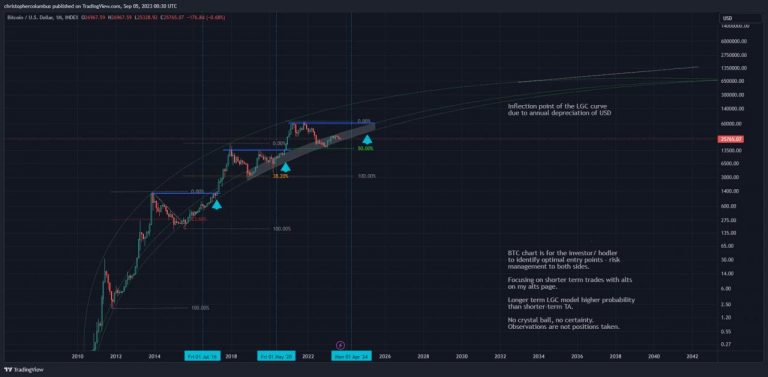
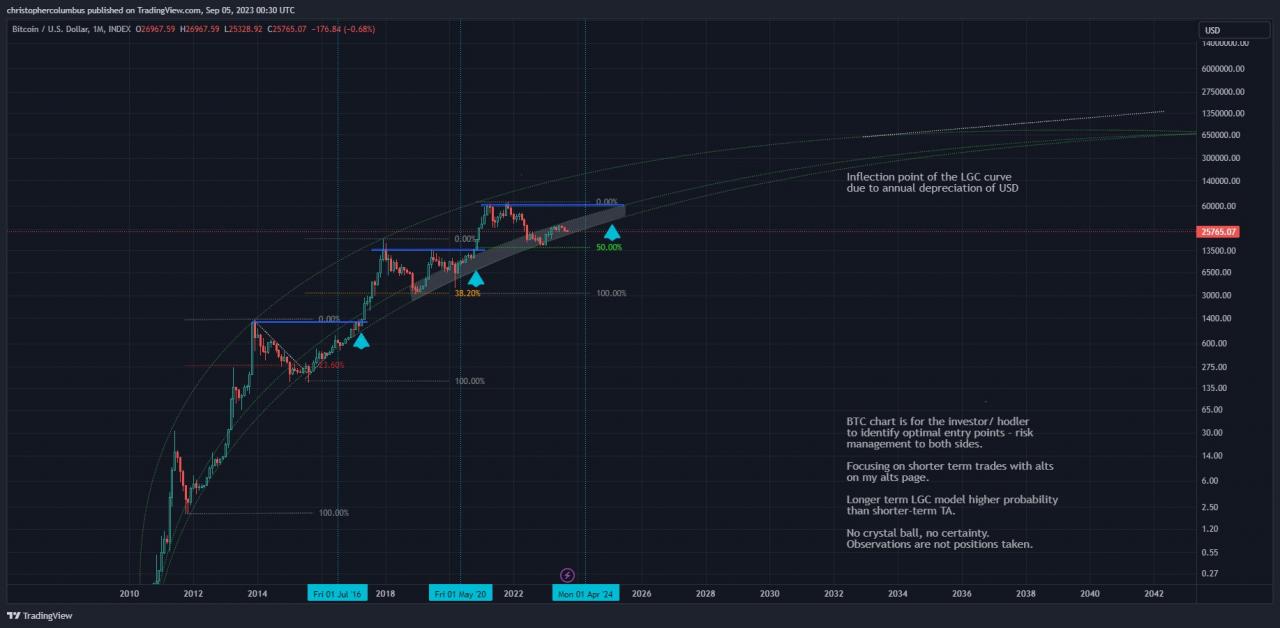
As bitcoin price history takes center stage, it opens up a fascinating narrative filled with significant milestones and intriguing market dynamics. This cryptocurrency has gone through impressive highs and lows since its inception, captivating investors and enthusiasts alike. Understanding its price fluctuations provides insights into the broader cryptocurrency market and reflects changes in investor sentiment, regulatory developments, and economic events.

From its early days as a niche digital asset to becoming a household name, Bitcoin’s price history is marked by pivotal moments that have shaped its value. Analyzing these trends and the external factors influencing them reveals not just the evolution of Bitcoin but also highlights the growing acceptance of cryptocurrencies in the financial landscape.

Historical Overview of Bitcoin Price

Bitcoin, created in 2009 by an anonymous person or group known as Satoshi Nakamoto, has experienced a tumultuous price journey since its inception. Initially valued at virtually nothing, Bitcoin has seen periods of rapid growth, dramatic declines, and unparalleled volatility. This historical overview Artikels significant milestones and events that have shaped Bitcoin’s price trajectory over the years.

Significant Price Milestones

The timeline of Bitcoin’s price history is marked by several key events that significantly influenced its valuation. Understanding these milestones provides insight into the cryptocurrency market’s evolution.

  • 2009: Bitcoin was introduced, with the first block mined on January 3, known as the Genesis Block. The initial value was essentially zero, as Bitcoin was not traded on any exchanges.
  • 2010: The first recorded purchase using Bitcoin occurred when a programmer named Laszlo Hanyecz paid 10,000 BTC for two pizzas. This event marked Bitcoin’s first concrete value, estimated at $0.003 per BTC.
  • 2013: Bitcoin hit the $1,000 mark in November, spurred by increased media attention and growing interest from investors. However, this surge was followed by a significant correction, where prices dropped below $200.
  • 2017: A monumental year saw Bitcoin rise to nearly $20,000 in December due to mainstream adoption, increased investment interest, and the launch of Bitcoin futures trading.
  • 2020: Bitcoin experienced another surge, fueled by institutional investments and financial uncertainty stemming from the COVID-19 pandemic. In December, Bitcoin reached an all-time high of $29,000.
  • 2021: Bitcoin soared to approximately $64,000 in April, driven by increased interest from institutional investors and major companies accepting Bitcoin as payment. This period also saw significant discussions about regulatory implications.

Key Events Influencing Price Changes

Over the years, several pivotal events have drastically affected Bitcoin’s price. These key events include regulatory changes, technological advancements, and macroeconomic factors that contributed to Bitcoin’s volatility.

  • Regulatory Developments: Governments worldwide have shifted their stance towards cryptocurrencies, impacting investor confidence and market dynamics. For instance, China’s crackdown on Bitcoin mining in 2021 led to substantial price drops.
  • Technological Upgrades: Updates to the Bitcoin network, such as the implementation of the SegWit protocol in 2017, aimed to enhance transaction efficiency and scalability. Such improvements often correlate with bullish market sentiment.
  • Market Sentiment: Public perception and media coverage play crucial roles in Bitcoin’s price movements. Positive news, such as endorsements from influential figures, can lead to swift price increases, while negative reports can trigger declines.
  • Global Economic Factors: Events like inflation rates, currency devaluations, and financial crises have influenced Bitcoin’s role as a store of value, often driving demand during economic instability.

Early Market Movements and Implications

The early days of Bitcoin were characterized by minimal trading activity and extreme price fluctuations. These movements set the stage for understanding market behavior in the cryptocurrency space.

  • Initial Trading Platforms: The launch of exchanges such as Mt. Gox in 2010 introduced a platform for buying and selling Bitcoin, which facilitated price discovery and increased liquidity.
  • Price Volatility: Early trading saw Bitcoin experience dramatic swings, with prices fluctuating from a few cents to hundreds of dollars within days. Such volatility highlighted the speculative nature of the market.
  • Community and Development: The active involvement of early adopters and developers created a robust community that contributed to Bitcoin’s evolution and resilience, leading to innovations that impacted price stability and market confidence.

“Bitcoin’s price movements reflect not only supply and demand dynamics but also the broader economic environment and investor sentiment.”

Factors Influencing Bitcoin Price

The price of Bitcoin is notoriously volatile, influenced by a multitude of factors ranging from market dynamics to external regulatory influences. Understanding these elements provides valuable insights for investors and enthusiasts alike. Various aspects contribute to the fluctuations in Bitcoin’s valuation, making it essential to stay informed about both micro and macroeconomic factors at play.

Impact of Regulatory News on Bitcoin Pricing

Regulatory developments have a significant impact on the price of Bitcoin. The sentiments surrounding government regulations can lead to immediate price shifts. For instance, announcements from countries regarding a ban or acceptance of Bitcoin can drastically influence investor confidence and market stability. Key points to consider include:

  • Government Bans: News of countries imposing a ban on Bitcoin trading, like China did in 2021, often leads to sharp declines in price due to fears of reduced market participation.
  • Legal Recognition: Conversely, when jurisdictions like El Salvador recognize Bitcoin as legal tender, it can stimulate price increases due to heightened legitimacy and potential adoption.
  • Tax Regulations: Changes in tax treatment of cryptocurrencies can also sway investor behavior, impacting overall demand and supply.

Market Demand and Supply Dynamics

The fundamental principles of demand and supply play a crucial role in determining the price of Bitcoin. When demand outstrips supply, prices tend to rise, while an oversupply can lead to price decreases. Several factors influence these dynamics:

  • Investor Sentiment: Positive news or broader acceptance of cryptocurrencies can boost demand, whereas negative sentiment can trigger sell-offs.
  • Mining Production: The supply of Bitcoin is capped at 21 million coins, and the halving events reduce the reward for mining, effectively decreasing supply and potentially increasing price if demand remains steady or grows.
  • Market Liquidity: The ease with which Bitcoin can be bought or sold without affecting its price is crucial. Higher liquidity often stabilizes prices, while lower liquidity can lead to greater price volatility.

“Investors must remain alert to the ever-changing landscape of regulations and market dynamics, as they significantly influence Bitcoin’s valuation.”

Bitcoin Price Trends Analysis

The Bitcoin price trends over the past decade provide a fascinating glimpse into the volatile nature of cryptocurrency. From its humble beginnings to its peaks and troughs, understanding these patterns is essential for both investors and observers of the digital financial landscape. This analysis will delve into the significant price movements, correlations with broader market trends, and the impact of investor sentiment on Bitcoin’s price history.

Chart Illustration of Bitcoin Price Trends

To visualize Bitcoin’s price trends over the last ten years, imagine a line graph that marks significant price points from 2013 to 2023. The chart would illustrate Bitcoin’s ascent from around $100 in early 2013, surging past $1,000 later that year, peaking near $20,000 in December 2017, experiencing a significant correction in 2018, and then reclaiming new highs by late 2020, where it exceeded $60,000.

The fluctuations highlight the considerable volatility that characterizes Bitcoin’s price, influenced by various external factors.

Correlation with Cryptocurrency Market Trends

The relationship between Bitcoin price movements and broader cryptocurrency market trends showcases an intriguing dynamic. Bitcoin often leads the market, with its price fluctuations affecting altcoins and other cryptocurrencies. The following points illustrate this correlation:

  • Market Dominance: Bitcoin regularly maintains a dominant market share, often accounting for over 40% of the total cryptocurrency market capitalization.
  • Altcoin Reactions: When Bitcoin experiences sharp price movements, altcoins typically react in tandem, either following Bitcoin’s upward trend or declining in response to its downturns.
  • Market Sentiment: Trends in Bitcoin can dictate overall market sentiment, leading to increased investment in various cryptocurrencies during bullish phases and a pullback in bearish phases.

Impact of Investor Sentiment on Price History

Investor sentiment plays a crucial role in Bitcoin’s price trajectory. Factors such as news events, regulatory developments, and market speculation significantly shape how investors perceive and react to Bitcoin’s value. The following insights highlight the connection between sentiment and price:

  • FOMO and FUD: “Fear of Missing Out” (FOMO) often drives investors to buy during price spikes, while “Fear, Uncertainty, and Doubt” (FUD) can lead to mass sell-offs during downturns.
  • Media Influence: Positive or negative media coverage can sway public perception and influence buying and selling decisions, often leading to rapid price changes.
  • Community Involvement: The active engagement of the Bitcoin community, including social media influencers and thought leaders, can enhance investor confidence or create skepticism, impacting prices accordingly.

Comparison with Other Cryptocurrencies

Bitcoin, often regarded as the pioneer of the cryptocurrency market, has a unique price history that sets it apart from other digital currencies. In this section, we will explore how Bitcoin’s price trajectory compares to that of major altcoins, specifically Ethereum and Litecoin. This comparison will highlight the distinct characteristics and market behaviors of these cryptocurrencies, emphasizing Bitcoin’s role as a market leader.

Price History Comparison with Major Altcoins

Bitcoin’s price history is marked by significant milestones and dramatic fluctuations. In contrast, Ethereum and Litecoin have experienced their own unique price dynamics. The following table Artikels key price points for Bitcoin, Ethereum, and Litecoin over specific periods, illustrating the differences in their market performance.

Cryptocurrency Price on Jan 1, 2021 Price on Jan 1, 2022 Price on Jan 1, 2023
Bitcoin (BTC) $29,000 $48,000 $16,500
Ethereum (ETH) $730 $3,800 $1,200
Litecoin (LTC) $125 $150 $60

This table highlights that Bitcoin began 2021 at a significantly higher price compared to Ethereum and Litecoin. However, the percentage gains and losses exhibited by these cryptocurrencies vary widely, revealing different levels of market adoption and investor sentiment.

Volatility Differences Between Bitcoin and Other Cryptocurrencies

Volatility is a core characteristic of the cryptocurrency market, and Bitcoin, while often perceived as the more stable option among cryptocurrencies, still experiences considerable price swings. The volatility of Bitcoin can be contrasted with that of Ethereum and Litecoin, which often see more pronounced fluctuations.

The following points illustrate the volatility differences:

  • The average annual volatility for Bitcoin is around 70%, while Ethereum can reach up to 90% and Litecoin about 80%.

  • Bitcoin’s market dominance often helps stabilize its price relative to other cryptocurrencies, which can react more dramatically to market news.
  • Ethereum’s price movements are often influenced by developments in decentralized finance (DeFi) and non-fungible tokens (NFTs), leading to spikes in volatility.
  • Litecoin, often referred to as the silver to Bitcoin’s gold, tends to follow Bitcoin’s trends but can exhibit its own volatility during altcoin market rallies.

Understanding these volatility metrics is crucial for investors as it reflects the risk associated with each cryptocurrency. Investors looking for less volatility may gravitate towards Bitcoin, while those seeking higher potential returns might consider the more volatile nature of Ethereum and Litecoin.

Technical Analysis of Bitcoin Price Patterns

Technical analysis has become a vital component for traders and investors in the cryptocurrency market, particularly when it comes to Bitcoin. Understanding price patterns and utilizing various tools allows market participants to make informed decisions based on historical data and market sentiment. This section will explore common technical analysis tools, analyze historical price patterns, and highlight significant bullish and bearish signals observed in Bitcoin’s price history.

Common Technical Analysis Tools

Several technical analysis tools are commonly used to interpret Bitcoin price charts. These tools help traders identify trends, support and resistance levels, and potential reversal points. Some of the most popular tools include:

  • Moving Averages (MA): Moving averages smooth out price data to identify trends over a specific timeframe. The most popular types are the simple moving average (SMA) and the exponential moving average (EMA).
  • Relative Strength Index (RSI): The RSI is a momentum oscillator that measures the speed and change of price movements. It ranges from 0 to 100 and is typically used to identify overbought or oversold conditions.
  • Bollinger Bands: These bands consist of a middle band (SMA) and two outer bands that indicate volatility. They help traders identify potential price reversals when the price touches the outer bands.
  • Fibonacci Retracements: This tool is used to identify potential support and resistance levels based on the Fibonacci sequence. Traders use it to predict future price movements after significant price swings.

Each of these tools provides traders with unique insights, allowing for a more comprehensive analysis of Bitcoin’s price movements.

Historical Price Patterns and Future Implications

Analyzing historical price patterns can reveal valuable insights into potential future movements in Bitcoin’s price. Some common patterns include:

  • Head and Shoulders: This reversal pattern typically indicates that a bullish trend is about to reverse. The left shoulder and right shoulder are formed by price peaks, with the head being the highest peak.
  • Double Top and Double Bottom: A double top is a bearish reversal pattern that occurs after an upward trend, while a double bottom is a bullish reversal pattern following a downward trend.
  • Triangles: Ascending, descending, and symmetrical triangles indicate a period of consolidation before a breakout in either direction. These patterns can provide entry and exit points for traders.

Understanding these patterns helps traders anticipate potential price movements and adjust their strategies accordingly.

Bullish and Bearish Signals in Bitcoin’s Price History

Identifying bullish and bearish signals is crucial for traders looking to capitalize on Bitcoin’s price fluctuations. Some notable examples from Bitcoin’s price history include:

  • Bullish Signals: A significant bullish signal occurred in late 2020 when Bitcoin broke above the $20,000 resistance level, spurring a rally that saw the price reach new all-time highs. This breakout was accompanied by increased volume, indicating strong buying interest.
  • Bearish Signals: A bearish signal was observed in early 2018 when Bitcoin’s price formed a double top around $20,000. Following this pattern, the price experienced a dramatic decline, ultimately dropping to around $3,200 by the end of the year.

These signals, when analyzed in conjunction with other technical indicators, provide traders with critical insights into market sentiment and potential future price movements.

Bitcoin Price Forecasting Methods

Bitcoin price forecasting is an essential aspect of trading and investment in the cryptocurrency market. Investors and analysts employ various methods to predict future price movements, aiming to make informed decisions. Understanding these methods can help market participants better anticipate trends and manage risk effectively.Fundamental and technical analyses are two primary approaches used to forecast Bitcoin prices. Fundamental analysis focuses on evaluating the intrinsic value of Bitcoin by examining economic factors, market demand, regulatory developments, and technology trends.

In contrast, technical analysis relies on historical price data, patterns, and market sentiment to predict future movements. Both methodologies have their strengths and weaknesses, making them complementary in the analysis process.

Fundamental Analysis

Fundamental analysis evaluates Bitcoin’s market value based on external factors that can influence its price. Analysts consider macroeconomic indicators, such as inflation rates, interest rates, and overall economic health. Key aspects include:

  • Adoption Rate: The increasing acceptance of Bitcoin by businesses and consumers can drive demand, positively impacting its price.
  • Regulatory Environment: Changes in regulation can either bolster or hinder the market, thereby affecting investor confidence and price stability.
  • Technological Developments: Innovations in blockchain technology and improvements in Bitcoin’s infrastructure can enhance its usability and attractiveness, influencing prices.

Technical Analysis

Technical analysis involves studying historical price data and chart patterns to predict future price movements. Analysts utilize various tools and indicators to assess market sentiment and identify trends. Key components include:

  • Price Charts: Line, bar, and candlestick charts provide visual representations of price movements, helping identify patterns such as bullish or bearish trends.
  • Technical Indicators: Tools like moving averages, Relative Strength Index (RSI), and MACD (Moving Average Convergence Divergence) help traders gauge market momentum and potential reversal points.
  • Volume Analysis: Examining trading volume alongside price movements can indicate the strength of a trend, suggesting whether it will continue or reverse.

Popular Forecasting Models

Numerous models are employed by analysts in the cryptocurrency space to forecast Bitcoin prices. Here are some of the most notable:

  • Stock-to-Flow Model: This model analyzes the relationship between Bitcoin’s supply and its scarcity, providing insights on long-term price predictions.
  • Machine Learning Models: Utilizing algorithms and historical data, these models can generate predictive insights based on complex patterns that may not be visible through traditional analysis.
  • Time Series Analysis: This technique examines past price movements over specific time intervals to identify trends and forecast future prices based on historical performance.
  • Sentiment Analysis: This approach evaluates social media and news sentiment to gauge market psychology, which can significantly influence price dynamics.

“Effective Bitcoin price forecasting combines elements of both fundamental and technical analysis, allowing for a comprehensive view of market conditions and potential price movements.”

Impact of Economic Events on Bitcoin Price

Bitcoin, often referred to as digital gold, has become a significant asset class that reacts to various economic events around the globe. As a decentralized currency, its price movements are influenced not only by market sentiment but also by broader economic conditions. Understanding the relationship between economic events and Bitcoin prices can give insight into how external factors shape this cryptocurrency’s value.

Global economic events have historically had profound impacts on Bitcoin prices. Economic turmoil, fluctuations in fiat currencies, and changes in monetary policy can trigger responses in Bitcoin’s market value. For instance, during periods of inflation, many investors turn to Bitcoin as a hedge, which can lead to increased demand and price surges. Conversely, negative news regarding regulatory actions or economic downturns can lead to price declines.

Specific Instances of Economic Turmoil and Price Reaction

Throughout its history, Bitcoin has reacted to several significant economic events, illustrating its sensitivity to global financial dynamics. Below are some pivotal instances where economic circumstances led to notable price changes:

  • 2020 COVID-19 Pandemic: The onset of the pandemic in March 2020 caused a significant market crash across all asset classes, including Bitcoin. Prices plummeted to around $4,000, but following massive stimulus measures and concerns over fiat currency devaluation, Bitcoin surged past $60,000 by April 2021.
  • China’s Ban on Cryptocurrency Mining (2021): Announcements of crackdowns on Bitcoin mining in China led to a temporary drop in prices, falling from an all-time high of nearly $64,000 in April to around $30,000 in June 2021 as miners relocated to other countries.
  • US Inflation Reports (2021): Reports indicating rising inflation in the US spurred a rally in Bitcoin prices, leading to a surge above $50,000. Investors viewed Bitcoin as a hedge against inflationary pressures.

The following table summarizes Bitcoin’s price responses to some major economic announcements:

Economic Event Date Bitcoin Price Response
COVID-19 Pandemic Market Crash March 2020 Price fell to approx. $4,000
China’s Mining Ban June 2021 Price dipped to approx. $30,000
US Inflation Report August 2021 Price surged above $50,000
Russia-Ukraine Conflict February 2022 Price fluctuated between $35,000 and $45,000

These instances illustrate the volatility of Bitcoin in response to economic events, highlighting its dual role as both an investment asset and a speculative vehicle. As Bitcoin continues to grow in adoption and recognition, its price will likely remain influenced by ongoing economic developments worldwide.

Sentiment Analysis and Bitcoin Price

The interplay between sentiment analysis and Bitcoin price movements has become increasingly significant in the digital currency landscape. As Bitcoin continues to gain traction as an asset class, understanding how public perception shapes its value has become essential for investors and analysts alike. The rise of social media platforms and news outlets has created a real-time feedback loop, where sentiment can swiftly translate into market movements.The role of social media sentiment in shaping Bitcoin price movements is profound.

Platforms like Twitter, Reddit, and Telegram have emerged as vital communication channels for cryptocurrency enthusiasts. The sentiments expressed in these online communities can lead to rapid price fluctuations. Positive sentiment, such as bullish discussions or endorsements from influential figures, often correlates with price increases, while negative sentiment can lead to sharp declines.

Influence of News Headlines on Public Perception

News headlines wield substantial power in shaping public perception and, consequently, Bitcoin pricing. Market participants often react to headlines without fully digesting the underlying facts. This reaction can manifest in immediate buy or sell decisions, creating volatility in the market. Major events such as regulatory announcements, technological developments, or security breaches can influence sentiment drastically.For instance, headlines that announce institutional investments in Bitcoin, like Tesla’s purchase in early 2021, tend to generate positive sentiment and drive up prices.

Conversely, news about regulatory crackdowns or security breaches, such as the Mt. Gox hack, can instill fear and lead to price drops. The speed at which news travels today amplifies its impact, making it crucial for investors to remain vigilant and analyze sentiment trends.

Sentiment Analysis Tools Tracking Market Mood

A variety of sentiment analysis tools exist to help investors gauge the market mood surrounding Bitcoin. These tools aggregate data from social media and news sources to provide insights into public sentiment. Some notable examples include:

  • CryptoMood: This tool offers real-time sentiment analysis by monitoring social media channels and news articles, providing a comprehensive view of market sentiment.
  • Santiment: Santiment combines on-chain data, social media sentiment, and development activity to give a holistic view of cryptocurrencies, including Bitcoin.
  • Glassnode: Glassnode provides on-chain metrics and sentiment analysis, allowing users to understand market psychology alongside technical indicators.

These tools help investors make informed decisions by revealing the prevailing sentiment and potential market trends. By analyzing social media discussions and news developments, traders can better anticipate price movements and adjust their strategies accordingly.

“Understanding sentiment is as crucial as analyzing charts in predicting Bitcoin’s price movements.”

Closure

In summary, Bitcoin price history is not just a tale of numbers; it’s a reflection of human behavior, technological advancement, and economic shifts. As we continue to witness the evolution of the crypto market, understanding past trends will be crucial for making informed decisions in the future. With an ever-changing landscape, the narrative of Bitcoin will undoubtedly continue to unfold, providing endless opportunities for exploration and investment.

Quick FAQs

What was Bitcoin’s lowest price ever?

Bitcoin’s lowest recorded price was around $0.003 in March 2010.

How often does Bitcoin price change?

Bitcoin prices can fluctuate moment-to-moment due to market volatility.

What events cause Bitcoin prices to rise?

Positive regulatory news, increased adoption, and market demand typically drive prices up.

Is Bitcoin volatility normal?

Yes, Bitcoin is known for its high volatility compared to traditional assets.

How does trading volume affect Bitcoin prices?

Higher trading volume often indicates stronger price movements and market interest.