Investing in Bitcoin has become increasingly accessible, and using your bank account to purchase it is now a common practice. This guide provides a clear and concise overview of the process, covering everything from the basics of Bitcoin transactions to security considerations and various platforms available. Navigating the world of cryptocurrency can be daunting, but this resource aims to demystify the process of buying Bitcoin with your bank account.
The guide explores the intricacies of buying Bitcoin with a bank account, including the various platforms that facilitate these transactions, the associated fees, and the critical security measures to maintain. We’ll also look at alternatives for acquiring Bitcoin if you prefer not to use a bank account, as well as general information about cryptocurrency, the blockchain, and Bitcoin’s volatility.
Introduction to Bitcoin Purchasing
Bitcoin, a decentralized digital currency, emerged in 2009, challenging traditional financial systems. Its creation, attributed to Satoshi Nakamoto (a pseudonym), aimed to provide a peer-to-peer electronic cash system. This innovative approach, based on cryptography, allows for secure and transparent transactions without intermediaries like banks.Bitcoin transactions utilize a distributed ledger technology known as a blockchain. Each transaction is recorded on this ledger, verified by a network of computers, and added to a block.
This cryptographic security ensures the immutability and transparency of transactions. The verification process is crucial in maintaining the integrity and trust in the Bitcoin system.Several avenues exist for acquiring Bitcoin. These methods vary in complexity, security, and associated fees. Understanding these options is essential for making informed decisions about purchasing Bitcoin.
Methods for Acquiring Bitcoin
Different methods for acquiring Bitcoin cater to various user needs and preferences. These methods range from established exchanges to peer-to-peer platforms and even direct purchases using bank accounts.
Comparison of Bitcoin Acquisition Methods
| Method | Description | Pros | Cons |
|---|---|---|---|
| Exchange | Platforms like Coinbase, Kraken, and Gemini allow users to buy and sell Bitcoin using fiat currency (like USD, EUR). | User-friendly interfaces, security measures, and liquidity. Often have lower fees for large transactions. | Can have higher fees for smaller transactions, regulatory compliance and restrictions may vary by jurisdiction. |
| Peer-to-Peer (P2P) | Direct transactions between buyers and sellers. Platforms like LocalBitcoins facilitate these transactions. | Potentially lower fees than exchanges, direct interaction with sellers. | Higher risk of scams, verification of seller legitimacy is critical, and security depends on the platform’s reputation. |
| Bank Account | Some exchanges and specialized providers allow direct purchase of Bitcoin using bank accounts. | Convenience of using familiar payment methods, often quicker transaction processing compared to traditional exchanges. | More limited selection of cryptocurrencies compared to traditional exchanges, security and compliance measures might vary. |
Bitcoin Exchange Platforms
Bitcoin exchange platforms provide a structured marketplace for buying and selling Bitcoin. These platforms offer a range of services, including user accounts, security measures, and transaction processing. Navigating these platforms often involves registration, verification, and understanding the specific fees associated with each transaction.
Peer-to-Peer Bitcoin Transactions
Peer-to-peer platforms facilitate direct transactions between buyers and sellers. This method can lead to potentially lower transaction fees but also carries higher risks, requiring due diligence in verifying the identity and reputation of the seller. Careful consideration of transaction security is crucial. It is essential to use reputable platforms and employ secure payment methods.
Bitcoin Purchases with Bank Accounts
Several platforms allow direct Bitcoin purchases using bank accounts. This approach can be convenient for those familiar with bank transactions. However, regulatory considerations and compliance measures may differ based on the platform and jurisdiction. It’s important to research the platform’s security and transaction procedures before making a purchase.
Buying Bitcoin with a Bank Account
Purchasing Bitcoin using a bank account is a common and straightforward method for acquiring the cryptocurrency. This method typically involves using a regulated exchange platform that facilitates the transaction. Security is paramount in these transactions, and reputable platforms employ robust measures to protect user funds.The process of buying Bitcoin with a bank account often entails linking your bank account to a cryptocurrency exchange platform.
This allows for seamless transfers of funds, enabling you to purchase Bitcoin directly. Different platforms offer various features and security protocols, leading to varying user experiences and fees.
Process of Purchasing Bitcoin
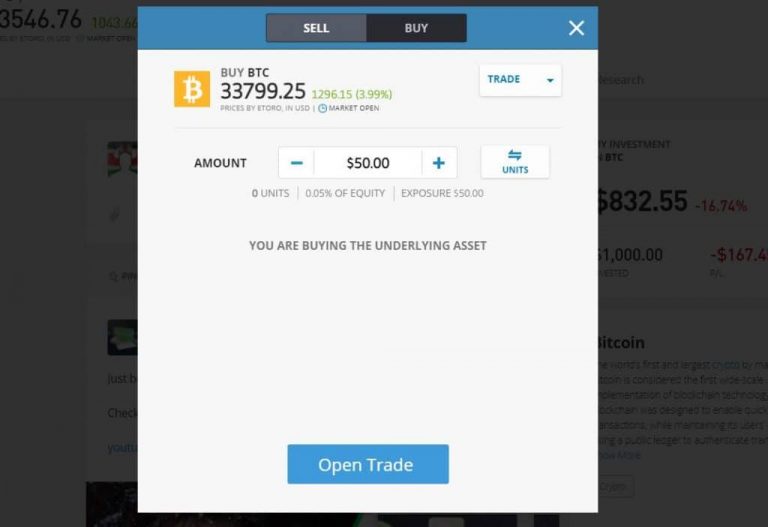
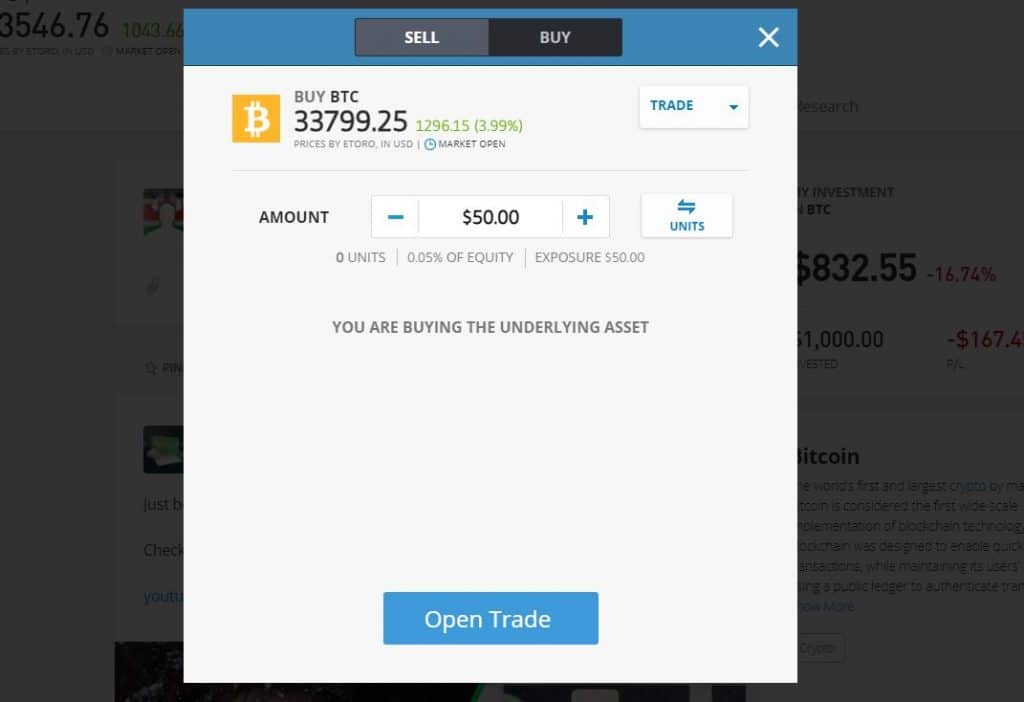
This process typically involves linking your bank account details to a reputable cryptocurrency exchange. Verification steps are crucial for security. Once your account is verified, you can initiate a purchase order for the desired amount of Bitcoin. The exchange will then process the transaction, and the Bitcoin will be credited to your exchange account.
Security Measures
Security measures employed by these platforms are essential for protecting user funds. These measures often include multi-factor authentication (MFA), which requires additional verification steps beyond a password, like a one-time code sent to your phone. Strong encryption protocols protect sensitive data during transactions. Cold storage solutions, storing Bitcoin offline, are used for safeguarding funds. Regular security audits and updates also help mitigate risks.
Comparison of Platforms
Several platforms facilitate Bitcoin purchases via bank accounts. Each platform has its own strengths and weaknesses, impacting user experience and fees. Factors like transaction speeds, available trading options, and user interface design influence the platform selection. Some platforms offer advanced features, such as margin trading, while others may focus on simplicity and ease of use.
Fees Associated with Buying Bitcoin
Fees for buying Bitcoin via bank transfer vary depending on the platform and the transaction amount. Some platforms charge a flat fee, while others may have a percentage-based fee structure. Network fees, which are a cost associated with the Bitcoin blockchain itself, are also applicable. Exchange fees are charged by the platform itself. These fees are usually transparently displayed on the platform.
Example Fees
As an example, a platform might charge a flat fee of $5 for a bank transfer, plus a small percentage fee based on the transaction amount. Network fees can also vary significantly, depending on the transaction volume on the Bitcoin blockchain. These fees can be tracked and monitored within the exchange’s interface.
Step-by-Step Guide
- Select a reputable cryptocurrency exchange that supports bank transfers.
- Create an account and verify your identity, following the platform’s guidelines.
- Link your bank account to the exchange, ensuring accurate information.
- Initiate a Bitcoin purchase order for the desired amount.
- Review the transaction details and confirm the purchase.
- Monitor the transaction status until the Bitcoin is credited to your account.
Pros and Cons of Platforms
| Platform | Pros | Cons |
|---|---|---|
| Platform A | Fast transaction speeds, user-friendly interface | Higher fees compared to other platforms |
| Platform B | Low fees, extensive trading options | Slower transaction speeds, less user-friendly interface |
| Platform C | Excellent security measures, strong reputation | Higher fees, potentially more complex interface |
Security Considerations
Buying Bitcoin with a bank account introduces specific security risks that differ from other methods. Understanding these risks and implementing appropriate safeguards is crucial to protecting your investment. A proactive approach to security minimizes the likelihood of financial loss.A key aspect of Bitcoin security involves mitigating risks associated with both the platform used for the transaction and the inherent nature of cryptocurrency itself.
This includes awareness of potential scams and fraudulent activities targeting Bitcoin users. Careful consideration of these factors is vital to ensure safe and secure transactions.
Security Risks Associated with Bank Account-Based Bitcoin Purchases
Platforms facilitate Bitcoin purchases using bank accounts, but this method also introduces risks. Issues like platform vulnerabilities, account compromises, and potentially fraudulent activities associated with the bank account or the Bitcoin exchange can lead to significant financial losses. Security measures employed by the platform, while crucial, are not foolproof.
Common Bitcoin Scams and Fraudulent Activities
Numerous scams target Bitcoin investors. Phishing attempts, fake Bitcoin exchanges, and pump-and-dump schemes are common tactics. These schemes often exploit users’ lack of awareness or technical knowledge. Understanding these common fraudulent activities is essential for avoiding scams.
Recommendations for Safe Bitcoin Transactions
Thorough due diligence is crucial when selecting a Bitcoin purchasing platform. Research the platform’s reputation, security measures, and user reviews. Verify the platform’s legitimacy and compliance with regulations. Always prioritize reputable and established platforms.Use strong, unique passwords for all your accounts. Enable two-factor authentication (2FA) wherever possible to add an extra layer of security.
Best Practices for Protecting Your Bitcoin Holdings
Store your Bitcoin securely. Avoid storing large amounts of Bitcoin on exchanges for extended periods. Use a secure hardware wallet or a reputable cold storage solution for long-term storage. This offline storage minimizes the risk of hacking.
Different Types of Security Measures Used by Platforms
Platforms employing various security measures to protect user funds. These measures include encryption, multi-factor authentication, and regular security audits. Secure transaction protocols and robust encryption methods are crucial.
Importance of Keeping Your Private Keys Secure
Your private keys are the keys to your Bitcoin holdings. Losing or compromising your private keys results in the loss of your Bitcoin. Safeguarding these keys is paramount. Keep your private keys offline and never share them with anyone. Employing secure storage solutions and practicing strong password management are essential for protecting your private keys.
Platforms and Services
Several reputable platforms facilitate the purchase of Bitcoin using bank accounts. These platforms act as intermediaries, ensuring a secure and streamlined process for users to acquire Bitcoin. Understanding these platforms, their features, and associated costs is crucial for making informed decisions.
Popular Bitcoin Buying Platforms
A variety of platforms cater to Bitcoin purchases with bank accounts. Some prominent examples include Coinbase, Kraken, and Gemini. Each platform offers unique features and advantages, catering to diverse user needs and preferences.
Payment Methods Supported
These platforms typically support various payment methods, with bank transfers being a common option for Bitcoin purchases. Some platforms may also accept debit or credit cards, but these may come with added fees. A comparison of supported payment methods helps users choose the most convenient and cost-effective option.
Platform Fees and Transaction Limits
Platform fees vary depending on the chosen platform and the transaction amount. These fees often include processing charges, network fees, and potentially other transaction costs. It is essential to scrutinize the fee structure to assess the overall cost of the transaction. Furthermore, transaction limits may vary depending on the platform and the user’s account status. Some platforms might impose limits on daily or monthly Bitcoin purchases.
Verification Processes
Strict verification procedures are standard on these platforms to ensure the security and legitimacy of transactions. These procedures typically involve verifying user identities, which may include submitting personal information, verifying bank accounts, and potentially undergoing additional identity checks. Verification processes vary among platforms, with some requiring more extensive information than others.
Platform Comparison Table
| Platform | Supported Bank Account Types | Typical Fees | Transaction Limits |
|---|---|---|---|
| Coinbase | Checking, savings accounts | 0.5% to 1% | Variable, depending on the account level and purchase amount |
| Kraken | Checking, savings accounts, wire transfers | 0.5% to 1% | Variable, depending on the account level and purchase amount |
| Gemini | Checking, savings accounts | 0.5% to 1% | Variable, depending on the account level and purchase amount |
Setting Up a Bitcoin Platform Account
The account setup process generally involves creating an account, providing necessary information, verifying identity, and linking a bank account. The exact steps may differ slightly between platforms, but common procedures include account creation, completing KYC (Know Your Customer) verification, and linking a supported bank account. It is important to carefully review and understand the platform’s terms and conditions before proceeding with the setup.
Using a strong password and enabling two-factor authentication enhances security. Platforms often offer tutorials and support resources to guide users through the setup process.
Alternatives to Bank Account Purchases
Beyond traditional bank account methods, several alternative avenues exist for acquiring Bitcoin. These methods cater to various needs and preferences, offering diverse approaches to entry into the cryptocurrency market. Understanding these alternatives allows for informed decision-making when choosing the most suitable method for individual circumstances.Alternative methods for Bitcoin acquisition circumvent the traditional banking system, offering potential advantages in terms of speed and accessibility.
However, they often come with unique trade-offs, including security concerns and transaction fees. Thorough consideration of these factors is crucial before selecting an alternative method.
Cryptocurrency Exchanges
Many cryptocurrency exchanges facilitate transactions between users without relying on bank accounts. These exchanges typically offer a wider range of cryptocurrencies and often employ robust security measures to protect user funds. However, the process of acquiring Bitcoin through an exchange often involves creating an account, verifying identity, and potentially dealing with fluctuating exchange rates.
Peer-to-Peer (P2P) Platforms
Peer-to-peer (P2P) platforms connect buyers and sellers directly, enabling transactions without intermediaries. This method often allows for more control over the transaction process, potentially leading to faster transactions and lower fees. However, security risks are higher with direct transactions, as buyers must verify the seller’s legitimacy. A lack of regulatory oversight is also a concern.
Gift Cards and Voucher Exchanges
Platforms facilitating Bitcoin purchases using gift cards or vouchers exist. These services allow users to exchange gift cards for cryptocurrencies. This method offers a convenient way to acquire Bitcoin without using a bank account. However, it often comes with restrictions and limitations.
Bitcoin ATMs
Bitcoin ATMs provide a physical, self-service option for buying and selling Bitcoin. These ATMs are readily available in many locations, offering immediate transactions. However, they typically come with higher transaction fees compared to other methods.
Table of Alternative Methods
| Method | Pros | Cons |
|---|---|---|
| Cryptocurrency Exchanges | Wide selection of cryptocurrencies, often robust security measures. | Account creation and verification required, potential for fluctuating exchange rates. |
| P2P Platforms | Potentially faster transactions, lower fees, direct control over the process. | Higher security risks, lack of regulatory oversight, seller verification crucial. |
| Gift Cards/Voucher Exchanges | Convenient, no bank account required. | Restrictions and limitations, potential for scams. |
| Bitcoin ATMs | Physical, self-service option, immediate transactions. | Higher transaction fees, limited functionality compared to other methods. |
Summary of Bitcoin Acquisition Methods
In summary, numerous methods exist for acquiring Bitcoin beyond traditional bank account purchases. The best approach depends on individual needs and preferences, balancing factors like speed, cost, security, and convenience. Careful consideration of the pros and cons of each method is essential before making a decision.
General Information about Buying Bitcoin
Bitcoin, a digital or cryptocurrency, operates independently of traditional financial institutions. It relies on a decentralized network, enabling peer-to-peer transactions without intermediaries. This characteristic distinguishes it from traditional currencies like the dollar or euro.Understanding Bitcoin’s underlying technology, its inherent volatility, and secure storage methods is crucial for anyone considering purchasing it. The following sections provide a deeper insight into these aspects.
Understanding Cryptocurrency in General
Cryptocurrencies are digital or virtual currencies secured by cryptography, designed to be decentralized and independent of central banks. They employ cryptographic principles to regulate the creation and transaction of units. Bitcoin, the first and most well-known cryptocurrency, exemplifies this concept.
Overview of the Bitcoin Blockchain
The Bitcoin blockchain is a continuously growing list of records, called blocks, which are linked together using cryptography. Each block contains a cryptographic hash of the previous block, creating an immutable chain. This distributed ledger technology ensures transparency and security in transactions. This ensures that once a transaction is recorded, it cannot be altered or deleted.
Bitcoin’s Volatility
Bitcoin’s value fluctuates significantly, making it a potentially high-risk investment. The price can experience substantial swings in short periods, influenced by factors such as market sentiment, regulatory changes, and technological advancements. Past price movements demonstrate this variability, with significant increases and decreases observed over time. Investors should be prepared for potential price volatility when considering Bitcoin investments.
Storing Bitcoin
Secure storage is paramount for protecting your Bitcoin holdings. Failing to secure your private keys can lead to irreversible loss of your Bitcoin. Understanding the various storage methods and their respective security implications is crucial.
Different Wallets for Storing Bitcoin
Bitcoin wallets are applications or software used to store and manage private keys, allowing users to send and receive Bitcoin. Various types of wallets cater to different security needs and user preferences.
Comparison of Bitcoin Wallets
| Wallet Type | Security | Ease of Use | Features |
|---|---|---|---|
| Desktop Wallets | Generally high | Moderate | Offline access, often with advanced features |
| Mobile Wallets | Variable, depends on the app | High | Convenience, often integrated with other services |
| Hardware Wallets | Very high | Low | Offline storage, physical security |
| Online Wallets | Variable, depends on the provider | High | Accessibility, often integrated with other services |
Note: Security levels are relative and depend on user practices and the specific wallet provider. The table highlights general characteristics; individual wallet features may vary.
End of Discussion
In conclusion, buying Bitcoin with your bank account is a viable option for many. By understanding the process, security considerations, and available platforms, you can make informed decisions. This guide provides a thorough understanding of the steps involved, empowering you to navigate this digital asset landscape with confidence. Whether you’re a seasoned investor or a newcomer to the world of cryptocurrency, this comprehensive guide will serve as your essential resource.
Popular Questions
What are the typical fees associated with buying Bitcoin using a bank account?
Transaction fees vary depending on the platform and the amount purchased. Some platforms charge a percentage of the transaction, while others might add a flat fee. Always check the platform’s fee structure before completing a purchase.
How secure are my funds when buying Bitcoin with my bank account?
Reputable platforms employ robust security measures to protect user funds. However, users should still exercise caution and follow best practices for protecting their private keys and passwords.
Are there any alternative methods for buying Bitcoin other than using a bank account?
Yes, alternative methods include peer-to-peer transactions, gift cards, and cryptocurrency exchanges. Each method has its own advantages and disadvantages in terms of cost, speed, and security.
What are the risks involved in buying and storing Bitcoin?
Risks include market volatility, security breaches, and scams. Always research platforms and maintain strong security measures to mitigate potential losses.