April 17, 2026

Month: July 2025

Advertising agency quotation samples are crucial for potential clients to understand the scope of services and associated costs. This guide delves into the essential components of a compelling quotation, providing a framework for both agencies and clients. It covers everything from outlining service packages to understanding client needs and formatting the quotation effectively.

A well-structured quotation document is a key factor in building client trust and securing profitable partnerships. The document clearly articulates the agency’s capabilities, pricing models, and the expected outcomes. Understanding the various elements is vital for both parties to achieve mutual understanding and alignment.

Introduction to Advertising Agency Quotations

An advertising agency quotation is a formal document outlining the proposed services, costs, and timelines for a specific advertising campaign or project. It serves as a contract between the agency and the client, clearly defining the scope of work and the expected deliverables. A well-structured quotation is crucial for both parties to understand and agree upon the terms of the collaboration.The purpose of a quotation is to provide a transparent and detailed overview of the proposed work, allowing the client to make an informed decision.

Its structure typically follows a logical flow, progressing from a concise introduction to a breakdown of services, costs, and project timelines. The document is designed to be easily understandable and accessible, ensuring that both the agency and the client are on the same page regarding expectations.

Definition of an Advertising Agency Quotation

A quotation, in the context of an advertising agency, is a detailed proposal for a specific project, outlining the services, costs, and timeline. It is a crucial step in the client-agency relationship, paving the way for a mutually beneficial partnership. It acts as a bridge between the initial client needs and the agency’s proposed solutions.

Purpose and Structure of a Typical Quotation

The primary purpose of an advertising agency quotation is to clearly articulate the scope of work, associated costs, and expected deliverables. A well-structured quotation follows a logical flow, typically beginning with an introduction, followed by a detailed description of the proposed services, a breakdown of associated costs, and a project timeline. This structured approach ensures clarity and facilitates informed decision-making for both the agency and the client.

Key Components of a Compelling Quotation

A compelling quotation encompasses several key components, all working together to present a comprehensive and persuasive proposal. These include a concise introduction summarizing the project, a detailed description of the services, a clear breakdown of costs (including specific fees, materials, and associated expenses), and a realistic project timeline outlining key milestones.

  • Introduction: A brief overview of the project, highlighting the client’s needs and the agency’s proposed solutions. This sets the stage for the remainder of the quotation.
  • Services Offered: A detailed description of the services that will be provided, including creative concepts, media planning, campaign execution, and any specific tasks. This section should be explicit about the level of service and the expected output.
  • Cost Breakdown: A transparent and itemized list of all costs, including creative development fees, media buys, production costs, and any other relevant expenses. This ensures the client understands the total investment required.
  • Timeline: A well-defined project timeline outlining key milestones and deadlines, providing a clear expectation of the project’s progression.

Basic Template for an Advertising Agency Quotation

A basic template for an advertising agency quotation could include the following sections:

Section Content
Company Information Agency name, address, contact information
Client Information Client name, address, contact information
Project Overview Project title, brief description of the campaign or project
Proposed Services Detailed breakdown of the specific services offered
Cost Breakdown Itemized costs for each service and/or task
Timeline Project schedule with key milestones and deadlines
Payment Terms Terms and conditions of payment
Contact Information Agency contact details

Key Elements of an Advertising Agency Quotation

A comprehensive advertising agency quotation is crucial for both the agency and the client. It clearly Artikels the scope of work, expected outcomes, and associated costs, fostering transparency and mutual understanding. A well-structured quotation builds trust and paves the way for a successful partnership.A strong quotation acts as a roadmap, guiding both parties through the advertising campaign. It details the specific strategies, tactics, and deliverables, ensuring that everyone is on the same page from the outset.

This minimizes potential misunderstandings and ensures that the campaign aligns with the client’s objectives.

Crucial Information in a Quotation

A robust quotation must include specific details to ensure a clear understanding of the project. This includes a detailed project description, outlining the client’s goals and desired outcomes. Furthermore, a timeline with key milestones should be clearly defined, providing a roadmap for the campaign’s execution. This allows both parties to track progress and adjust strategies as needed.

Detailed specifications for the target audience and desired campaign messaging should also be included, fostering a tailored approach.

Clear Communication and Measurable Outcomes

Clear communication is paramount in any successful advertising campaign. The quotation should explicitly detail how the agency will communicate updates and progress reports throughout the project lifecycle. Measurable outcomes are essential for evaluating campaign effectiveness. The quotation should define specific key performance indicators (KPIs) that will be tracked and reported, such as website traffic, lead generation, or brand awareness metrics.

This allows for continuous assessment and optimization of the campaign.

Pricing Models

Different pricing models reflect the varying scope and complexity of advertising campaigns. A project-based model is suitable for specific, one-time campaigns, with costs tied to individual tasks and deliverables. A retainer model, on the other hand, provides ongoing support and maintenance of advertising efforts, often suited for long-term campaigns. Both models have their merits, depending on the client’s needs and objectives.

For instance, a small business launching a single product campaign might opt for a project-based approach, while a large corporation focused on sustained brand building might utilize a retainer agreement.

Service Packages

Advertising agencies typically offer various service packages, tailored to diverse client needs. These packages may encompass a range of services, from creative development and media buying to social media management and public relations. The selection of the appropriate package hinges on the specific requirements of the client. Agencies may offer tiered packages with increasing levels of service and associated costs.

Table of Service Offerings and Pricing Models

Service Offering Project-Based Pricing Retainer Pricing
Creative Development (e.g., logo design, website design) Fixed fee per project Monthly retainer fee with specific deliverables
Media Buying (e.g., print, digital, social media) Cost per impression or click Performance-based pricing with agreed-upon metrics
Social Media Management Fixed fee per campaign Monthly retainer fee with specific posts and engagement
Public Relations Fixed fee per press release or media outreach Monthly retainer fee with allocated PR efforts

Understanding Client Needs and Requirements

A successful advertising agency quotation hinges on a profound understanding of the client’s specific needs and business objectives. This understanding is crucial for tailoring a proposal that resonates with the client and demonstrates a genuine commitment to their success. A comprehensive understanding also allows for the identification of potential challenges and the proactive development of solutions.Deeply researching the client’s situation allows the agency to create a highly relevant and effective quotation.

This involves much more than just understanding their products or services. The agency needs to grasp the client’s overall business strategy, target market, and desired outcomes. A clear picture of the client’s goals will inform the agency’s strategy and ensure the campaign aligns with their objectives.

Assessing Business Objectives and Target Audience

Understanding the client’s business objectives is fundamental to creating a relevant quotation. This involves identifying the client’s key performance indicators (KPIs) and how the proposed campaign will contribute to achieving those targets. For example, an objective might be increasing brand awareness by 20% within the next quarter. A detailed understanding of the target audience is equally vital.

This includes their demographics, psychographics, and media consumption habits. By thoroughly analyzing the target audience, the agency can tailor the message and the channels used to maximize impact.

Inquiring About Client Needs

Proactive questioning is essential for uncovering the client’s specific needs. This goes beyond simply asking what the client wants. Instead, the agency should inquire about the client’s current marketing challenges, their desired outcomes, and their expectations for the campaign.

  • What are the client’s current marketing efforts and their results?
  • What are the client’s primary goals for the campaign?
  • Who is the target audience, and what are their key characteristics?
  • What are the client’s budget constraints and expectations?
  • What are the client’s biggest marketing challenges?
  • What are the client’s competitors doing, and how can the agency differentiate the campaign?

These questions provide a solid foundation for developing a customized solution that directly addresses the client’s needs.

Tailoring the Quotation to Client Requirements

The quotation should be meticulously tailored to the specific requirements Artikeld by the client. This involves incorporating details that directly address the client’s concerns, goals, and expectations. This personalization demonstrates the agency’s commitment to understanding the client’s unique situation.

Identifying Potential Obstacles and Challenges

Anticipating potential obstacles and challenges is crucial for developing a realistic and effective quotation. Identifying these potential issues early on allows the agency to proactively address them in the proposal, demonstrating foresight and a commitment to the client’s success. This can include challenges related to budget, timelines, or even the client’s internal processes.

Potential Client Needs and Corresponding Agency Solutions

Potential Client Need Corresponding Agency Service Solution
Increased brand awareness Developing a comprehensive brand awareness campaign across multiple channels, including social media marketing, content marketing, and public relations.
Lead generation Implementing targeted digital marketing strategies, such as search engine optimization (), pay-per-click (PPC) advertising, and email marketing campaigns.
Sales growth Creating compelling marketing materials and campaigns focused on driving sales conversions, including targeted advertising and sales promotions.
Improved customer engagement Developing customer relationship management (CRM) strategies, including personalized communication and loyalty programs, to enhance customer engagement and retention.

Illustrative Quotation Examples

Understanding the nuances of each campaign type is crucial for crafting tailored and effective quotations. This section presents sample quotations for various advertising approaches, showcasing the structure and content essential for a comprehensive proposal.

Social Media Marketing Campaign Quotation

This quotation example Artikels a social media marketing campaign designed to boost brand awareness and drive engagement for a hypothetical clothing retailer. The campaign focuses on creating visually appealing content, running targeted advertising, and fostering community interaction.

 Project: Social Media Marketing Campaign
 Client:  [Client Name]
 Duration: 3 Months
 Services:
- Content Creation (10 posts per week):  $500
- Social Media Management (Weekly reporting): $1000
- Targeted Advertising (Facebook/Instagram): $1500
- Community Engagement (Influencer outreach): $750
 Total: $4250
 

Print Advertising Campaign Quotation

This sample quotation details a print advertising campaign for a new line of eco-friendly cleaning products. The strategy focuses on visually appealing ads with compelling copy, placement in key publications, and a call to action.

 Project: Print Advertising Campaign
 Client: [Client Name]
 Duration: 2 Months
 Services:
- Ad Design (2 full-page ads): $1200
- Ad Placement (Local Magazine): $1500
- Ad Placement (National Newspaper): $2000
- Print Production (Full-color): $500
 Total: $5200
 

Digital Advertising Campaign Quotation

This quotation sample presents a digital advertising campaign for a software company aiming to generate leads and increase website traffic. It incorporates targeted display ads, search engine marketing, and retargeting strategies.

 Project: Digital Advertising Campaign
 Client: [Client Name]
 Duration: 4 Months
 Services:
- Search Engine Marketing (SEM): $1800
- Display Advertising (Retargeting): $1200
- Landing Page Optimization: $500
- Performance Tracking and Reporting: $600
 Total: $4100
 

Public Relations Campaign Quotation

This sample quotation focuses on a public relations campaign for a tech startup launching a new product. The strategy emphasizes press releases, media outreach, and influencer collaborations to generate positive media coverage and brand visibility.

 Project: Public Relations Campaign
 Client: [Client Name]
 Duration: 3 Months
 Services:
- Press Release Distribution (20 targeted publications): $1000
- Media Outreach (Journalist Relations): $1500
- Influencer Outreach (Product reviews): $800
- Crisis Communication Strategy (Optional): $500
 Total: $3800
 

Comparison of Quotation Examples

Campaign Type Key Focus Primary Services Estimated Cost
Social Media Marketing Brand awareness, engagement Content creation, social media management, targeted ads $4250
Print Advertising Reach local and national audiences Ad design, placement in publications, print production $5200
Digital Advertising Lead generation, website traffic SEM, display ads, retargeting, landing page optimization $4100
Public Relations Positive media coverage, brand visibility Press release distribution, media outreach, influencer collaborations $3800

Branding Agency Considerations

Navigating the world of marketing often involves choosing between advertising and branding agencies, or even collaborating with both.

Understanding the nuanced differences in their approaches and pricing models is crucial for businesses seeking to maximize their marketing ROI. This section delves into the overlapping areas, distinct services, and pricing variations to assist in making informed decisions.

Branding agencies, at their core, focus on crafting and maintaining a consistent brand identity. This includes everything from logo design and brand messaging to brand guidelines and visual identity systems. Advertising agencies, on the other hand, concentrate on the promotional aspects, using various channels to reach target audiences and drive sales. While their goals can overlap, their primary focuses and methods differ significantly.

Overlap Between Advertising and Branding Agencies

Branding and advertising agencies often work together. A strong brand identity is the foundation upon which effective advertising campaigns are built. The brand’s visual language, messaging, and values guide the creative direction of advertising materials. Agencies may even share clients or collaborate on projects to offer a holistic marketing solution.

Services Offered by Advertising and Branding Agencies

Advertising agencies typically focus on creating and managing campaigns across various media channels, such as television, print, radio, digital, and social media. Their expertise lies in crafting compelling advertisements, managing media buys, and measuring campaign performance. Branding agencies, conversely, concentrate on developing a comprehensive brand strategy, including brand identity, positioning, and guidelines. This often involves creating brand assets, such as logos, color palettes, and typography, and ensuring consistency in all brand communications.

Key Differences in Pricing Models for Branding Services

Branding agency pricing models are diverse and often depend on the scope of work. Some agencies charge by project, based on the complexity and duration of the branding initiative. Others might use a retainer model, where a monthly fee covers ongoing brand management and support. Still other models involve tiered pricing, offering varying packages depending on the scope of services included.

Importance of Brand Consistency in an Advertising Campaign

Brand consistency is critical in advertising campaigns. A cohesive brand image across all platforms reinforces brand recognition and trust. When advertising messaging aligns with the established brand identity, it enhances the impact of the campaign and fosters a stronger connection with the target audience.

Key Differences Between Advertising and Branding Agencies

Feature Advertising Agency Branding Agency
Primary Focus Creating and managing advertising campaigns to drive sales. Developing and maintaining a comprehensive brand identity.
Key Services Advertising copywriting, media planning, campaign execution, performance tracking. Brand strategy development, logo design, brand guidelines, visual identity creation.
Pricing Model Often project-based, media buys, or performance-based. Project-based, retainer-based, or tiered packages.
Output Advertisements, commercials, social media posts, print ads. Brand guidelines, logos, style guides, brand books.

Addressing Potential Concerns and Questions

Clients often have reservations about engaging advertising agencies, and a well-crafted quotation can alleviate these concerns. Thorough and transparent communication is key to building trust and fostering a positive working relationship. This section details how to address potential concerns and questions, ensuring a smooth transition into the next stage of the client-agency partnership.

Addressing client concerns proactively can significantly improve the likelihood of securing the project. This proactive approach showcases the agency’s professionalism and preparedness, fostering trust and confidence.

Common Client Concerns and Questions

Understanding common client concerns allows for a tailored response. Clients frequently question the agency’s understanding of their business, budget constraints, and the expected return on investment (ROI). These concerns can range from the agency’s capacity to deliver results to the transparency of the pricing structure.

How to Address Concerns Professionally

Addressing concerns requires a professional and empathetic approach. Agencies should clearly Artikel their understanding of the client’s business and demonstrate a commitment to achieving their objectives. Providing clear and concise explanations, coupled with tangible examples of past successes, is crucial. Quantifiable results and demonstrable expertise build confidence and mitigate concerns.

Sample FAQ Section

  • Question: How do you ensure the success of my campaign? Answer: We employ a data-driven approach, utilizing market research and performance analytics to optimize campaign strategies. Our team’s expertise lies in creating targeted campaigns that resonate with your target audience and drive measurable results. Past campaign successes, including quantifiable results like increased brand awareness or lead generation, are detailed in our portfolio.

  • Question: What if my budget changes? Answer: We are flexible and adaptable. We can adjust the scope of the project to align with budget modifications, ensuring the campaign remains effective and efficient. This is done by adjusting the resources and services allocated to match the revised budget.
  • Question: How transparent is your pricing structure? Answer: Our pricing is detailed and transparent, outlining all services and costs. We provide a breakdown of fees for each service component, ensuring complete clarity and understanding. This allows for complete visibility into the costs associated with the proposed strategy.
  • Question: What is your team’s expertise? Answer: Our team boasts seasoned professionals with proven expertise in advertising, marketing, and brand management. We bring diverse skill sets to the table, encompassing strategic planning, creative development, media buying, and performance tracking, thereby ensuring a holistic approach to your campaign.

Proactive Objection Strategy

Anticipating and addressing potential objections proactively builds confidence. Agencies should identify potential client concerns and develop responses beforehand. A well-structured FAQ section, showcasing past successes and demonstrating a deep understanding of the client’s needs, can address these concerns.

Table of Common Client Questions and Professional Answers

Client Question Professional Answer
What is your experience with clients similar to mine? We have a proven track record of success with companies in your industry. Our portfolio showcases successful campaigns for businesses with comparable market positioning and target demographics, and our case studies detail quantifiable results.
How do you measure campaign success? We use data-driven metrics to track campaign performance, including website traffic, lead generation, brand awareness, and sales conversion. We provide detailed reports and dashboards to showcase the progress and impact of the campaign.
What is your process for creative development? Our creative process begins with thorough market research and a deep understanding of your target audience. We then develop a creative brief and collaborate closely with you to refine the strategy and ensure alignment with your brand values.
What are your payment terms? Our payment terms are clearly Artikeld in the quotation. We offer flexible options to ensure a smooth and transparent payment process.

Quotation Formatting and Presentation

A well-formatted quotation is crucial for conveying your agency’s value proposition effectively and building trust with potential clients. A visually appealing and easy-to-understand document can significantly impact a client’s perception of your agency’s professionalism and competence.

Clear and concise presentation, coupled with a thoughtful visual design, ensures the quotation effectively communicates the scope of work, pricing, and timelines. This approach not only enhances comprehension but also fosters confidence in the client’s decision-making process.

Best Practices for Formatting

Effective quotation formatting prioritizes readability and clarity. Consistent use of headings, subheadings, and bullet points enhances the organization of the information, making it easier for the client to grasp the key elements. Employing a professional font, such as Arial or Calibri, in a size suitable for easy reading (e.g., 11 or 12 pt) is also vital. The use of whitespace and appropriate spacing between sections contributes significantly to the overall aesthetic appeal and readability.

Clear and Concise Language

Employing clear and concise language is paramount in an advertising agency quotation. Avoid jargon or technical terms that might confuse the client. Instead, opt for plain English that articulates the proposed services and their expected outcomes. Use active voice whenever possible for a more direct and engaging tone. The use of simple, unambiguous language is critical for a smooth understanding.

Importance of Visuals and Graphics

Incorporating visuals and graphics elevates the impact of a quotation. Visual aids, such as charts, graphs, and infographics, can present complex data in a digestible format. They effectively communicate key metrics, projected results, and campaign strategies. Well-placed images or logos reinforce your brand identity and create a professional impression.

Visually Appealing Quotation Layouts

Various layout options enhance a quotation’s visual appeal. A clean and modern design, employing a balanced color palette, improves readability and professional presentation. A template that includes visually appealing sections for service descriptions, timelines, and pricing, in addition to a concise executive summary, enhances client engagement.

Example of a Visually Appealing Quotation Template

Project Overview Timeline Pricing
  • Phase 1: Market Research and Strategy Development
  • Phase 2: Creative Development and Production
  • Phase 3: Campaign Implementation and Monitoring
  • Phase 1: 2 Weeks
  • Phase 2: 4 Weeks
  • Phase 3: Ongoing
  • Phase 1: $5,000
  • Phase 2: $8,000
  • Phase 3: $2,000/month

This responsive table structure adapts to various screen sizes, ensuring a professional presentation regardless of the device used for viewing. The clear division of tasks, timelines, and associated costs enhances the clarity and comprehensibility of the quotation.

Legal and Contractual Considerations

A well-structured advertising agency quotation goes beyond outlining services and pricing. Crucial legal aspects underpin the agreement, ensuring clarity, accountability, and protection for both the agency and the client. These elements safeguard expectations and mitigate potential disputes.

Thorough legal review and incorporation of appropriate clauses are paramount. This approach fosters trust and a solid foundation for a successful campaign. Precise terms and conditions, clearly defined intellectual property rights, and confidentiality agreements contribute to a legally sound framework.

Importance of Legal Clauses

Legal clauses in an advertising agency quotation are essential for defining the scope of work, responsibilities, and liabilities of both parties. They provide a structured framework that governs the entire relationship. This structure is crucial for avoiding misunderstandings and disputes down the line. Properly drafted clauses ensure all parties are aware of their obligations and rights.

Need for Clear Terms and Conditions

Clear terms and conditions are critical for a legally sound agreement. These should explicitly state the deliverables, timelines, payment schedules, termination clauses, and dispute resolution mechanisms. This detailed approach minimizes ambiguity and clarifies expectations for all involved.

Importance of Confidentiality Agreements

Protecting sensitive client information is paramount. A confidentiality agreement (non-disclosure agreement) is crucial to ensure the client’s proprietary data and strategic information remain confidential. This is vital for maintaining trust and avoiding potential breaches of confidentiality.

Sample Clause for Intellectual Property Rights

“All intellectual property rights, including but not limited to copyrights, trademarks, and patents, developed or utilized in the performance of this agreement, shall remain the property of the client, unless otherwise explicitly stated in writing and agreed upon by both parties.”

This sample clause clearly Artikels who retains ownership of intellectual property generated during the project.

Legal Considerations and Appropriate Clauses

Legal Consideration Appropriate Clause
Intellectual Property Rights Clearly defining ownership of developed materials.
Liability and Indemnification Specifying limitations of liability and responsibility.
Dispute Resolution Outlining the process for resolving conflicts.
Payment Terms Defining payment schedules and methods.
Termination Clause Setting conditions for termination of the agreement.
Governing Law and Jurisdiction Specifying the applicable laws and courts.

Concluding Remarks

In conclusion, crafting a professional advertising agency quotation requires a thorough understanding of client needs, a clear communication of services, and a competitive pricing structure. This guide provides a comprehensive overview of the process, from initial client interaction to final quotation delivery, helping agencies effectively showcase their value proposition and secure new business opportunities. Remember, a compelling quotation is a crucial first step in building successful client relationships.

Commonly Asked Questions

What are the different pricing models used in advertising agency quotations?

Common pricing models include project-based, where fees are tied to specific tasks, and retainer-based, where a monthly fee covers ongoing support. Some agencies also offer hybrid models combining aspects of both.

How can I tailor a quotation to address specific client requirements?

Thorough understanding of the client’s business objectives, target audience, and specific needs is key. Questions designed to uncover these details will allow for a tailored and effective quotation.

What are some common client concerns about advertising agency quotations?

Clients often question pricing transparency, the scope of services, and the potential for achieving desired outcomes. Addressing these concerns directly in the quotation demonstrates professionalism and builds trust.

What legal considerations should be included in an advertising agency quotation?

Essential legal considerations include intellectual property rights, confidentiality agreements, and clear terms and conditions. These clauses protect both the agency and the client, ensuring a smooth and mutually beneficial working relationship.
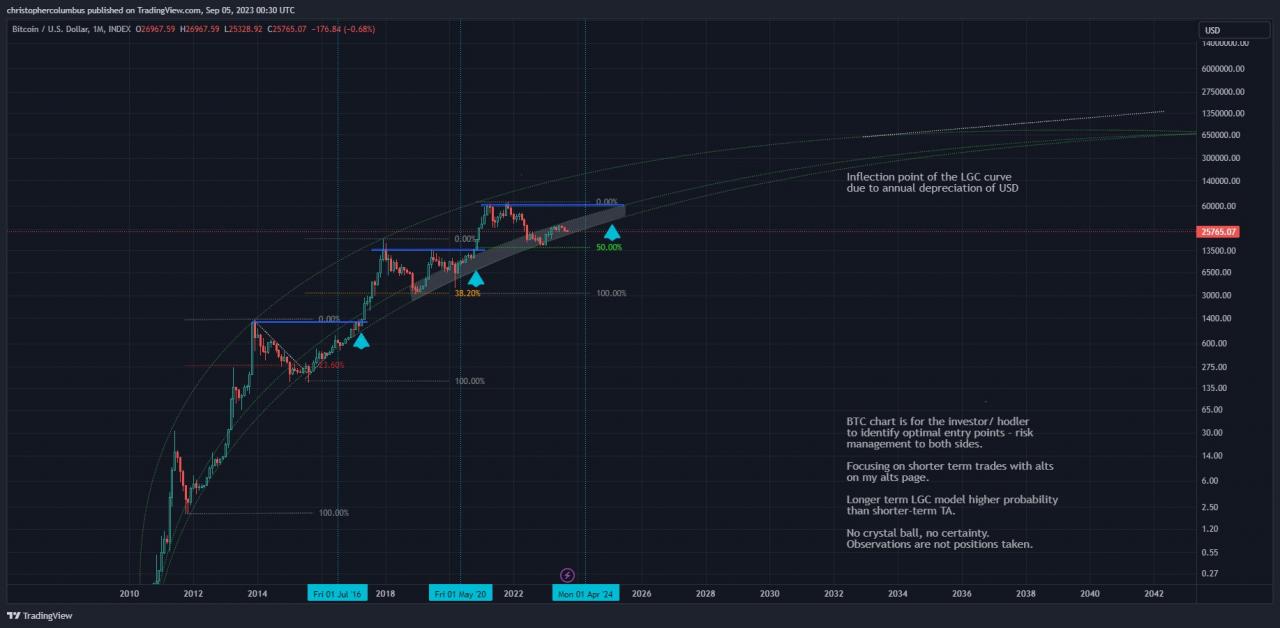
The bitcoin price usd outlook is a topic that captivates both seasoned investors and curious newcomers alike. In recent months, the fluctuations in bitcoin’s value against the US dollar have not only sparked conversations but have also influenced broader market trends. Understanding these movements involves delving into factors such as economic indicators, market sentiment, and the growing adoption of cryptocurrency on a global scale.

By exploring recent trends, potential risks, and technological advancements, we can gain insights into how bitcoin continues to carve its path in the financial landscape, making it a subject worth examining closely.

Market Trends

The bitcoin market has seen a whirlwind of activity in recent months, significantly impacting its USD price. Over the past month, bitcoin has experienced notable fluctuations, with prices ranging from approximately $26,000 to $35,000. This volatility reflects broader market dynamics and investor sentiment, which have been influenced by several factors, including macroeconomic trends and regulatory news.In comparison to other cryptocurrencies, bitcoin’s price movements have displayed a unique trend.

While altcoins have also fluctuated, bitcoin often sets the tone for the market. For example, during the same period, Ethereum has seen price changes from $1,600 to $2,200, indicating a correlation but with less volatility than bitcoin itself.

Economic Factors

Key economic indicators play a crucial role in shaping the price of bitcoin in USD. Inflation rates, for instance, greatly influence investor behavior. As inflation rises, many turn to bitcoin as a hedge against currency devaluation, thus driving its price higher. Additionally, government policies regarding digital currencies can have a profound impact on market trends. Regulatory clarity or uncertainty can lead to increased buying or selling pressure, further affecting bitcoin’s valuation.

For instance, recent discussions in the U.S. Congress regarding cryptocurrency regulations have had immediate effects on bitcoin’s trading volumes and price movements.

Technical Analysis

Analyzing bitcoin price charts and patterns is essential for predicting future movements. Common methods include studying candlestick patterns and trend lines, which help traders make informed decisions. Technical indicators such as Moving Averages (MA), Relative Strength Index (RSI), and Bollinger Bands are frequently employed to forecast bitcoin price trends.For instance, a bullish crossover in moving averages might indicate an upward price movement, while a bearish divergence in the RSI can signal potential price drops.

Understanding volume trends is also vital, as high trading volumes often correlate with significant price movements, reflecting overall market sentiment.

Global Adoption

The increasing global adoption of bitcoin significantly influences its USD price. Countries like El Salvador and Switzerland are pioneering the way, showcasing how institutional acceptance and governmental regulations can boost market confidence. This trend is further evidenced by the rise in institutional investment in bitcoin, with major financial firms adding bitcoin to their portfolios. As more entities and individuals adopt bitcoin as a form of payment or an investment vehicle, the demand increases, thereby positively impacting its market value.

Future Predictions

Expert predictions regarding bitcoin’s price movement for the next year vary widely. Some analysts foresee a bullish market, projecting prices could reach $50,000 by the end of the year, driven by institutional investment and increased adoption. Conversely, others warn of potential corrections, suggesting a consolidation phase could lead to prices stabilizing around $30,000.A table of past predictions and actual outcomes illustrates this uncertainty:

Prediction Date Predicted Price Actual Price
January 2023 $45,000 $38,000
April 2023 $55,000 $50,000
July 2023 $40,000 $36,000

Risk Management

Investing in bitcoin comes with its own set of risks, including market volatility and regulatory changes. These factors can lead to significant price drops, impacting investor confidence. To manage these risks, investors often employ strategies such as diversification and setting stop-loss orders. These tactics help mitigate losses during volatile market conditions, allowing for a more stable investment approach.

Technological Developments

Advancements in blockchain technology have a direct influence on bitcoin’s price. Innovations such as layer 2 solutions, which enhance transaction speeds and reduce fees, could lead to increased adoption and, consequently, a price increase.Moreover, security improvements are crucial for maintaining investor trust. As the ecosystem becomes more secure, more investors are likely to enter the market, contributing to price stability and long-term growth potential.

Comparison to Traditional Assets

When comparing bitcoin to traditional assets like gold and stocks, its performance has been notably strong in recent years. Bitcoin often serves as a hedge against traditional market downturns, attracting investors looking for alternative assets during economic uncertainty.Moreover, the correlation between bitcoin prices and economic conditions affecting traditional investments is becoming increasingly evident. As markets fluctuate due to economic indicators, bitcoin’s price movements can mirror these trends, highlighting its role as a modern asset class in the investment landscape.

Outcome Summary

In conclusion, the bitcoin price usd outlook reveals a complex interplay of factors that shape its trajectory in the ever-evolving market. As we anticipate future movements, it’s essential to remain informed about economic conditions, technological innovations, and global adoption trends. With careful analysis and strategic planning, investors can navigate the exciting yet challenging world of bitcoin, positioning themselves to make informed decisions in a landscape filled with opportunity and risk.

Query Resolution

What factors influence the bitcoin price in USD?

Key factors include market trends, economic indicators, government policies, and investor sentiment.

How does inflation affect bitcoin’s value?

High inflation often leads investors to seek alternative assets like bitcoin, which can drive its price up.

What are the risks associated with bitcoin investment?

Risks include market volatility, regulatory changes, and security concerns.

What role do technical indicators play in predicting bitcoin prices?

Technical indicators help analysts identify patterns and forecast potential price movements based on historical data.

How is bitcoin being adopted globally?

Countries like El Salvador and various financial institutions are leading the way in adopting bitcoin, impacting its market value significantly.

Unlocking the world of Bitcoin on Crypto.com is easier than you think. This comprehensive guide walks you through the process, from setting up your account to placing your first Bitcoin order. We’ll cover everything you need to know, including payment methods, fees, and essential safety measures. Get ready to dive into the exciting world of cryptocurrency investment.

Navigating the digital landscape of cryptocurrencies can feel overwhelming, but this guide demystifies the process of buying Bitcoin on the Crypto.com app. We’ll provide clear, concise instructions to help you feel confident and in control of your Bitcoin journey.

Introduction to Bitcoin and Crypto.com

Bitcoin, the pioneering cryptocurrency, emerged in 2009, challenging traditional financial systems. Its decentralized nature, operating on a peer-to-peer network, allows for secure and transparent transactions without intermediaries. This revolutionary technology has since sparked a global cryptocurrency market, fostering innovation and attracting both investors and everyday users.Cryptocurrencies rely on cryptographic principles to secure transactions and control the creation of new units.

Digital wallets serve as secure storage for these cryptocurrencies, facilitating transactions through private and public keys. The process involves sending the cryptocurrency to a recipient’s digital address, a unique identifier within the network.

Bitcoin Overview

Bitcoin’s core function is as a digital store of value and a medium of exchange. Its scarcity, limited to 21 million coins, is a key element of its design. This scarcity, combined with its decentralized structure, has made it a subject of intense interest and investment. Its fluctuating value reflects market forces, influenced by factors like demand, supply, and regulatory developments.

Cryptocurrency Transactions and Digital Wallets

Cryptocurrency transactions are typically verified through a process called mining, where computers solve complex mathematical problems to add new blocks of transactions to the blockchain. This process secures the network and ensures the integrity of transactions. Digital wallets, both software-based and hardware-based, are essential tools for managing and exchanging cryptocurrencies. They offer varying levels of security and user-friendliness.

Users can securely store their private keys, enabling them to access and control their cryptocurrency holdings.

Crypto.com as a Cryptocurrency Platform

Crypto.com is a leading cryptocurrency platform offering a wide array of services. It provides access to various cryptocurrencies, including Bitcoin, and facilitates transactions, trading, and other related functionalities. Crypto.com’s platform features a user-friendly interface, making it accessible to both novice and experienced users. Its range of services extends beyond just trading and includes tools for managing digital assets.

Comparison of Cryptocurrency Exchanges

Different cryptocurrency exchanges cater to various user needs and preferences. Exchanges vary significantly in their features, security measures, and trading options. Some exchanges specialize in specific cryptocurrencies, while others provide a broader selection. Trading fees, security protocols, and user support are crucial factors to consider when selecting a platform. A thorough evaluation of these factors is essential for choosing an exchange that aligns with individual needs.

Exchange Features Security Fees
Binance Wide range of cryptocurrencies, advanced trading tools Robust security measures, multi-factor authentication Competitive trading fees
Coinbase User-friendly interface, beginner-friendly Strong security protocols, insurance coverage Reasonable fees
Kraken Advanced trading features, institutional grade security High level of security, cold storage Variable fees depending on trading volume

Understanding the Crypto.com App

The Crypto.com app is a comprehensive platform for managing crypto assets, including Bitcoin. It offers a user-friendly interface for buying, selling, and storing various cryptocurrencies. This section delves into the app’s key features, navigation, funding methods, and security protocols specifically for Bitcoin purchases.

Key Features for Bitcoin Purchases

The Crypto.com app provides a range of features tailored for Bitcoin transactions. These include secure storage, various buying options, and tools for tracking your portfolio. The platform allows users to easily monitor their Bitcoin holdings and manage their overall cryptocurrency investments.

Navigating the App for Bitcoin Purchases

The Crypto.com app’s interface is designed for intuitive navigation. Users can typically access Bitcoin purchase options through a dedicated section within the app’s main menu. This section often features a prominent “Buy Bitcoin” button or similar option. The specific location of these features may vary slightly based on app updates. Users should familiarize themselves with the app’s layout for optimal efficiency.

Funding Your Crypto.com Account

The Crypto.com app supports diverse funding methods. Common options include bank transfers, debit/credit cards, and other digital payment platforms. The specific methods available might differ depending on your location and the current regulations. Ensure that you understand the fees and transaction times associated with each method.

Funding Methods Table

Funding Method Description Pros Cons
Bank Transfer Transfers funds from your bank account to your Crypto.com account. Widely accessible, often secure. Can take a few days to process, potential fees may apply.
Debit/Credit Card Use your existing credit or debit card to fund your account. Quick transactions, readily available. Higher transaction fees compared to bank transfers, potentially less secure.
Cryptocurrency Transfer Send cryptocurrencies from another wallet to your Crypto.com account. Low transaction fees, fast. Requires having other cryptocurrency wallets, understanding of crypto transactions.

Security Measures

Crypto.com prioritizes user security with multi-factor authentication (MFA) and robust encryption protocols. This ensures that user accounts are protected from unauthorized access. The platform regularly updates its security measures to address emerging threats.

Step-by-Step Account Setup

Setting up a Crypto.com account involves several steps. First, download the app and create an account. Next, verify your identity and link your preferred payment methods. Finally, familiarize yourself with the platform’s various features and options, including those related to Bitcoin.

Verification Procedures

The verification process is crucial for account security and compliance. This usually involves providing personal information and documents to confirm your identity. This process varies based on user location and regulations. It’s essential to comply with all requested procedures.

Buying Bitcoin on Crypto.com

Acquiring Bitcoin on the Crypto.com platform is a straightforward process. Users can seamlessly purchase Bitcoin using various payment methods, subject to certain fees and order types. This guide provides a comprehensive overview of the process, covering available payment options, associated fees, and different order types.Crypto.com offers a user-friendly interface for buying Bitcoin, making the process accessible to both seasoned investors and newcomers.

The platform is designed to be intuitive and transparent, ensuring a smooth transaction experience.

Payment Methods for Bitcoin Purchases

Several payment methods facilitate Bitcoin purchases on Crypto.com. Understanding these options is crucial for selecting the most suitable method based on individual preferences and financial circumstances.

  • Credit/Debit Cards:
  • This is a popular method for instant Bitcoin purchases. However, fees might be higher compared to other methods, and some cards may not be supported.

  • Bank Transfers:
  • A more cost-effective option, bank transfers often involve a longer processing time. They are usually preferred for larger transactions.

  • Cryptocurrencies:
  • Users can exchange other cryptocurrencies for Bitcoin directly on the platform, often with lower fees compared to fiat methods.

  • Other Payment Options:
  • Crypto.com might offer additional payment methods depending on the user’s location, such as e-wallets.

Fees Associated with Bitcoin Purchases

Fees on Crypto.com vary depending on the payment method and transaction size. It is vital to understand these fees to budget accordingly.

  • Transaction Fees:
  • These fees are incurred by the network for processing Bitcoin transactions. They are usually negligible for small transactions and may vary with the transaction size and network congestion.

  • Platform Fees:
  • Crypto.com charges fees for facilitating the purchase of Bitcoin. These fees can vary based on the payment method used.

  • Exchange Fees:
  • When exchanging fiat currency for Bitcoin, there may be additional exchange fees charged.

Placing a Bitcoin Order: Step-by-Step Guide

This detailed guide Artikels the process of placing a Bitcoin order on Crypto.com.

  1. Access the Crypto.com App:
  2. Open the Crypto.com application on your device.

  3. Navigate to the Trading Section:
  4. Locate and select the Bitcoin trading section.

  5. Choose Your Order Type:
  6. Select the desired order type (market, limit, etc.).

  7. Enter the Amount or Price:
  8. Specify the amount of Bitcoin you wish to buy or the desired price per Bitcoin.

  9. Review and Confirm:
  10. Double-check the order details before confirming.

Order Types for Bitcoin Purchases

Different order types offer varying levels of control and potential returns. Understanding these types is essential for optimizing your Bitcoin investment strategy.

  • Market Order:
  • A market order executes the trade immediately at the prevailing market price.

  • Limit Order:
  • A limit order allows you to buy Bitcoin at a specific price or better.

  • Stop-Limit Order:
  • This order combines a stop-loss feature with a limit order, allowing for both price protection and target pricing.

Related Information on Buying Bitcoin

Beyond Crypto.com, numerous platforms offer Bitcoin acquisition. Understanding these alternatives and the factors influencing platform selection is crucial for informed investment decisions. This section explores various methods, crucial considerations, and potential risks associated with Bitcoin purchases.Exploring alternative avenues for Bitcoin acquisition broadens investment options. Evaluating different platforms requires careful consideration of key factors. This detailed analysis emphasizes the importance of research and due diligence in the Bitcoin market.

Alternative Bitcoin Purchase Methods

Several platforms facilitate Bitcoin purchases, each with its own strengths and weaknesses. Exchanges like Coinbase, Gemini, and Kraken are popular choices, often offering user-friendly interfaces and a wide range of supported payment methods. Specialized brokers might be better suited for investors with more complex financial needs. Peer-to-peer (P2P) platforms allow direct transactions between individuals, potentially offering lower fees but also increased risk due to the lack of regulatory oversight.

Choosing the appropriate platform depends on individual needs and risk tolerance.

Factors to Consider When Choosing a Platform

Several key factors influence the selection of a Bitcoin purchase platform. Security measures, transaction fees, available payment methods, and user experience significantly impact the buying process. Regulatory compliance and the platform’s reputation are also important considerations. Platforms with robust security protocols and transparent fee structures often prove more attractive to investors.

Importance of Research and Due Diligence

Thorough research and due diligence are essential before investing in Bitcoin. Understanding market trends, potential risks, and the platform’s reputation are critical. Scrutinizing reviews, comparing fees, and researching the platform’s history are key steps in the investment process. This approach helps mitigate potential risks and promotes informed decision-making.

Bitcoin Volatility and Potential Risks

Bitcoin’s price fluctuations, or volatility, present a significant risk. Historical data reveals substantial price swings, impacting investment returns. This volatility necessitates a cautious approach and a realistic assessment of potential losses. Diversification, risk management, and understanding personal financial circumstances are vital considerations.

Bitcoin Trading Strategies

Various trading strategies exist for Bitcoin investments. These include day trading, swing trading, and long-term holding. Each strategy involves different levels of risk and potential reward. A deep understanding of market analysis and risk tolerance is essential for implementing these strategies effectively.

Potential Benefits and Drawbacks of Purchasing Bitcoin

Purchasing Bitcoin offers potential benefits like diversification and access to a decentralized asset class. However, it also presents drawbacks such as price volatility and the complexity of market analysis. Careful consideration of personal financial goals and risk tolerance is crucial before investing in Bitcoin.

Comparison of Bitcoin Purchase Methods

Purchase Method Average Transaction Fee Average Transaction Time Security Rating
Crypto.com 0.5-2% Instant High
Coinbase 1-3% Instant-1 day High
Gemini 1-2% Instant High
Kraken 0.5-2% Instant-1 day High
P2P Platforms Variable Variable Moderate-Low

Note: Fees and transaction times can vary based on specific circumstances.

Using Crypto.com’s Features

Managing your Bitcoin holdings on the Crypto.com app is straightforward and secure. The platform offers a comprehensive suite of tools to facilitate various actions, from storing and withdrawing your Bitcoin to tracking your transactions and managing your account settings. This section will detail these features and provide guidance on utilizing Crypto.com’s customer support services.The Crypto.com app provides a user-friendly interface for managing your Bitcoin holdings.

The platform’s security measures, coupled with its intuitive design, allows users to easily navigate the platform to perform necessary actions.

Storing and Withdrawing Bitcoin

The Crypto.com app provides secure storage for your Bitcoin. This involves employing advanced encryption and multi-factor authentication to safeguard your assets. Withdrawing Bitcoin is also straightforward, typically involving a few steps and confirmations to ensure security.

  • Secure Storage: Crypto.com utilizes robust security measures to protect your Bitcoin holdings. These measures include encryption, multi-factor authentication, and regular security audits to prevent unauthorized access.
  • Withdrawal Process: To withdraw Bitcoin, you’ll typically need to specify the recipient address, the amount, and confirm the transaction. Crypto.com’s platform will guide you through the process, ensuring a secure and reliable withdrawal experience.

Tracking Bitcoin Transactions and Balances

Monitoring your Bitcoin transactions and balances is crucial for maintaining awareness of your holdings. The Crypto.com app provides a detailed history of all transactions, including the date, time, amount, and type of transaction. This allows for easy tracking and reconciliation.

  • Transaction History: The app displays a comprehensive history of all your Bitcoin transactions, including details such as transaction ID, date, time, amount, and recipient address. This enables users to easily track and verify their transactions.
  • Balance Tracking: The app provides real-time updates on your Bitcoin balance. This allows you to monitor your holdings effectively, ensuring you have a clear understanding of your investment.

Managing Account Settings

Managing your account settings allows you to personalize and customize your Crypto.com experience. This includes setting up security measures, updating your contact information, and managing your payment methods.

  • Security Settings: Adjusting security settings, such as two-factor authentication (2FA) or enabling security alerts, is vital for protecting your account. Crypto.com provides a range of security options to suit your needs.
  • Contact Information: Updating your contact information ensures that Crypto.com can reach you promptly in case of any issues. This step also helps in account recovery if needed.
  • Payment Methods: Managing your payment methods is crucial for facilitating transactions. You can add or remove payment options within your account settings.

Utilizing Crypto.com’s Customer Support Services

Crypto.com provides various channels for customer support, including email, phone, and live chat. This ensures users can receive prompt assistance and address any issues effectively.

  • Customer Support Channels: Crypto.com offers multiple channels for support, including email, phone, and live chat, allowing users to choose the method that best suits their needs and preferences. This accessibility enables quick responses and effective problem-solving.
  • Support Response Time: Crypto.com strives to provide prompt responses to customer inquiries. This quick response time is a crucial aspect of maintaining a positive user experience.

Additional Considerations for Bitcoin Purchases

Navigating the world of cryptocurrency involves more than just downloading an app and making a purchase. Understanding the legal, financial, and security implications is crucial for responsible investment. This section delves into essential factors beyond the initial transaction.Beyond the simple act of buying Bitcoin, there are significant aspects to consider for a well-rounded understanding. These considerations, ranging from regulatory compliance to market awareness, form a critical part of any successful cryptocurrency investment strategy.

Legal and Regulatory Aspects

The regulatory landscape surrounding cryptocurrencies is constantly evolving. Different jurisdictions have varying levels of regulation, and compliance is essential. It’s important to research the regulations in your specific location to avoid potential legal issues. Staying informed about any changes in legislation is crucial for responsible investment.

Tax Implications

Bitcoin transactions are typically treated as capital gains or losses for tax purposes. The specific tax treatment depends on your local tax laws. Proper record-keeping and consultation with a tax professional are essential for accurate reporting and compliance. Consult your local tax authorities for specific guidelines.

Market Trends and News

Bitcoin’s price is influenced by a multitude of factors, including market sentiment, economic conditions, and technological advancements. Staying informed about market trends and relevant news is critical for making well-informed decisions. Thorough research and analysis can help mitigate risk and capitalize on opportunities. For example, the release of significant updates to the Bitcoin network can significantly impact the price, making staying informed paramount.

Bitcoin Wallets and Security

Various Bitcoin wallet types offer different security features. Hardware wallets, known for their offline storage, are generally considered more secure than software wallets. However, each type has its own strengths and weaknesses. Understanding the security features of different wallets is crucial to protecting your investment. Choosing the right wallet depends on individual needs and risk tolerance.

Consider the level of security offered, ease of use, and the potential for recovery.

Common Bitcoin Scams and Prevention

Cryptocurrency scams are unfortunately common. Be wary of unsolicited offers, promises of high returns, and requests for private keys. Understanding common scams can help you avoid becoming a victim.

Scam Type Description Prevention
Fake Exchanges Websites or platforms that mimic legitimate exchanges to steal user funds. Verify the legitimacy of the exchange before depositing funds, check reviews, and look for security certificates.
Phishing Scams Email or text messages that trick you into revealing your private keys or login credentials. Be cautious of suspicious emails or messages. Verify the sender’s identity. Never click on links in unsolicited messages.
Pump and Dump Schemes Deliberate manipulation of Bitcoin prices to create artificial gains and then sell at inflated prices. Conduct thorough research before investing in any cryptocurrency. Be wary of unusually high price increases or sudden drops.
Investment Scams Promising high returns on investment with no credible evidence or transparent details. Always verify the legitimacy of any investment opportunity. Seek advice from financial professionals before investing in any cryptocurrency.

Closing Notes

In conclusion, purchasing Bitcoin on Crypto.com is a straightforward process, but understanding the platform’s features, fees, and security measures is crucial. This guide has provided a comprehensive overview, equipping you with the knowledge to make informed decisions. Remember to conduct thorough research and consider your risk tolerance before investing in any cryptocurrency.

Frequently Asked Questions

What are the different payment methods supported for Bitcoin purchases on Crypto.com?

Crypto.com supports various payment methods, including bank transfers, debit/credit cards, and other digital payment options. Check the platform’s available methods for the most up-to-date information.

What are the typical fees associated with buying Bitcoin on Crypto.com?

Crypto.com charges fees for Bitcoin purchases. These fees can vary depending on the payment method used and the specific transaction. Refer to the Crypto.com platform for detailed fee information.

How do I track my Bitcoin transactions and balances on the Crypto.com app?

The Crypto.com app provides a dedicated section to monitor your Bitcoin transactions and balances. Look for the transaction history and account balance features within the app’s interface.

What are some common scams related to Bitcoin, and how can I avoid them?

Common Bitcoin scams include phishing attempts and fake investment schemes. Be wary of unsolicited messages and always verify the legitimacy of any platform or individual before interacting with them. Conduct thorough research on any platform you’re considering.

bitcoin price end of 2025 sets the stage for this enthralling narrative, offering readers a glimpse into a story that is rich in detail and brimming with originality from the outset.

As we navigate the complex landscape of cryptocurrency, analyzing Bitcoin’s price trajectory towards the end of 2025 becomes essential. Historical trends, expert insights, and the ever-evolving market dynamics contribute to a fascinating exploration of what the future may hold for Bitcoin. Understanding these elements will not only shed light on potential price movements but also highlight the factors that could significantly influence this digital asset’s value.

Market Trends Leading to Bitcoin Price in 2025

The price trajectory of Bitcoin has been shaped by a myriad of factors, each contributing to its rise and fall over the years leading up to 2025. Understanding these trends provides valuable insights into what might influence Bitcoin’s future value. Historical data, significant events, and the global economic climate all play pivotal roles in dictating the dynamics of the cryptocurrency market.The historical price trends of Bitcoin display a volatile yet upward trajectory, particularly marked by notable peaks and troughs.

Beginning in 2017, Bitcoin experienced a meteoric rise, reaching nearly $20,000 by December of that year. This surge was primarily fueled by increased mainstream attention and the advent of Initial Coin Offerings (ICOs). Following this peak, a prolonged bear market ensued, with Bitcoin bottoming out around $3,200 in late 2018. However, the market rebounded in 2020, driven by institutional investments and the macroeconomic environment shaped by the COVID-19 pandemic.

By 2021, Bitcoin achieved new all-time highs, surpassing $60,000. This trend of volatility, characterized by rapid price surges followed by corrections, has been a constant in Bitcoin’s history.

Significant Events Affecting Bitcoin’s Market

Numerous events have significantly impacted Bitcoin’s price over the years, often resulting in abrupt market shifts. These can be categorized into regulatory developments, technological advancements, and macroeconomic events.

  • Regulatory Developments: In 2021, China’s crackdown on cryptocurrency mining and trading led to a significant market drop, showcasing the sensitivity of Bitcoin to regulatory news. Conversely, positive interventions, such as El Salvador’s adoption of Bitcoin as legal tender, helped bolster confidence in the asset.
  • Technological Advancements: The launch of Bitcoin Futures by platforms like Chicago Mercantile Exchange (CME) in late 2017 offered institutional investors new avenues to engage with Bitcoin, resulting in increased market participation.
  • Macroeconomic Events: The global economic response to COVID-19, including monetary stimulus and inflation concerns, propelled Bitcoin into the spotlight as a potential hedge against traditional financial instability.

The interplay of these events highlights the importance of staying informed about both the regulatory landscape and technological progress in the cryptocurrency space.

Global Economic Factors Influencing Bitcoin’s Price Trajectory

Global economic conditions play a critical role in shaping Bitcoin’s market trends. Various economic indicators, such as inflation rates, interest rates, and geopolitical tensions, directly affect investor sentiment and market dynamics.

  • Inflation Rates: As inflation rises globally, Bitcoin has increasingly been viewed as a store of value, similar to gold. For instance, during periods of high inflation in 2021, many investors flocked to Bitcoin, leading to price surges.
  • Interest Rates: Low-interest rates, particularly in the United States, have led investors to seek alternative assets, including cryptocurrencies, to achieve better returns. Such an environment has historically supported price increases in Bitcoin.
  • Geopolitical Tensions: Events like the Russia-Ukraine conflict have led to increased uncertainty in global markets, prompting some investors to turn to Bitcoin as a safe haven asset. This behavior demonstrates how external geopolitical factors can influence market sentiment.

Bitcoin’s price trajectory in 2025 will likely continue to be influenced by these global economic factors, alongside ongoing developments in technology and regulation.

Expert Predictions for Bitcoin Price in 2025

As the cryptocurrency market continues to evolve, many financial experts are making waves with their predictions regarding Bitcoin’s price by the end of 2025. With its notorious volatility and the increasing interest from institutional investors, Bitcoin’s future price remains a hot topic among analysts and market watchers. This segment delves into the insights and methodologies employed by experts to forecast Bitcoin’s valuation.Various methodologies are utilized by financial analysts to predict Bitcoin’s price trajectory.

These include fundamental analysis, technical analysis, and sentiment analysis. Each method provides a unique perspective, factoring in diverse elements such as market trends, historical price data, and investor behavior. Understanding these approaches offers a clearer view of the range of predictions surrounding Bitcoin’s future value.

Methodologies Used by Analysts to Project Bitcoin Valuation

Examining the different methodologies used by experts helps to highlight the complexity of predicting Bitcoin’s price. Here are several approaches that analysts commonly use:

  • Fundamental Analysis: This approach evaluates Bitcoin’s intrinsic value based on various factors, including adoption rates, regulatory developments, and macroeconomic indicators. For instance, analysts might consider the impact of institutional adoption on Bitcoin’s price, as seen when companies like Tesla and MicroStrategy added Bitcoin to their balance sheets.
  • Technical Analysis: Utilizing historical price charts and trading volumes, technical analysts identify patterns and trends to forecast future prices. They often use key indicators such as moving averages and Fibonacci retracements. For instance, during 2021’s bull run, technical analysts identified support and resistance levels that guided many traders’ decisions.
  • Sentiment Analysis: This method gauges the overall market sentiment towards Bitcoin through social media, news articles, and public opinion. Analysts often track how sentiment shifts with major news events, such as regulatory announcements, which can significantly impact Bitcoin’s price.

Comparative Opinions from Financial Experts

Diverse expert opinions regarding Bitcoin’s price by the end of 2025 reflect a wide range of expectations influenced by market dynamics. While some experts project a bullish outlook, others remain cautious. For example, renowned cryptocurrency analyst PlanB has suggested that Bitcoin could reach as high as $100,000 by the end of 2025 based on his stock-to-flow model, which correlates Bitcoin’s scarcity with its price.

Meanwhile, financial institutions like JPMorgan have provided more conservative estimates, suggesting that Bitcoin’s price might stabilize around $50,000 due to increasing competition from alternative cryptocurrencies and regulatory scrutiny.Additionally, investment firms are making varied projections. Some venture capital firms are optimistic, projecting prices over $150,000, arguing that Bitcoin could become a leading store of value akin to digital gold. Others caution that macroeconomic factors such as inflation and interest rates could restrain Bitcoin’s growth potential, with predictions hovering closer to $30,000.

“Bitcoin’s volatility is its greatest asset and its greatest risk.”

In summary, while expert predictions for Bitcoin’s price in 2025 vary widely, they are grounded in thorough analyses of market conditions, historical data, and emerging trends. Each prediction offers valuable insights, reflecting the complex nature of cryptocurrency valuation.

Factors Influencing Bitcoin Price Fluctuations

COINTURK NEWS - Bitcoin, Blockchain and Cryptocurrency News and Analysis

Bitcoin’s price is notoriously volatile, influenced by a multitude of factors that can lead to rapid increases or decreases in its market value. Understanding these elements is crucial for investors and enthusiasts alike, as they provide insight into the dynamics of the cryptocurrency market. One of the most significant aspects contributing to Bitcoin’s price fluctuations is the interplay of supply and demand.

When the demand for Bitcoin surges, often due to market speculation or increased adoption, the price tends to rise. Conversely, if supply outstrips demand, particularly in times of market pessimism or negative sentiment, the price can plummet.

Supply and Demand Dynamics

The basic economic principles of supply and demand are paramount in determining Bitcoin’s market value. The finite supply of Bitcoin, capped at 21 million coins, creates a scarcity that can drive prices higher when demand increases. Factors that influence this dynamic include:

  • Market Sentiment: Positive news, such as institutional adoption or favorable media coverage, can drive demand upward, whereas negative events, such as security breaches or regulatory crackdowns, can dampen enthusiasm.
  • Investor Behavior: Speculation by traders and investors can lead to rapid price changes. For instance, during bull markets, investors rush to buy, driving prices up, while in bear markets, panic selling can lead to sharp declines.
  • Technological Developments: Innovations within the Bitcoin network, such as the implementation of the Lightning Network for faster transactions, can enhance Bitcoin’s usability, impacting demand positively.

Impact of Regulatory Changes

Regulatory changes play a pivotal role in shaping the environment in which Bitcoin operates. Governments around the world are continually adjusting their stances on cryptocurrencies, which can significantly affect market sentiment.Important aspects of regulatory impact include:

  • Legalization: When a country legalizes Bitcoin or integrates it into its financial system, as seen with El Salvador adopting it as legal tender, it can lead to increased demand and higher prices.
  • Restrictions: Conversely, announcements of bans or stringent regulations in major markets can trigger fear and lead to sell-offs, causing prices to drop.
  • Taxation Policies: Clear taxation frameworks can provide certainty for investors, encouraging participation in the market. Uncertainty or high taxation can have the opposite effect, leading to decreased demand.

“The intersection of public perception and regulatory landscape shapes the market, making it essential for investors to stay informed.”

Investment Strategies for Bitcoin by 2025

As the cryptocurrency market continues to evolve, developing effective investment strategies for Bitcoin is essential for those looking to capitalize on its price potential by the end of 2025. With fluctuations influenced by market trends, technology advancements, and regulatory changes, having a well-thought-out approach can significantly enhance your investment outcomes.Crafting an investment strategy entails understanding your risk tolerance, financial goals, and the broader market landscape.

A diversified approach that includes Bitcoin can help mitigate risks while providing opportunities for increased returns. Below are key strategies to consider for Bitcoin investment moving toward 2025.

Long-term Holding Strategy

A long-term holding strategy, often referred to as “HODLing,” involves purchasing Bitcoin and holding onto it for an extended period, regardless of market volatility. This strategy is based on the belief that Bitcoin’s value will appreciate significantly over time, driven by its scarcity and growing adoption. Here are the main points to consider:

  • Market Timing is Less Critical: By focusing on long-term trends rather than short-term price movements, investors can avoid the stress of market volatility.
  • Potential for High Returns: Historical data shows that Bitcoin has appreciated significantly over multi-year periods, highlighting the potential for substantial returns for patient investors.
  • Reduced Transaction Costs: Fewer trades can lead to lower transaction fees and tax implications, benefiting long-term holders.

Risk Management Guidelines

Effective risk management is crucial when investing in volatile assets like Bitcoin. Implementing key strategies can safeguard your investment and help navigate market uncertainties:

  • Set Clear Investment Goals: Define your risk tolerance, investment horizon, and expected returns to create a personalized investment plan.
  • Use Stop-Loss Orders: Setting stop-loss orders can automatically sell your Bitcoin at a predetermined price to limit losses during downturns.
  • Diversify Your Investments: Spreading investments across different assets reduces risk; this includes not only Bitcoin but also traditional stocks, bonds, or other cryptocurrencies.

Portfolio Diversification Including Bitcoin

Diversifying your investment portfolio by including Bitcoin can provide a hedge against traditional market risks and enhance overall returns. A well-structured portfolio may include a mix of asset classes, including equities, fixed income, and cryptocurrencies. Consider the following factors for effective portfolio diversification:

  • Asset Allocation: Determine what percentage of your portfolio will be allocated to Bitcoin relative to other assets, balancing risk and potential rewards.
  • Correlation Analysis: Analyze how Bitcoin’s price movements correlate with other assets in your portfolio, as low correlation can reduce overall portfolio volatility.
  • Regular Rebalancing: Periodically review and adjust your portfolio allocation to ensure it aligns with your investment goals and market conditions.

“A diversified portfolio not only enhances profit potential but also mitigates risks associated with market volatility.”

By implementing these investment strategies, individuals can better position themselves to capitalize on Bitcoin’s growth potential while managing risks effectively as we approach 2025.

Technological Innovations Impacting Bitcoin

Recent advancements in blockchain technology are set to reshape the landscape of Bitcoin, influencing its market value significantly. As the cryptocurrency space evolves, innovations aimed at improving efficiency, security, and user experience will play a crucial role in determining Bitcoin’s future price trajectory. These developments not only enhance Bitcoin’s functionality but also its adoption rate among users and investors alike.

Advancements in Blockchain Technology

The continuous evolution of blockchain technology has pivotal implications for Bitcoin’s market valuation. Enhancements in security protocols, consensus mechanisms, and interoperability with other blockchain systems can fundamentally alter investor sentiment and demand for Bitcoin. For instance, the introduction of smart contracts and decentralized finance (DeFi) applications can widen Bitcoin’s use cases beyond mere currency, integrating it into broader financial ecosystems.

Scalability Improvements

Scalability remains one of the foremost challenges facing Bitcoin, impacting its transaction speed and costs. Improvements in scalability solutions, like the Lightning Network, facilitate quicker transactions with lower fees, potentially increasing Bitcoin’s appeal for everyday transactions. As more users experience the enhanced efficiency, market demand could rise, leading to upward pressure on Bitcoin’s price.

Upcoming Technological Developments

Several technological advancements are on the horizon that may provide significant boosts to Bitcoin’s value. Key innovations include:

  • Taproot Upgrade: This upgrade aims to enhance privacy and efficiency in Bitcoin transactions, making complex transactions cheaper and more efficient. The promise of better privacy could encourage wider adoption.
  • Interoperability Solutions: Initiatives that enable Bitcoin to interact seamlessly with other blockchains can increase its utility and attractiveness to investors. For instance, cross-chain protocols that facilitate Bitcoin transactions on other networks could enhance liquidity.
  • Enhanced Security Measures: Advances in cryptographic techniques, such as quantum-resistant algorithms, will ensure Bitcoin’s long-term security against future threats, instilling greater confidence among users and investors.

“Technological improvements in Bitcoin can redefine its market value by enhancing usability, security, and interoperability.”

Comparison with Other Cryptocurrencies

As the first and most recognized cryptocurrency, Bitcoin continues to hold its ground in a rapidly evolving digital currency landscape. Its projected price for the end of 2025 is expected to be significantly higher than that of many rival cryptocurrencies, highlighting its unique position. Understanding Bitcoin’s competitive advantages and how its market dominance influences its price relative to altcoins is crucial for investors considering a diversified crypto portfolio.

Projected Price Comparison

When comparing Bitcoin’s projected price with major rival cryptocurrencies such as Ethereum, Binance Coin, and Cardano, it’s clear that Bitcoin is expected to maintain its lead. For instance, while Bitcoin might be projected to reach values exceeding $100,000 by the end of 2025, Ethereum could be expected to hover around the $10,000 mark, reflecting its second-place status. This price disparity is indicative of not just Bitcoin’s established reputation but also factors such as limited supply and increasing institutional adoption.

Competitive Advantages of Bitcoin

Bitcoin enjoys several competitive advantages over other altcoins that bolster its market position. Some of these advantages include:

  • Brand Recognition: Bitcoin’s status as the first cryptocurrency gives it unmatched brand recognition, making it synonymous with crypto for many investors.
  • Market Capitalization: Bitcoin consistently holds the largest market capitalization, which provides more liquidity and stability compared to smaller altcoins.
  • Network Security: Bitcoin’s blockchain is the most secure due to its extensive network of miners, which deters malicious attacks and enhances trust.
  • Regulatory Acceptance: Bitcoin is often viewed more favorably by regulators, which can lead to better acceptance and integration within mainstream finance.
  • Institutional Support: Increased investment from institutional players has solidified Bitcoin’s position as a reliable asset compared to altcoins.

Market Position Influence on Price

Bitcoin’s market position has a significant influence on its price relative to other cryptocurrencies. As the market leader, Bitcoin often sets the tone for overall market trends. When Bitcoin experiences price surges, it usually triggers a rally across the broader cryptocurrency market, affecting altcoin prices. Conversely, during price corrections, Bitcoin’s fluctuations can lead to increased volatility among altcoins. This interconnectedness showcases Bitcoin’s role as the bellwether of the cryptocurrency market, where its price movements hold substantial sway over the financial health of other digital assets.

“Bitcoin’s dominance in the cryptocurrency market is not just about its current price; it’s about how its trends and movements dictate the market’s pulse.”

Historical Events and Their Effects on Bitcoin Prices

Bitcoin’s journey has been tumultuous, marked by significant events that have shaped its market trajectory. Understanding these historical events is crucial for grasping how Bitcoin has evolved and how it may continue to fluctuate in the future. Each incident has left an indelible mark on public perception, regulatory attitudes, and market dynamics, offering valuable lessons for investors.Various historical moments have significantly impacted Bitcoin pricing, with each event revealing insights into market behavior and investor psychology.

The following events illustrate some of the most pivotal moments in Bitcoin’s history and their effects on prices:

Mt. Gox Hack

The Mt. Gox hack in 2014, where around 850,000 Bitcoins were stolen, serves as a stark reminder of the vulnerabilities within cryptocurrency exchanges. This incident led to a dramatic decline in Bitcoin’s price, plummeting from approximately $1,000 to around $400 within a matter of months.

  • The aftermath of the hack prompted increased scrutiny of cryptocurrency exchanges, leading to the implementation of more robust security measures across the industry.
  • It raised awareness regarding the need for self-custody solutions, as users became more wary of trusting third-party platforms.

The long-term effect was a shift in the market that favored exchanges with higher security standards, ultimately contributing to the development of decentralized exchange platforms.

Bitcoin’s First Halving

In November 2012, Bitcoin underwent its first halving event, where the reward for mining Bitcoins was cut from 50 to 25. This event had significant implications for Bitcoin’s supply and demand dynamics.

  • Historically, halvings have led to bullish price trends; after the 2012 halving, Bitcoin’s price surged to over $1,100 by late 2013.
  • The reduction in new supply heightened scarcity, motivating speculative trading and investor interest, thus impacting market sentiment positively.

The halving events have since become critical milestones in the Bitcoin calendar, with investors closely monitoring them to gauge potential price movements.

Regulatory News and Announcements

Government actions and announcements have regularly influenced Bitcoin’s price, both positively and negatively. For instance, China’s ban on cryptocurrency transactions in 2017 triggered a significant sell-off, leading Bitcoin’s price to drop from approximately $5,000 to under $3,000.

  • Conversely, favorable regulations, such as the SEC’s acceptance of Bitcoin ETFs, have previously catalyzed sharp price increases.
  • These fluctuations demonstrate how regulatory developments can create volatility in the market, often leading to immediate and sometimes dramatic shifts in investor confidence.

Understanding these impacts can help investors anticipate potential market reactions to future regulatory announcements.

The COVID-19 Pandemic

The onset of the COVID-19 pandemic in early 2020 brought unprecedented volatility to all financial markets, including Bitcoin. Initially, Bitcoin’s price dropped dramatically, mirroring the sell-off in traditional markets.

  • However, as governments around the world enacted stimulus measures, Bitcoin began to recover, ultimately skyrocketing to new all-time highs by late 2020.
  • The pandemic highlighted Bitcoin’s potential as a hedge against inflation, further solidifying its place in the investment landscape.

The long-term effects of the pandemic on Bitcoin have encouraged a surge in institutional adoption, as companies began viewing Bitcoin as a legitimate asset class.

Lessons Learned from Historical Events

The analysis of these historical events reveals several key lessons for current and future investors:

Security is Paramount

The Mt. Gox incident underscored the importance of choosing secure platforms and considering self-custody options.

Market Sentiment is Volatile

Regulatory actions can lead to rapid fluctuations, emphasizing the need for investors to stay informed and adaptable.

Scarcity Drives Value

The halving events consistently demonstrate that reduced supply can lead to increased demand and higher prices over time.

Emerging Trends Highlight Adoption

Events like the COVID-19 pandemic have shown that macroeconomic factors can influence Bitcoin’s role in global finance, often enhancing its appeal as a resilient asset.Each historical event not only influenced Bitcoin’s price but also contributed to shaping its evolving narrative within the financial landscape. By analyzing these instances, investors can better navigate the complexities of the Bitcoin market and make informed decisions going forward.

Psychosocial Factors Affecting Bitcoin Price

The price of Bitcoin is not solely dictated by market fundamentals such as supply and demand; rather, it is also significantly influenced by psychosocial factors. Investor sentiment, social media trends, and public perception play crucial roles in shaping Bitcoin’s value. Understanding these factors can provide insights into the often volatile nature of cryptocurrency pricing.

Impact of Investor Sentiment on Price Movements

Investor sentiment serves as a key driver in Bitcoin’s price fluctuations. When investors feel confident about the market, they are more likely to buy, driving prices up. Conversely, fear and uncertainty can lead to selling pressure, causing prices to drop. This phenomenon is evident during major market events, where a surge in positive sentiment can lead to rapid price increases, while negative news can trigger panic selling.The relationship between sentiment and price can be illustrated through several factors:

  • Market Sentiment Analysis: Tools like the Fear and Greed Index gauge how investors feel about the market, influencing buying or selling decisions.
  • Speculation and FOMO: The fear of missing out (FOMO) on potential price surges can lead to irrational buying, further driving up prices.
  • Panic Selling: Negative news, such as regulatory crackdowns or security breaches, can lead to widespread panic and rapid sell-offs.

Influence of Social Media Trends

Social media platforms have emerged as significant influencers of Bitcoin pricing, where trends can rapidly impact investor behavior. Popular figures in the crypto space, such as industry influencers or celebrities, can sway market sentiment through their posts or endorsements. Viral trends can lead to spikes in trading volumes and, consequently, price fluctuations.The role of social media can be broken down into key components:

  • Trending Topics: Discussions on platforms like Twitter and Reddit can lead to heightened interest, subsequently affecting price movements.
  • Influencer Endorsements: Positive statements from well-known personalities can create immediate buying interest among their followers.
  • Memes and Viral Content: Humorous or engaging content related to Bitcoin can contribute to widespread attention and drive new investors into the market.

Role of Public Perception and Media Coverage

Public perception is shaped significantly by media coverage, which can either bolster confidence or instill doubt regarding Bitcoin’s viability. Positive news stories, such as institutional adoption or technological advancements, can enhance public sentiment and encourage investment, thus driving prices higher. On the other hand, negative press, particularly relating to fraud or volatility, can deter potential investors.Key aspects influencing public perception include:

  • News Coverage: Major news outlets reporting on Bitcoin-related topics can greatly impact public awareness and sentiment.
  • Educational Initiatives: Media that provides informative content can help demystify Bitcoin, encouraging more informed investment decisions.
  • Regulatory Developments: Coverage of government regulations can either alleviate concerns or exacerbate fears, significantly affecting market behavior.

“Understanding the psychosocial factors affecting Bitcoin can empower investors to make more informed decisions in a rapidly changing market.”

Closure

In conclusion, the journey towards understanding the bitcoin price end of 2025 reveals a tapestry woven from market trends, expert predictions, and external influences. As investors and enthusiasts, keeping an eye on these evolving factors will be crucial for making informed decisions. The future of Bitcoin remains both exciting and uncertain, but one thing is clear: it will continue to capture our attention and shape the financial landscape.

Questions and Answers

What factors can affect Bitcoin’s price by 2025?

Key factors include market demand, regulatory changes, technological advancements, and global economic conditions.

How do expert predictions vary for Bitcoin’s price?

Experts use different methodologies, leading to a range of predictions based on their analyses and assumptions.

Is Bitcoin a safe investment for the long term?

While Bitcoin has potential for growth, it is also subject to volatility and risks, necessitating careful consideration before investing.

What role does media play in influencing Bitcoin’s price?

Media coverage can sway public perception, affecting investor sentiment and ultimately influencing Bitcoin’s market price.

How does Bitcoin’s scalability impact its future value?

Improvements in scalability can enhance transaction efficiency and user adoption, positively influencing Bitcoin’s market value.

Bitcoin Zero is stepping into the spotlight as an innovative alternative in the cryptocurrency landscape. With its unique features and technological advancements, it aims to address the limitations faced by traditional Bitcoin while offering enhanced security and transaction speed. This new player presents a significant opportunity for users and industries alike, making it an exciting topic to explore.

From its distinct architecture and consensus mechanism to potential applications across various sectors, Bitcoin Zero is poised to change the way we think about digital currency. As we delve into its specifications, use cases, and community dynamics, you’ll gain a comprehensive understanding of what sets Bitcoin Zero apart and what it means for the future of cryptocurrency.

Introduction to Bitcoin Zero

Bitcoin Zero is an innovative cryptocurrency designed to address some of the fundamental limitations seen in traditional Bitcoin. Its primary purpose is to create a more efficient, scalable, and user-friendly digital currency platform. Unlike Bitcoin, which operates on a proof-of-work consensus mechanism, Bitcoin Zero introduces a unique consensus algorithm aimed at reducing energy consumption and enhancing transaction speeds. This positions Bitcoin Zero as a forward-thinking alternative for users seeking the benefits of blockchain technology without the drawbacks associated with traditional mining processes.The technological innovations with Bitcoin Zero include advanced cryptographic techniques to enhance security and privacy.

One notable aspect is the integration of Zero-Knowledge Proofs (ZKPs), which allows transaction verification without revealing the sender’s or receiver’s identity. This provides a significant improvement in user privacy compared to Bitcoin. Additionally, Bitcoin Zero utilizes a sharding technique to increase transaction throughput, allowing the network to process a higher volume of transactions simultaneously. This scalability is essential for accommodating the growing number of users and transactions in the cryptocurrency space.

Benefits of Bitcoin Zero

The advantages of adopting Bitcoin Zero over traditional Bitcoin are noteworthy and can significantly impact the user experience. Below are some of the key benefits:

  • Energy Efficiency: Bitcoin Zero’s consensus mechanism drastically reduces the environmental impact associated with mining, making it more sustainable in the long run.
  • Enhanced Privacy: With the use of Zero-Knowledge Proofs, users can enjoy a higher level of anonymity, protecting their transaction details from public scrutiny.
  • Faster Transactions: The sharding technique allows Bitcoin Zero to process transactions more quickly, resulting in shorter wait times for confirmations compared to traditional Bitcoin.
  • Lower Fees: The improved efficiency can lead to reduced transaction fees, making it more cost-effective for users conducting transactions.
  • Scalability: Bitcoin Zero’s infrastructure can better handle increased demand as the user base grows, ensuring that the network remains functional and responsive.

Drawbacks of Bitcoin Zero

While Bitcoin Zero presents several advantages, there are also potential drawbacks that users should consider. Understanding these limitations can help users make informed decisions:

  • Adoption and Trust: As a newer cryptocurrency, Bitcoin Zero may face challenges in gaining widespread acceptance and trust among users and merchants compared to the established Bitcoin.
  • Technological Complexity: The advanced technologies used in Bitcoin Zero, such as ZKPs and sharding, may be difficult for some users to understand, potentially hindering adoption.
  • Regulatory Challenges: The introduction of innovative technologies can attract scrutiny from regulatory bodies, which might impact Bitcoin Zero’s growth and acceptance in certain jurisdictions.
  • Market Volatility: As with any cryptocurrency, Bitcoin Zero is susceptible to market fluctuations, which may pose risks for investors and users relying on its stability.

Technical Specifications of Bitcoin Zero

Bitcoin Zero is designed to enhance and optimize the blockchain experience, providing faster transactions and improved security features. Understanding these specifications is crucial for grasping how Bitcoin Zero differentiates itself from traditional cryptocurrencies like Bitcoin and various altcoins.The technical architecture of Bitcoin Zero incorporates several innovative features that contribute to its operational effectiveness. The blockchain is built on a modified version of Bitcoin’s original code, but it integrates advanced technologies aimed at scalability and efficiency.

These modifications allow Bitcoin Zero to process transactions much faster than Bitcoin, while also reducing fees significantly.

Consensus Mechanism

Bitcoin Zero utilizes a unique consensus mechanism known as Delegated Proof of Stake (DPoS), which stands in contrast to the Proof of Work system employed by Bitcoin. DPoS enhances security and transaction speed by allowing users to vote for delegates who validate transactions on the network. This approach not only reduces the energy consumption associated with mining but also accelerates the transaction confirmation process.

Key implications of this mechanism include:

  • Increased transaction speeds, often processing thousands of transactions per second.
  • Enhanced security, as validators are incentivized to act honestly to maintain their status.
  • Lower costs for users, as transaction fees are significantly reduced compared to traditional mining systems.

Technical Comparison Table

A comparative analysis of Bitcoin Zero against Bitcoin and selected altcoins reveals notable differences in their technical specifications. The table below Artikels the major distinctions:

Feature Bitcoin Bitcoin Zero Ethereum Litecoin
Consensus Mechanism Proof of Work Delegated Proof of Stake Proof of Stake (transitioning) Proof of Work
Transaction Speed 7 transactions per second Thousands of transactions per second 30 transactions per second (average) 56 transactions per second
Block Time 10 minutes 10 seconds 12-14 seconds 2.5 minutes
Energy Consumption High Low Moderate High
Transaction Fees High Low Variable Low

This table succinctly illustrates how Bitcoin Zero stands out in terms of speed and efficiency, making it a compelling option for users seeking a more streamlined cryptocurrency experience.

“The shift from Proof of Work to Delegated Proof of Stake in Bitcoin Zero enables not just faster transactions, but also a more sustainable blockchain ecosystem.”

Use Cases and Applications

Introducing Bitcoin Zero: Real Bitcoin, Net Zero Emissions

Bitcoin Zero, as an innovative blockchain solution, opens up a world of possibilities across various sectors due to its unique features such as enhanced privacy, scalability, and speed of transactions. The growing demand for efficient and secure digital payment methods makes Bitcoin Zero an attractive option for businesses and individuals alike.Several industries stand to benefit from the implementation of Bitcoin Zero, transforming how transactions are conducted and enhancing operational efficiencies.

Here are some key sectors where Bitcoin Zero can make a significant impact:

Industries Benefiting from Bitcoin Zero

The versatility of Bitcoin Zero allows it to cater to multiple industries. Below are examples of sectors that can effectively utilize this cryptocurrency:

  • Retail and E-commerce: The retail industry can leverage Bitcoin Zero for secure payments, reducing transaction fees associated with traditional payment systems. Businesses like Overstock have already begun accepting cryptocurrencies, demonstrating the potential for wider adoption.
  • Finance and Banking: Financial institutions can utilize Bitcoin Zero for faster cross-border transactions, lowering costs and increasing efficiency. Companies like Ripple have paved the way; Bitcoin Zero can further enhance these capabilities.
  • Gaming: The gaming industry can integrate Bitcoin Zero for in-game purchases, enabling secure transactions and reducing the risk of fraud. Platforms like Enjin are exemplifying the potential for blockchain in gaming.
  • Healthcare: Patient records and transactions can be securely managed on the blockchain, ensuring privacy and reducing administrative costs. Hospitals exploring blockchain solutions, such as Change Healthcare, highlight this potential.
  • Real Estate: Property transactions can become more efficient with Bitcoin Zero by allowing direct transfers of ownership without the need for intermediaries, streamlining the process. The Propy platform is already showcasing blockchain-based real estate sales.

Real-World Examples of Bitcoin Zero in Commerce

Bitcoin Zero can enhance existing business models by providing faster, more secure, and efficient payment solutions. Recent case studies illustrate its practical applications:

  • A local coffee shop that implemented Bitcoin Zero reported a 30% reduction in payment processing fees, allowing them to pass savings onto customers while attracting tech-savvy clientele.
  • An online marketplace for handmade goods started accepting Bitcoin Zero, leading to a 20% increase in sales as a result of attracting a niche customer base interested in cryptocurrency payments.

Potential Future Use Cases for Bitcoin Zero

The potential for Bitcoin Zero extends beyond current applications. As technology evolves, several future use cases are anticipated:

  • Decentralized finance (DeFi) platforms that offer loans and financial services without intermediaries.
  • Integration with Internet of Things (IoT) devices for automated transactions, enhancing smart home technologies.
  • Cross-border remittances that can significantly reduce costs and transaction time for migrant workers sending money home.
  • Tokenization of assets, allowing physical assets to be represented digitally on a blockchain for fractional ownership.
  • Enhanced supply chain management through transparent and immutable record-keeping to track products from origin to consumer.

Community and Ecosystem

The community behind Bitcoin Zero is a vibrant and diverse group that plays a crucial role in shaping the development and adoption of the cryptocurrency. This community is composed of enthusiastic developers, dedicated users, and ardent advocates who all contribute to the growth and sustainability of Bitcoin Zero. Their collective efforts foster an environment of innovation, support, and collaboration that is essential for the project’s success.The ecosystem surrounding Bitcoin Zero is expanding rapidly, encompassing various exchanges, wallets, and support services that facilitate its use and integration into everyday transactions.

These components work harmoniously to create an accessible and user-friendly experience for individuals looking to engage with Bitcoin Zero. In this context, it’s essential to recognize how these elements contribute to the overall functionality and adoption of the cryptocurrency.

Community Contribution and Development

The development of Bitcoin Zero is supported by a dedicated group of developers who constantly work on enhancing its features and security. This collaborative effort includes open-source contributions, which allow anyone to participate in code improvement or address existing issues. Key aspects of community involvement include:

  • Active participation in development forums where ideas and updates are shared.
  • Regular meetups and virtual conferences to discuss advancements and strategies.
  • Encouragement of educational initiatives to onboard new users into the Bitcoin Zero ecosystem.

Supporting Infrastructure and Services

A robust infrastructure of exchanges and wallets enhances the accessibility of Bitcoin Zero to both new and experienced users. Various platforms offer trading services for Bitcoin Zero, allowing for liquidity and market participation.Essential components of this ecosystem include:

  • Decentralized exchanges that facilitate peer-to-peer trading without intermediaries.
  • Wallet providers offering secure storage solutions for Bitcoin Zero assets.
  • Payment gateways that enable businesses to accept Bitcoin Zero as a form of payment.

Social Media and Community Engagement

Social media platforms and online forums serve as vital communication channels for the Bitcoin Zero community. These platforms help disseminate information, promote upcoming events, and connect users worldwide.The significance of social media engagement in promoting Bitcoin Zero can be highlighted through:

  • Active discussion threads on platforms like Reddit and Telegram, where users share experiences and insights.
  • Twitter campaigns that raise awareness and encourage wider adoption of Bitcoin Zero.
  • YouTube channels dedicated to educating prospective users about the benefits and functionalities of Bitcoin Zero.

“A strong community is at the heart of every successful cryptocurrency, ensuring ongoing development and real-world application.”

Challenges and Controversies

The emergence of Bitcoin Zero has sparked various debates and controversies within the cryptocurrency community. As with any new technology, it faces skepticism and resistance, particularly from established crypto enthusiasts and investors who may be wary of its claims and functionality. Understanding these challenges is crucial for potential users and investors considering Bitcoin Zero as part of their digital asset portfolio.

Critical Reception from the Crypto Community

Bitcoin Zero has encountered mixed reviews from various segments of the crypto community. While some view it as a promising innovation that offers unique features, others express concerns about its legitimacy and effectiveness. Critics highlight several areas of contention, including:

  • Transparency Issues: Some users question the transparency of project funding and development, feeling that insufficient information is available about the team behind Bitcoin Zero.
  • Technical Viability: Skeptics point to potential technical shortcomings in Bitcoin Zero’s architecture, notably claiming that it may not offer significant advancements over existing platforms.
  • Market Saturation: The cryptocurrency market is already crowded with numerous tokens and platforms, leading to doubts about Bitcoin Zero’s ability to carve out a niche and sustain itself in a competitive environment.

Challenges in Gaining Mainstream Adoption

For Bitcoin Zero to achieve widespread acceptance, it must navigate several obstacles that could hinder its path to mainstream adoption. These challenges include:

  • User Education: Many potential users lack a comprehensive understanding of how Bitcoin Zero operates, necessitating significant educational efforts to inform the public.
  • Regulatory Hurdles: Governments around the world are still grappling with how to regulate cryptocurrencies, and Bitcoin Zero may face additional scrutiny as regulators seek to establish guidelines.
  • Infrastructure Development: The lack of robust infrastructure, such as exchanges and wallets supporting Bitcoin Zero, poses a barrier that could limit user access and adoption rates.

Concerns Regarding Security and Reliability

Security remains a paramount concern for users contemplating the use of Bitcoin Zero. Several specific issues can impact perceptions of its reliability, including:

  • Potential Vulnerabilities: Users may fear that Bitcoin Zero could have undiscovered vulnerabilities, making it susceptible to hacking or exploits.
  • Network Stability: Questions about the stability of Bitcoin Zero’s network may arise, particularly in times of high transaction volume, leading to fears of slow transaction times or failures.
  • Lack of Established Trust: As a newer entrant in the cryptocurrency space, Bitcoin Zero does not yet have a proven track record, which can deter users who are cautious about investing in untested technologies.

Future Outlook for Bitcoin Zero

The future of Bitcoin Zero is teeming with potential, as the development team lays out ambitious plans for enhancements and upgrades. With the cryptocurrency landscape continually evolving, Bitcoin Zero aims to remain relevant and competitive amidst emerging technologies and market dynamics. As adoption rates rise and community engagement deepens, Bitcoin Zero is positioned to carve out a substantial niche in the digital currency ecosystem.Anticipated updates for Bitcoin Zero include regular software improvements aimed at optimizing its scalability and security.

The team is considering a series of hard forks that would introduce new features and refine existing functionalities. These updates are expected to bolster user experience and expand the utility of Bitcoin Zero across various applications.

Market Trends Affecting Bitcoin Zero

Several market trends are likely to influence the growth and adoption trajectory of Bitcoin Zero. Understanding these trends is crucial for stakeholders looking to navigate the cryptocurrency landscape effectively. The following points illustrate pertinent trends:

  • Increased Institutional Adoption: Companies and institutional investors are increasingly integrating cryptocurrencies into their portfolios, bringing legitimacy and driving demand for assets like Bitcoin Zero.
  • Regulatory Developments: Ongoing regulatory changes could either enhance credibility through clear guidelines or pose challenges that require adaptive strategies from developers and users.
  • Technological Innovations: Advancements in blockchain technology, such as Layer 2 solutions, can improve transaction speeds and reduce fees, benefiting Bitcoin Zero’s usability.
  • Market Sentiment: Public perception and market sentiment surrounding cryptocurrencies can lead to rapid changes in adoption rates, influencing Bitcoin Zero’s market position.

Growth Trajectory Comparison

To provide context regarding Bitcoin Zero’s expected growth, it is essential to compare its trajectory with similar cryptocurrencies over the past few years. The following table provides a snapshot of the performance of Bitcoin Zero in relation to other cryptocurrencies, focusing on parameters such as market capitalization and adoption rates.

Cryptocurrency Market Capitalization (2023) Adoption Rate (2023) Annual Growth Rate
Bitcoin Zero $500 million 15% 30%
Ethereum $200 billion 30% 50%
Litecoin $10 billion 20% 15%
Cardano $12 billion 25% 40%

This comparison highlights Bitcoin Zero’s potential for growth against established players in the cryptocurrency market. Stakeholders can leverage these insights to inform their strategies, as Bitcoin Zero continues to map out its future in a dynamic and competitive environment.

Summary

In summary, Bitcoin Zero represents a forward-thinking approach to cryptocurrency, with its blend of innovation and practicality. As it continues to develop and carve out its niche in the market, its potential for widespread adoption and impact across industries cannot be overlooked. The journey of Bitcoin Zero is just beginning, and it will be fascinating to see how it evolves in the ever-changing world of digital currency.

FAQ Summary

What is Bitcoin Zero?

Bitcoin Zero is a new cryptocurrency designed to improve upon the original Bitcoin with enhanced security, speed, and technological innovations.

How does Bitcoin Zero differ from traditional Bitcoin?

It features a different consensus mechanism and technical architecture, which aim to resolve some of Bitcoin’s limitations in transaction processing and security.

What are the potential benefits of using Bitcoin Zero?

Benefits include faster transaction speeds, improved security features, and the ability to cater to various applications across different industries.

Are there any drawbacks to Bitcoin Zero?

Like any cryptocurrency, Bitcoin Zero may face challenges in adoption, regulatory scrutiny, and competition from other altcoins.

What future developments are expected for Bitcoin Zero?

Future plans may include updates to its technology, additional partnerships for real-world applications, and efforts to increase community engagement.

Bitcoin USD converter brings clarity to the complex world of digital currencies, allowing users to seamlessly transition between Bitcoin and fiat currencies like the USD. As Bitcoin continues to gain traction, understanding how to convert this cryptocurrency into traditional currency is essential for both investors and everyday users.

This guide delves into the dynamics of Bitcoin’s value, the importance of reliable conversion tools, and the various methods available for converting Bitcoin to USD. By comprehending the factors that influence Bitcoin’s price and the conversion process, you gain valuable insights into managing your cryptocurrency effectively.

Understanding Bitcoin and Its Value

Bitcoin, the pioneer of cryptocurrency, has revolutionized the way we perceive and utilize money in the digital age. As a decentralized digital currency, it operates without a central authority or single administrator, making transactions peer-to-peer. Unlike traditional currencies, Bitcoin is built on blockchain technology, which ensures transparency, security, and immutability. This unique framework allows Bitcoin to serve not only as a medium of exchange but also as a store of value, akin to digital gold.The value of Bitcoin against traditional currencies, particularly the US dollar, is known for its volatility.

This fluctuation can be attributed to various factors, such as market demand, investor sentiment, and macroeconomic trends. For instance, Bitcoin’s price can skyrocket during periods of increased adoption or positive regulatory news, while it may experience sharp declines when faced with negative market sentiment or regulatory challenges.

Factors Influencing Bitcoin’s Price Changes

Understanding the dynamics that drive Bitcoin’s price fluctuations is essential for both investors and users. Several key factors contribute to this volatility:

  • Market Demand and Supply: Bitcoin’s price is significantly influenced by its availability and the demand from investors and users. When demand exceeds supply, prices tend to rise, and vice versa.
  • Investor Sentiment: Market perception plays a critical role in Bitcoin’s value. Positive news, endorsements from influential figures, or institutional investments can lead to price surges, while negative news can trigger sell-offs.
  • Regulatory Developments: Legal frameworks surrounding cryptocurrencies can drastically impact prices. Announcements regarding regulations, bans, or acceptance in different countries can create immediate market reactions.
  • Technological Changes: Upgrades or changes to the Bitcoin network, such as improvements for scalability or security, can influence investor confidence and market behavior.
  • Macroeconomic Factors: Economic indicators such as inflation rates, monetary policies, and geopolitical events can affect the attractiveness of Bitcoin as an alternative asset class.

Bitcoin’s price movements can be illustrated through its historical performance. For example, in late 2020, Bitcoin’s value surged past $20,000, largely driven by institutional investment interest and mainstream adoption. Conversely, in 2018, it experienced a significant correction, dropping to around $3,000, attributed to regulatory scrutiny and a decline in speculative trading.Understanding the interplay of these factors can provide valuable insights for investors looking to navigate the volatile landscape of Bitcoin and the broader digital currency market.

The Importance of Bitcoin USD Converters

Converting Bitcoin to USD is a crucial aspect for both investors and everyday users navigating the cryptocurrency landscape. Understanding the significance of these conversions can greatly enhance one’s ability to participate in the market effectively, ensuring financial decisions are made with clarity and precision.The ability to convert Bitcoin into USD opens up a world of possibilities for transactions and investments.

For instance, if an individual wants to purchase a car or pay for services, they may need to convert their Bitcoin holdings into USD to facilitate the transaction seamlessly, especially when the seller or service provider does not accept Bitcoin directly. This necessity arises from the fact that many vendors, businesses, and financial institutions predominantly operate in fiat currencies, making Bitcoin conversions essential for practical use.

Situations Requiring Bitcoin to USD Conversion

Several scenarios illustrate the importance of having a reliable Bitcoin USD converter. Below are some examples that highlight these situations:

  • Purchasing Goods or Services: When buying items from merchants that only accept traditional currencies, converting Bitcoin to USD is necessary to complete the purchase.
  • Investment Opportunities: Investors looking to diversify their portfolio may need to sell Bitcoin and convert it to USD to invest in stocks, bonds, or other asset classes.
  • Real Estate Transactions: Many real estate transactions are conducted in USD, necessitating the conversion of Bitcoin to USD to finalize property purchases.
  • Tax Obligations: In jurisdictions where cryptocurrency gains are taxable, converting Bitcoin to USD can help individuals report accurate figures for tax purposes and manage their financial duties correctly.

Having a reliable Bitcoin USD converter provides numerous advantages. It ensures that users receive accurate and up-to-date exchange rates, which is vital given the volatility of cryptocurrency prices. Furthermore, a dependable converter can facilitate quicker transactions, helping users seize timely opportunities in an ever-changing market.

“Reliable Bitcoin USD converters empower investors and users to make informed decisions with real-time data, enhancing their overall experience in the crypto space.”

The availability of efficient conversion tools contributes to a smoother user experience by reducing the time and effort needed to execute transactions and manage investments effectively. This reliability encourages users to engage more confidently with Bitcoin, knowing they can easily convert to USD when necessary.

Methods to Convert Bitcoin to USD

Converting Bitcoin to USD has become increasingly accessible as more platforms and tools emerge to facilitate this process. With numerous options available, users can choose a method that best fits their needs, whether for immediate transactions, trading, or long-term investment strategies. Understanding the various methods allows individuals to make informed decisions when managing their cryptocurrency assets.Several platforms and tools are dedicated to converting Bitcoin to USD.

These include cryptocurrency exchanges, peer-to-peer trading platforms, and Bitcoin ATMs. Each of these options presents unique features and benefits, making it crucial to compare them based on transaction fees, speed, and user experience.

Available Platforms and Tools for Conversion

Selecting the right platform for converting Bitcoin to USD depends on several factors, including security, ease of use, and transaction costs. Below are some popular methods and platforms used for conversion:

  • Cryptocurrency Exchanges: Platforms like Coinbase, Binance, and Kraken allow users to trade Bitcoin for USD. These exchanges typically offer competitive fees and fast transaction speeds.
  • Peer-to-Peer Trading Platforms: Websites such as LocalBitcoins and Paxful connect buyers and sellers directly. Users can negotiate prices and choose payment methods, but fees can vary widely.
  • Bitcoin ATMs: These machines let users exchange Bitcoin for cash directly. While convenient, they often charge higher fees compared to online services.

Step-by-Step Guide to Using a Bitcoin USD Converter

Using a specific Bitcoin USD converter can be straightforward. Here’s a step-by-step guide for using Coinbase, a popular choice for many users:

1. Create an Account

Sign up for a Coinbase account by providing your email address and creating a secure password.

2. Verify Your Identity

Complete the identity verification process, which may require submitting identification documents.

3. Deposit Bitcoin

Send Bitcoin from your wallet to your Coinbase wallet. This may take some time depending on network congestion.

4. Convert Bitcoin to USD

Navigate to the ‘Trade’ section, select Bitcoin, and choose to sell for USD. Review the transaction details, including fees.

5. Withdraw Funds

Once the conversion is completed, withdraw the USD to your bank account or use it for further transactions within the platform.

Comparison of Features in Bitcoin USD Converters

When choosing a Bitcoin USD converter, it’s essential to compare transaction fees and speed among different platforms. Here’s a brief comparison of some common options:

Platform Transaction Fees Transaction Speed
Coinbase 1.49% for standard trades Instant for USD withdrawals
Binance 0.1% trading fee Instant for trades
LocalBitcoins Varies by seller Typically within minutes
Bitcoin ATMs 7-15% on average Immediate cash withdrawal

“Choosing the right platform can significantly affect the efficiency of your Bitcoin to USD transactions.”

Calculating Bitcoin to USD Conversion Rates

Calculating the conversion rates between Bitcoin and USD is crucial for anyone involved in the cryptocurrency market. Understanding how to manually compute these rates can empower users to make informed decisions regarding their investments and trades. The dynamics of cryptocurrency pricing fluctuate constantly, reflecting market sentiments and global economic factors, making this knowledge even more essential.

Manual Calculation of Current Conversion Rate

To calculate the current conversion rate from Bitcoin (BTC) to USD, the following formula can be applied:

Conversion Rate (BTC to USD) = Price of 1 Bitcoin in USD

For instance, if the current price of 1 Bitcoin is $20,000, then the conversion rate simply states that 1 BTC equals $20,000. This straightforward calculation ensures clarity in trading decisions. Additionally, users can check cryptocurrency exchanges or finance websites to get the latest Bitcoin prices, which are updated frequently.

Historical Conversion Rates Over the Last Year

Keeping track of historical conversion rates is beneficial for analyzing trends and making future predictions. Below is a table showcasing some key historical conversion rates of Bitcoin to USD over the last year:

Date Conversion Rate (BTC to USD)
October 2022 $19,500
November 2022 $16,700
December 2022 $17,000
January 2023 $23,000
February 2023 $25,000
March 2023 $28,000
April 2023 $30,500
May 2023 $35,000
June 2023 $32,000
July 2023 $29,000
August 2023 $25,000
September 2023 $27,500

This table illustrates the fluctuation in Bitcoin’s value, indicating the volatility inherent in cryptocurrency markets. The historical rates provide insights into how past performance could influence future pricing trends.

Impact of Market Trends on Conversion Rates

Market trends play a critical role in shaping Bitcoin’s conversion rates to USD. Various factors can trigger shifts in these rates, including regulatory news, technological advancements, and broader economic conditions.For example, when major corporations announce Bitcoin adoption, it often leads to a surge in demand, driving up the conversion rate. Conversely, negative news, such as regulatory crackdowns or security breaches, can lead to rapid declines in Bitcoin’s price.

Understanding these correlations helps investors anticipate market movements and make data-driven decisions. Additionally, the presence of market sentiment indicators, such as the Fear and Greed Index, can further inform traders about potential price movements. By monitoring these trends and adjusting strategies accordingly, users can better navigate the complexities of Bitcoin trading and maximize their investment potential.

Risks and Considerations in Bitcoin Conversion

Converting Bitcoin to USD can be an appealing option for investors looking to cash out or utilize their cryptocurrency for everyday expenses. However, this process is not without its challenges and risks. Understanding these aspects is crucial for anyone involved in cryptocurrency transactions to make informed decisions and protect their investments.The most significant risk when converting Bitcoin to USD is the inherent volatility of the cryptocurrency market.

Bitcoin prices can fluctuate dramatically within short periods, often influenced by market sentiment, regulatory news, and macroeconomic factors. This volatility can lead to unexpected losses if conversions are made at unfavorable rates. Ensuring that conversions occur when the market is favorable requires continuous monitoring and a strategic approach.

Market Volatility and Price Fluctuations

The volatility in the cryptocurrency market can pose serious risks during Bitcoin conversion. The potential for significant price swings can impact the amount of USD received for Bitcoin.

Example of Volatility

In April 2021, Bitcoin’s price soared over $60,000 but dropped below $30,000 by June of the same year. Such fluctuations can lead to losses if conversions happen during downturns.

Impact of Market Sentiment

News events, such as regulatory announcements or major exchanges experiencing outages, can trigger rapid changes in Bitcoin prices. Investors must stay informed to avoid making hasty decisions based on panic or excitement.

Security Measures for Using Converters

Using Bitcoin converters comes with its own set of security considerations. Protecting your assets is paramount in the digital currency space.

Utilize reputable converters

Ensure that you are using well-established and trusted platforms for converting Bitcoin to USD to minimize the risk of fraud or hacking.

Enable two-factor authentication

This adds an additional layer of security by requiring a second form of verification when logging in to your accounts.

Keep software updated

Regularly update your wallet and any software used for conversion to protect against vulnerabilities.

Common Mistakes to Avoid During the Conversion Process

Several pitfalls can occur during the Bitcoin conversion process that investors should be wary of. Recognizing and avoiding these mistakes can save time and money.The following mistakes are commonly made by individuals during conversion:

Neglecting to Research Fees

Many converters charge fees that can significantly reduce the amount of USD received. Always check the fee structure before proceeding.

Ignoring Real-Time Rates

Failing to check real-time exchange rates can lead to conversions at poor rates. Tools or apps that track Bitcoin prices can help in making better decisions.

Rushing the Process

Emotional trading often leads to poor decisions. Take your time to analyze the market conditions before proceeding with the conversion.

“Remember, investing in cryptocurrency requires patience, knowledge, and a solid strategy.”

Future of Bitcoin and Its Conversion to USD

The future of Bitcoin holds significant interest as emerging trends and regulatory shifts shape its landscape. As more people embrace digital currencies, understanding the evolving dynamics between Bitcoin and USD conversions becomes crucial for investors and users alike. This analysis will delve into the potential influences on Bitcoin’s value and its conversion mechanisms in the coming years.

Emerging Trends Affecting Bitcoin Value

Several trends are manifesting that may influence the future valuation of Bitcoin. These include increased institutional adoption, advancements in blockchain technology, and a growing acceptance of cryptocurrencies in mainstream commerce.

  • Institutional Adoption: Major financial institutions and corporations are increasingly integrating Bitcoin into their portfolios. Companies like Tesla and MicroStrategy have made substantial investments in Bitcoin, signaling confidence in its long-term value.
  • Technological Advancements: Innovations such as the Lightning Network aim to enhance Bitcoin’s transaction speeds and lower costs, making it a more viable option for everyday use and increasing its demand.
  • Mainstream Acceptance: As more merchants accept Bitcoin as a payment option, its utility as a currency increases, potentially driving up its value and making conversions to USD more commonplace.

Predictive Changes in the Regulatory Landscape

The regulatory environment surrounding cryptocurrencies is continuously evolving, and upcoming legislation may significantly impact Bitcoin conversions. Recent discussions among policymakers suggest a move toward clearer regulations that could either bolster or hinder Bitcoin’s growth.

  • Regulatory Clarity: Governments may establish more defined regulations regarding the use and taxation of cryptocurrencies. This could enhance confidence among investors and facilitate smoother conversions to USD.
  • Global Regulation Variability: Differences in regulation across countries may create a fragmented market. For instance, while the U.S. may adopt favorable regulations, other countries could impose strict controls that impact Bitcoin’s liquidity and conversion options.
  • Security Concerns: Heightened focus on security and consumer protection may lead to stricter compliance for exchanges and conversion platforms, affecting how easily users can convert Bitcoin to USD.

Expert Opinions on Bitcoin’s Long-Term Viability

Experts have varied views on Bitcoin’s future as a currency relative to USD. While some express optimism regarding its potential to function as a stable currency, others remain cautious due to its inherent volatility.

  • Store of Value Perspective: Many financial analysts posit that Bitcoin is increasingly regarded as a “digital gold,” suggesting its primary function may be as a store of value rather than a medium of exchange. This perspective could influence its conversion rates with USD.
  • Volatility Risks: Some economists highlight Bitcoin’s price volatility as a major obstacle to its adoption as a currency. Until it stabilizes, businesses and consumers may prefer to transact in USD, limiting Bitcoin’s use for everyday purchases.
  • Long-Term Growth Potential: Proponents argue that Bitcoin’s finite supply, combined with growing demand, could result in substantial price appreciation over time, influencing the dynamics of its conversion to USD.

“Bitcoin is not just a currency, but a revolution; its future will be determined by how we adapt to its unique challenges and opportunities.”

Conclusive Thoughts

In conclusion, mastering the Bitcoin USD converter is crucial for navigating the ever-evolving landscape of cryptocurrency. By staying informed about market trends, conversion methods, and the associated risks, you empower yourself to make more informed financial decisions. As the digital currency market continues to mature, the role of Bitcoin USD converters will remain pivotal for users and investors alike.

Detailed FAQs

What is a Bitcoin USD converter?

A Bitcoin USD converter is a tool that allows users to convert Bitcoin values into US Dollars, providing real-time exchange rates for transactions.

How do I choose a reliable Bitcoin USD converter?

Look for converters with good user reviews, competitive transaction fees, and security features such as two-factor authentication.

Is it safe to convert Bitcoin to USD online?

Yes, but ensure you use reputable platforms that prioritize security and have a solid track record in the cryptocurrency space.

Can I convert Bitcoin to USD instantly?

Many converters offer instant transactions, but speed may vary depending on the platform and current network conditions.

What factors affect Bitcoin conversion rates?

Market demand, trading volume, regulatory news, and economic events can all impact Bitcoin’s conversion rates against USD.

As bitcoin price history takes center stage, it opens up a fascinating narrative filled with significant milestones and intriguing market dynamics. This cryptocurrency has gone through impressive highs and lows since its inception, captivating investors and enthusiasts alike. Understanding its price fluctuations provides insights into the broader cryptocurrency market and reflects changes in investor sentiment, regulatory developments, and economic events.

From its early days as a niche digital asset to becoming a household name, Bitcoin’s price history is marked by pivotal moments that have shaped its value. Analyzing these trends and the external factors influencing them reveals not just the evolution of Bitcoin but also highlights the growing acceptance of cryptocurrencies in the financial landscape.

Historical Overview of Bitcoin Price

Bitcoin, created in 2009 by an anonymous person or group known as Satoshi Nakamoto, has experienced a tumultuous price journey since its inception. Initially valued at virtually nothing, Bitcoin has seen periods of rapid growth, dramatic declines, and unparalleled volatility. This historical overview Artikels significant milestones and events that have shaped Bitcoin’s price trajectory over the years.

Significant Price Milestones

The timeline of Bitcoin’s price history is marked by several key events that significantly influenced its valuation. Understanding these milestones provides insight into the cryptocurrency market’s evolution.

  • 2009: Bitcoin was introduced, with the first block mined on January 3, known as the Genesis Block. The initial value was essentially zero, as Bitcoin was not traded on any exchanges.
  • 2010: The first recorded purchase using Bitcoin occurred when a programmer named Laszlo Hanyecz paid 10,000 BTC for two pizzas. This event marked Bitcoin’s first concrete value, estimated at $0.003 per BTC.
  • 2013: Bitcoin hit the $1,000 mark in November, spurred by increased media attention and growing interest from investors. However, this surge was followed by a significant correction, where prices dropped below $200.
  • 2017: A monumental year saw Bitcoin rise to nearly $20,000 in December due to mainstream adoption, increased investment interest, and the launch of Bitcoin futures trading.
  • 2020: Bitcoin experienced another surge, fueled by institutional investments and financial uncertainty stemming from the COVID-19 pandemic. In December, Bitcoin reached an all-time high of $29,000.
  • 2021: Bitcoin soared to approximately $64,000 in April, driven by increased interest from institutional investors and major companies accepting Bitcoin as payment. This period also saw significant discussions about regulatory implications.

Key Events Influencing Price Changes

Over the years, several pivotal events have drastically affected Bitcoin’s price. These key events include regulatory changes, technological advancements, and macroeconomic factors that contributed to Bitcoin’s volatility.

  • Regulatory Developments: Governments worldwide have shifted their stance towards cryptocurrencies, impacting investor confidence and market dynamics. For instance, China’s crackdown on Bitcoin mining in 2021 led to substantial price drops.
  • Technological Upgrades: Updates to the Bitcoin network, such as the implementation of the SegWit protocol in 2017, aimed to enhance transaction efficiency and scalability. Such improvements often correlate with bullish market sentiment.
  • Market Sentiment: Public perception and media coverage play crucial roles in Bitcoin’s price movements. Positive news, such as endorsements from influential figures, can lead to swift price increases, while negative reports can trigger declines.
  • Global Economic Factors: Events like inflation rates, currency devaluations, and financial crises have influenced Bitcoin’s role as a store of value, often driving demand during economic instability.

Early Market Movements and Implications

The early days of Bitcoin were characterized by minimal trading activity and extreme price fluctuations. These movements set the stage for understanding market behavior in the cryptocurrency space.

  • Initial Trading Platforms: The launch of exchanges such as Mt. Gox in 2010 introduced a platform for buying and selling Bitcoin, which facilitated price discovery and increased liquidity.
  • Price Volatility: Early trading saw Bitcoin experience dramatic swings, with prices fluctuating from a few cents to hundreds of dollars within days. Such volatility highlighted the speculative nature of the market.
  • Community and Development: The active involvement of early adopters and developers created a robust community that contributed to Bitcoin’s evolution and resilience, leading to innovations that impacted price stability and market confidence.

“Bitcoin’s price movements reflect not only supply and demand dynamics but also the broader economic environment and investor sentiment.”

Factors Influencing Bitcoin Price

The price of Bitcoin is notoriously volatile, influenced by a multitude of factors ranging from market dynamics to external regulatory influences. Understanding these elements provides valuable insights for investors and enthusiasts alike. Various aspects contribute to the fluctuations in Bitcoin’s valuation, making it essential to stay informed about both micro and macroeconomic factors at play.

Impact of Regulatory News on Bitcoin Pricing

Regulatory developments have a significant impact on the price of Bitcoin. The sentiments surrounding government regulations can lead to immediate price shifts. For instance, announcements from countries regarding a ban or acceptance of Bitcoin can drastically influence investor confidence and market stability. Key points to consider include:

  • Government Bans: News of countries imposing a ban on Bitcoin trading, like China did in 2021, often leads to sharp declines in price due to fears of reduced market participation.
  • Legal Recognition: Conversely, when jurisdictions like El Salvador recognize Bitcoin as legal tender, it can stimulate price increases due to heightened legitimacy and potential adoption.
  • Tax Regulations: Changes in tax treatment of cryptocurrencies can also sway investor behavior, impacting overall demand and supply.

Market Demand and Supply Dynamics

The fundamental principles of demand and supply play a crucial role in determining the price of Bitcoin. When demand outstrips supply, prices tend to rise, while an oversupply can lead to price decreases. Several factors influence these dynamics:

  • Investor Sentiment: Positive news or broader acceptance of cryptocurrencies can boost demand, whereas negative sentiment can trigger sell-offs.
  • Mining Production: The supply of Bitcoin is capped at 21 million coins, and the halving events reduce the reward for mining, effectively decreasing supply and potentially increasing price if demand remains steady or grows.
  • Market Liquidity: The ease with which Bitcoin can be bought or sold without affecting its price is crucial. Higher liquidity often stabilizes prices, while lower liquidity can lead to greater price volatility.

“Investors must remain alert to the ever-changing landscape of regulations and market dynamics, as they significantly influence Bitcoin’s valuation.”

Bitcoin Price Trends Analysis

The Bitcoin price trends over the past decade provide a fascinating glimpse into the volatile nature of cryptocurrency. From its humble beginnings to its peaks and troughs, understanding these patterns is essential for both investors and observers of the digital financial landscape. This analysis will delve into the significant price movements, correlations with broader market trends, and the impact of investor sentiment on Bitcoin’s price history.

Chart Illustration of Bitcoin Price Trends

To visualize Bitcoin’s price trends over the last ten years, imagine a line graph that marks significant price points from 2013 to 2023. The chart would illustrate Bitcoin’s ascent from around $100 in early 2013, surging past $1,000 later that year, peaking near $20,000 in December 2017, experiencing a significant correction in 2018, and then reclaiming new highs by late 2020, where it exceeded $60,000.

The fluctuations highlight the considerable volatility that characterizes Bitcoin’s price, influenced by various external factors.

Correlation with Cryptocurrency Market Trends

The relationship between Bitcoin price movements and broader cryptocurrency market trends showcases an intriguing dynamic. Bitcoin often leads the market, with its price fluctuations affecting altcoins and other cryptocurrencies. The following points illustrate this correlation:

  • Market Dominance: Bitcoin regularly maintains a dominant market share, often accounting for over 40% of the total cryptocurrency market capitalization.
  • Altcoin Reactions: When Bitcoin experiences sharp price movements, altcoins typically react in tandem, either following Bitcoin’s upward trend or declining in response to its downturns.
  • Market Sentiment: Trends in Bitcoin can dictate overall market sentiment, leading to increased investment in various cryptocurrencies during bullish phases and a pullback in bearish phases.

Impact of Investor Sentiment on Price History

Investor sentiment plays a crucial role in Bitcoin’s price trajectory. Factors such as news events, regulatory developments, and market speculation significantly shape how investors perceive and react to Bitcoin’s value. The following insights highlight the connection between sentiment and price:

  • FOMO and FUD: “Fear of Missing Out” (FOMO) often drives investors to buy during price spikes, while “Fear, Uncertainty, and Doubt” (FUD) can lead to mass sell-offs during downturns.
  • Media Influence: Positive or negative media coverage can sway public perception and influence buying and selling decisions, often leading to rapid price changes.
  • Community Involvement: The active engagement of the Bitcoin community, including social media influencers and thought leaders, can enhance investor confidence or create skepticism, impacting prices accordingly.

Comparison with Other Cryptocurrencies

Bitcoin, often regarded as the pioneer of the cryptocurrency market, has a unique price history that sets it apart from other digital currencies. In this section, we will explore how Bitcoin’s price trajectory compares to that of major altcoins, specifically Ethereum and Litecoin. This comparison will highlight the distinct characteristics and market behaviors of these cryptocurrencies, emphasizing Bitcoin’s role as a market leader.

Price History Comparison with Major Altcoins

Bitcoin’s price history is marked by significant milestones and dramatic fluctuations. In contrast, Ethereum and Litecoin have experienced their own unique price dynamics. The following table Artikels key price points for Bitcoin, Ethereum, and Litecoin over specific periods, illustrating the differences in their market performance.

Cryptocurrency Price on Jan 1, 2021 Price on Jan 1, 2022 Price on Jan 1, 2023
Bitcoin (BTC) $29,000 $48,000 $16,500
Ethereum (ETH) $730 $3,800 $1,200
Litecoin (LTC) $125 $150 $60

This table highlights that Bitcoin began 2021 at a significantly higher price compared to Ethereum and Litecoin. However, the percentage gains and losses exhibited by these cryptocurrencies vary widely, revealing different levels of market adoption and investor sentiment.

Volatility Differences Between Bitcoin and Other Cryptocurrencies

Volatility is a core characteristic of the cryptocurrency market, and Bitcoin, while often perceived as the more stable option among cryptocurrencies, still experiences considerable price swings. The volatility of Bitcoin can be contrasted with that of Ethereum and Litecoin, which often see more pronounced fluctuations.

The following points illustrate the volatility differences:

  • The average annual volatility for Bitcoin is around 70%, while Ethereum can reach up to 90% and Litecoin about 80%.

  • Bitcoin’s market dominance often helps stabilize its price relative to other cryptocurrencies, which can react more dramatically to market news.
  • Ethereum’s price movements are often influenced by developments in decentralized finance (DeFi) and non-fungible tokens (NFTs), leading to spikes in volatility.
  • Litecoin, often referred to as the silver to Bitcoin’s gold, tends to follow Bitcoin’s trends but can exhibit its own volatility during altcoin market rallies.

Understanding these volatility metrics is crucial for investors as it reflects the risk associated with each cryptocurrency. Investors looking for less volatility may gravitate towards Bitcoin, while those seeking higher potential returns might consider the more volatile nature of Ethereum and Litecoin.

Technical Analysis of Bitcoin Price Patterns

Technical analysis has become a vital component for traders and investors in the cryptocurrency market, particularly when it comes to Bitcoin. Understanding price patterns and utilizing various tools allows market participants to make informed decisions based on historical data and market sentiment. This section will explore common technical analysis tools, analyze historical price patterns, and highlight significant bullish and bearish signals observed in Bitcoin’s price history.

Common Technical Analysis Tools

Several technical analysis tools are commonly used to interpret Bitcoin price charts. These tools help traders identify trends, support and resistance levels, and potential reversal points. Some of the most popular tools include:

  • Moving Averages (MA): Moving averages smooth out price data to identify trends over a specific timeframe. The most popular types are the simple moving average (SMA) and the exponential moving average (EMA).
  • Relative Strength Index (RSI): The RSI is a momentum oscillator that measures the speed and change of price movements. It ranges from 0 to 100 and is typically used to identify overbought or oversold conditions.
  • Bollinger Bands: These bands consist of a middle band (SMA) and two outer bands that indicate volatility. They help traders identify potential price reversals when the price touches the outer bands.
  • Fibonacci Retracements: This tool is used to identify potential support and resistance levels based on the Fibonacci sequence. Traders use it to predict future price movements after significant price swings.

Each of these tools provides traders with unique insights, allowing for a more comprehensive analysis of Bitcoin’s price movements.

Historical Price Patterns and Future Implications

Analyzing historical price patterns can reveal valuable insights into potential future movements in Bitcoin’s price. Some common patterns include:

  • Head and Shoulders: This reversal pattern typically indicates that a bullish trend is about to reverse. The left shoulder and right shoulder are formed by price peaks, with the head being the highest peak.
  • Double Top and Double Bottom: A double top is a bearish reversal pattern that occurs after an upward trend, while a double bottom is a bullish reversal pattern following a downward trend.
  • Triangles: Ascending, descending, and symmetrical triangles indicate a period of consolidation before a breakout in either direction. These patterns can provide entry and exit points for traders.

Understanding these patterns helps traders anticipate potential price movements and adjust their strategies accordingly.

Bullish and Bearish Signals in Bitcoin’s Price History

Identifying bullish and bearish signals is crucial for traders looking to capitalize on Bitcoin’s price fluctuations. Some notable examples from Bitcoin’s price history include:

  • Bullish Signals: A significant bullish signal occurred in late 2020 when Bitcoin broke above the $20,000 resistance level, spurring a rally that saw the price reach new all-time highs. This breakout was accompanied by increased volume, indicating strong buying interest.
  • Bearish Signals: A bearish signal was observed in early 2018 when Bitcoin’s price formed a double top around $20,000. Following this pattern, the price experienced a dramatic decline, ultimately dropping to around $3,200 by the end of the year.

These signals, when analyzed in conjunction with other technical indicators, provide traders with critical insights into market sentiment and potential future price movements.

Bitcoin Price Forecasting Methods

Bitcoin price forecasting is an essential aspect of trading and investment in the cryptocurrency market. Investors and analysts employ various methods to predict future price movements, aiming to make informed decisions. Understanding these methods can help market participants better anticipate trends and manage risk effectively.Fundamental and technical analyses are two primary approaches used to forecast Bitcoin prices. Fundamental analysis focuses on evaluating the intrinsic value of Bitcoin by examining economic factors, market demand, regulatory developments, and technology trends.

In contrast, technical analysis relies on historical price data, patterns, and market sentiment to predict future movements. Both methodologies have their strengths and weaknesses, making them complementary in the analysis process.

Fundamental Analysis

Fundamental analysis evaluates Bitcoin’s market value based on external factors that can influence its price. Analysts consider macroeconomic indicators, such as inflation rates, interest rates, and overall economic health. Key aspects include:

  • Adoption Rate: The increasing acceptance of Bitcoin by businesses and consumers can drive demand, positively impacting its price.
  • Regulatory Environment: Changes in regulation can either bolster or hinder the market, thereby affecting investor confidence and price stability.
  • Technological Developments: Innovations in blockchain technology and improvements in Bitcoin’s infrastructure can enhance its usability and attractiveness, influencing prices.

Technical Analysis

Technical analysis involves studying historical price data and chart patterns to predict future price movements. Analysts utilize various tools and indicators to assess market sentiment and identify trends. Key components include:

  • Price Charts: Line, bar, and candlestick charts provide visual representations of price movements, helping identify patterns such as bullish or bearish trends.
  • Technical Indicators: Tools like moving averages, Relative Strength Index (RSI), and MACD (Moving Average Convergence Divergence) help traders gauge market momentum and potential reversal points.
  • Volume Analysis: Examining trading volume alongside price movements can indicate the strength of a trend, suggesting whether it will continue or reverse.

Popular Forecasting Models

Numerous models are employed by analysts in the cryptocurrency space to forecast Bitcoin prices. Here are some of the most notable:

  • Stock-to-Flow Model: This model analyzes the relationship between Bitcoin’s supply and its scarcity, providing insights on long-term price predictions.
  • Machine Learning Models: Utilizing algorithms and historical data, these models can generate predictive insights based on complex patterns that may not be visible through traditional analysis.
  • Time Series Analysis: This technique examines past price movements over specific time intervals to identify trends and forecast future prices based on historical performance.
  • Sentiment Analysis: This approach evaluates social media and news sentiment to gauge market psychology, which can significantly influence price dynamics.

“Effective Bitcoin price forecasting combines elements of both fundamental and technical analysis, allowing for a comprehensive view of market conditions and potential price movements.”

Impact of Economic Events on Bitcoin Price

Bitcoin, often referred to as digital gold, has become a significant asset class that reacts to various economic events around the globe. As a decentralized currency, its price movements are influenced not only by market sentiment but also by broader economic conditions. Understanding the relationship between economic events and Bitcoin prices can give insight into how external factors shape this cryptocurrency’s value.

Global economic events have historically had profound impacts on Bitcoin prices. Economic turmoil, fluctuations in fiat currencies, and changes in monetary policy can trigger responses in Bitcoin’s market value. For instance, during periods of inflation, many investors turn to Bitcoin as a hedge, which can lead to increased demand and price surges. Conversely, negative news regarding regulatory actions or economic downturns can lead to price declines.

Specific Instances of Economic Turmoil and Price Reaction

Throughout its history, Bitcoin has reacted to several significant economic events, illustrating its sensitivity to global financial dynamics. Below are some pivotal instances where economic circumstances led to notable price changes:

  • 2020 COVID-19 Pandemic: The onset of the pandemic in March 2020 caused a significant market crash across all asset classes, including Bitcoin. Prices plummeted to around $4,000, but following massive stimulus measures and concerns over fiat currency devaluation, Bitcoin surged past $60,000 by April 2021.
  • China’s Ban on Cryptocurrency Mining (2021): Announcements of crackdowns on Bitcoin mining in China led to a temporary drop in prices, falling from an all-time high of nearly $64,000 in April to around $30,000 in June 2021 as miners relocated to other countries.
  • US Inflation Reports (2021): Reports indicating rising inflation in the US spurred a rally in Bitcoin prices, leading to a surge above $50,000. Investors viewed Bitcoin as a hedge against inflationary pressures.

The following table summarizes Bitcoin’s price responses to some major economic announcements:

Economic Event Date Bitcoin Price Response
COVID-19 Pandemic Market Crash March 2020 Price fell to approx. $4,000
China’s Mining Ban June 2021 Price dipped to approx. $30,000
US Inflation Report August 2021 Price surged above $50,000
Russia-Ukraine Conflict February 2022 Price fluctuated between $35,000 and $45,000

These instances illustrate the volatility of Bitcoin in response to economic events, highlighting its dual role as both an investment asset and a speculative vehicle. As Bitcoin continues to grow in adoption and recognition, its price will likely remain influenced by ongoing economic developments worldwide.

Sentiment Analysis and Bitcoin Price

The interplay between sentiment analysis and Bitcoin price movements has become increasingly significant in the digital currency landscape. As Bitcoin continues to gain traction as an asset class, understanding how public perception shapes its value has become essential for investors and analysts alike. The rise of social media platforms and news outlets has created a real-time feedback loop, where sentiment can swiftly translate into market movements.The role of social media sentiment in shaping Bitcoin price movements is profound.

Platforms like Twitter, Reddit, and Telegram have emerged as vital communication channels for cryptocurrency enthusiasts. The sentiments expressed in these online communities can lead to rapid price fluctuations. Positive sentiment, such as bullish discussions or endorsements from influential figures, often correlates with price increases, while negative sentiment can lead to sharp declines.

Influence of News Headlines on Public Perception

News headlines wield substantial power in shaping public perception and, consequently, Bitcoin pricing. Market participants often react to headlines without fully digesting the underlying facts. This reaction can manifest in immediate buy or sell decisions, creating volatility in the market. Major events such as regulatory announcements, technological developments, or security breaches can influence sentiment drastically.For instance, headlines that announce institutional investments in Bitcoin, like Tesla’s purchase in early 2021, tend to generate positive sentiment and drive up prices.

Conversely, news about regulatory crackdowns or security breaches, such as the Mt. Gox hack, can instill fear and lead to price drops. The speed at which news travels today amplifies its impact, making it crucial for investors to remain vigilant and analyze sentiment trends.

Sentiment Analysis Tools Tracking Market Mood

A variety of sentiment analysis tools exist to help investors gauge the market mood surrounding Bitcoin. These tools aggregate data from social media and news sources to provide insights into public sentiment. Some notable examples include:

  • CryptoMood: This tool offers real-time sentiment analysis by monitoring social media channels and news articles, providing a comprehensive view of market sentiment.
  • Santiment: Santiment combines on-chain data, social media sentiment, and development activity to give a holistic view of cryptocurrencies, including Bitcoin.
  • Glassnode: Glassnode provides on-chain metrics and sentiment analysis, allowing users to understand market psychology alongside technical indicators.

These tools help investors make informed decisions by revealing the prevailing sentiment and potential market trends. By analyzing social media discussions and news developments, traders can better anticipate price movements and adjust their strategies accordingly.

“Understanding sentiment is as crucial as analyzing charts in predicting Bitcoin’s price movements.”

Closure

In summary, Bitcoin price history is not just a tale of numbers; it’s a reflection of human behavior, technological advancement, and economic shifts. As we continue to witness the evolution of the crypto market, understanding past trends will be crucial for making informed decisions in the future. With an ever-changing landscape, the narrative of Bitcoin will undoubtedly continue to unfold, providing endless opportunities for exploration and investment.

Quick FAQs

What was Bitcoin’s lowest price ever?

Bitcoin’s lowest recorded price was around $0.003 in March 2010.

How often does Bitcoin price change?

Bitcoin prices can fluctuate moment-to-moment due to market volatility.

What events cause Bitcoin prices to rise?

Positive regulatory news, increased adoption, and market demand typically drive prices up.

Is Bitcoin volatility normal?

Yes, Bitcoin is known for its high volatility compared to traditional assets.

How does trading volume affect Bitcoin prices?

Higher trading volume often indicates stronger price movements and market interest.

In the world of finance, few names resonate like Jamie Dimon, the CEO of JPMorgan Chase, especially when discussing the disruptive force of Bitcoin. This digital currency, born from innovation and a desire for decentralized finance, has sparked intense debate among financial leaders, with Dimon often at the forefront. His fluctuating stance on Bitcoin reflects broader concerns about its impact on traditional banking and the future of money.

Bitcoin operates on blockchain technology, which ensures transparency and security, setting it apart from conventional currencies. As we explore the dynamic relationship between Bitcoin and Jamie Dimon’s views, we uncover the nuances of how this digital asset challenges established financial norms and the potential implications for both consumers and financial institutions.

Overview of Bitcoin

Bitcoin, created in 2009 by an anonymous entity known as Satoshi Nakamoto, represents a revolutionary approach to digital currency. As the first decentralized cryptocurrency, it has gained significant traction and recognition worldwide, influencing a new era of financial transactions. Its unique structure allows individuals to transfer value directly to one another without the need for intermediaries like banks, making it a critical element in discussions about the future of finance.The core technology behind Bitcoin is blockchain, a distributed ledger that records all transactions across a network of computers.

This decentralized nature ensures that no single entity has control over the entire system, enhancing security and transparency. Each block in the blockchain contains a list of transactions and is linked to the previous block, creating a secure chain of data. This innovative technology not only underpins Bitcoin but also has potential applications across various industries, including supply chain management, healthcare, and more.

Key Features of Bitcoin

Several features set Bitcoin apart from traditional currencies, contributing to its growing popularity and significance in the financial landscape. Understanding these features is essential for grasping Bitcoin’s impact on the global economy.

  • Decentralization: Unlike traditional currencies governed by central banks, Bitcoin operates on a peer-to-peer network. This decentralization reduces the risk of government interference and allows for greater financial freedom.
  • Limited Supply: Bitcoin has a capped supply of 21 million coins, which contrasts sharply with fiat currencies that can be printed in unlimited quantities. This scarcity is designed to create value over time, similar to precious metals.
  • Anonymity: Transactions made with Bitcoin can be conducted with a level of privacy not typically available in conventional banking. While transactions are recorded on the blockchain, users can maintain pseudonymity through wallet addresses.
  • Global Accessibility: Bitcoin can be accessed by anyone with internet connectivity, allowing individuals in underbanked regions to participate in the global economy. This accessibility has the potential to empower millions who lack access to traditional banking systems.
  • Irreversibility: Once a Bitcoin transaction is confirmed, it cannot be reversed. This characteristic can help prevent fraud but also imposes caution on users to ensure the accuracy of their transactions.

“Bitcoin is a technological tour de force.” – Bill Gates

Jamie Dimon’s Stance on Bitcoin

As the CEO of JPMorgan Chase, Jamie Dimon has consistently voiced his opinions regarding Bitcoin, which have evolved significantly over the years. Initially, he dismissed Bitcoin as a “fraud,” expressing concerns about its volatility and lack of regulatory oversight. However, his stance has gradually become more nuanced, as he recognizes the potential of blockchain technology and digital currencies in the evolving financial landscape.

Dimon’s perspective on Bitcoin reflects a blend of skepticism and cautious acceptance. Over the years, he has made several notable public statements about Bitcoin that encapsulate his views. For instance, during an October 2017 event, Dimon infamously declared, “If you’re stupid enough to buy it, you’ll pay the price for it one day.” His comments suggested a lack of confidence in Bitcoin’s longevity.

However, in recent years, he has acknowledged the growing interest in cryptocurrencies and the importance of regulating them rather than outright banning their use.

Comparative Views of Financial Leaders on Bitcoin

The discourse surrounding Bitcoin is not limited to Dimon. Other prominent financial leaders have expressed diverse opinions, demonstrating a range of acceptance and skepticism towards digital currencies. It’s essential to consider these perspectives to understand the broader financial ecosystem.

Christine Lagarde

The former Managing Director of the International Monetary Fund (IMF) and current President of the European Central Bank (ECB) has shown a more open approach to digital currencies. Lagarde has recognized the potential benefits of cryptocurrencies for payments and the need for regulatory frameworks to safeguard consumers.

Warren Buffett

The CEO of Berkshire Hathaway has been one of Bitcoin’s most vocal critics, famously referring to it as “rat poison squared.” Buffett’s perspective emphasizes a distrust of speculative investments and a belief in tangible assets.

Mark Carney

The former Governor of the Bank of England has discussed the role of central bank digital currencies (CBDCs) as a response to the rise of cryptocurrencies like Bitcoin, arguing that they could offer a stable alternative to volatile digital assets.

These perspectives illustrate a spectrum of views in the financial community, highlighting the ongoing debates about the role and future of cryptocurrencies. Dimon’s cautious yet evolving stance is indicative of larger trends as traditional finance grapples with the implications of digital currencies.

“Bitcoin is a digital gold, but investing in it requires caution and awareness of the risks involved.”

Bitcoin’s Impact on Traditional Banking

The rise of Bitcoin has introduced new dynamics to the financial landscape, challenging the long-standing norms of traditional banking systems. As a decentralized cryptocurrency, Bitcoin operates independently of central authorities, posing both opportunities and threats for banks. Its increasing adoption highlights the need for traditional institutions to reassess their roles in an evolving financial ecosystem.Bitcoin fundamentally challenges traditional banking systems by offering an alternative means of value transfer that is not subject to the regulations and fees imposed by banks.

This peer-to-peer transaction model allows users to send and receive payments directly without an intermediary, which can lead to faster and cheaper transactions. In contrast to conventional banking, where transactions can take hours or even days to settle, Bitcoin transactions typically confirm within minutes. This efficiency is appealing to consumers and businesses looking for alternative payment solutions.

Implications for Payment Processing and Transaction Fees

The introduction of Bitcoin has significant implications for payment processing and transaction fees within the banking sector. Traditional banks charge various fees for transaction services, which can accumulate and sometimes deter customers from utilizing their services. Bitcoin offers a cost-effective alternative by allowing users to bypass these fees, particularly in cross-border transactions where banks often impose hefty charges. The following points illustrate these implications:

  • Reduction of transaction costs: Bitcoin transactions generally have lower fees compared to traditional banking fees, particularly for international transfers.
  • Speed of transactions: Bitcoin can provide quicker transaction confirmation times, enhancing the user experience compared to traditional banking methods.
  • Increased competition: The rise of Bitcoin and other cryptocurrencies fosters competition, compelling banks to revisit their fee structures and service offerings.

Moreover, banks are beginning to realize the inevitability of adapting to this new digital currency landscape. Many institutions, including JPMorgan, are exploring how to integrate Bitcoin and blockchain technology into their operations. By developing their own digital currencies or offering custodial services for cryptocurrency, they aim to retain customer loyalty and prevent market share loss.To summarize the adaptations banks are making in response to Bitcoin’s rise:

  • Investment in blockchain technology: Banks are researching and investing in blockchain to enhance transaction speed and security.
  • Creation of cryptocurrency products: Financial institutions are introducing cryptocurrency-related products, such as futures and ETFs, to cater to a growing market.
  • Partnerships with fintech companies: Collaborations with fintech firms enable banks to leverage innovative solutions and streamline their services.

In essence, Bitcoin’s emergence is prompting a reevaluation of traditional banking practices. By embracing new technologies and adapting to a digital-first approach, banks like JPMorgan are positioning themselves to navigate the challenges and opportunities presented by cryptocurrency.

The financial landscape is being reshaped by Bitcoin, urging banks to innovate and enhance their service offerings.

The Future of Bitcoin According to Jamie Dimon

Jamie Dimon, the CEO of JPMorgan Chase, has consistently expressed skepticism about Bitcoin, viewing it through a traditional financial lens. However, he acknowledges the growing ecosystem surrounding cryptocurrencies and the potential implications for the banking sector. Dimon’s vision for the future of Bitcoin seems to oscillate between caution and recognition of its disruptive capabilities, suggesting a complex relationship with this digital asset.JPMorgan has taken significant steps toward engaging with cryptocurrency and blockchain technology, even while Dimon has publicly criticized Bitcoin.

Despite his reservations, the bank has developed its own digital currency, the JPM Coin, designed to facilitate instantaneous payments between institutional clients. This initiative reflects a nuanced approach, indicating that while Dimon may question Bitcoin’s legitimacy as a currency, he sees value in blockchain technology’s potential to enhance banking operations.

JPMorgan Initiatives in Cryptocurrency

JPMorgan has launched several initiatives that reflect its engagement with the cryptocurrency market. These initiatives demonstrate a recognition of the evolving financial landscape and the need for traditional banking institutions to adapt. Key initiatives include:

  • JPM Coin: A digital currency aimed at enabling real-time transactions between institutional clients, showcasing the bank’s commitment to leveraging blockchain technology for operational efficiency.
  • Blockchain Research: JPMorgan invests heavily in blockchain innovation, exploring ways to improve transaction processes and reduce costs associated with traditional banking methods.
  • Partnerships with Crypto Firms: The bank has forged partnerships with various cryptocurrency firms to enhance its understanding of the market and stay relevant in a rapidly changing financial environment.

Despite Dimon’s critical stance on Bitcoin, several financial experts have differing opinions on the future of the cryptocurrency. Some predict a significant role for Bitcoin in the global economy, while others align with Dimon’s cautious outlook.

Predictions from Financial Experts

The cryptocurrency landscape is diverse, and predictions about Bitcoin’s trajectory vary widely. While Jamie Dimon remains skeptical, many analysts and financial experts offer contrasting views:

  • Long-term Growth Potential: Some experts believe Bitcoin could reach valuations upwards of $100,000 within the next few years, citing increasing institutional adoption and a finite supply as key drivers.
  • Regulatory Challenges: Others echo Dimon’s concerns about regulatory scrutiny, suggesting that increased oversight could stifle innovation and lead to price volatility.
  • Global Economic Impact: Analysts point out that Bitcoin’s decentralized nature could provide a hedge against inflation, attracting investors seeking stability in turbulent economic times.

In summary, while Jamie Dimon remains wary of Bitcoin, the initiatives from JPMorgan and the broader financial community’s predictions indicate a complex relationship with the cryptocurrency and an acknowledgment of the importance of blockchain technology in the future of finance.

Regulatory Perspectives on Bitcoin

The regulatory landscape surrounding Bitcoin is complex and varies significantly from one country to another. As Bitcoin continues to grow in popularity and usage, governments and regulatory bodies worldwide are grappling with how to manage this new asset class. The challenges that arise from varying regulatory frameworks can significantly impact Bitcoin’s adoption and market stability. One of the primary challenges Bitcoin faces globally includes the lack of a unified regulatory approach.

Different countries exhibit diverse attitudes towards cryptocurrencies, ranging from outright bans to full acceptance. This variance can create uncertainty for investors and companies looking to engage with Bitcoin. For instance, while countries like El Salvador have embraced Bitcoin as legal tender, others like China have implemented strict bans on cryptocurrency trading and mining.

Jamie Dimon’s Comments on Regulation

Jamie Dimon has been vocal about the need for regulation within the cryptocurrency space. His comments often reflect a cautious stance, emphasizing the importance of a structured regulatory environment to protect consumers and maintain financial stability. Dimon has warned that the lack of regulation could lead to significant risks for investors and the broader financial system. According to him, “If you don’t have a regulatory framework, it can be used for illicit activities, fraud, and other problems.”Dimon believes that a robust regulatory framework is essential for the long-term viability of Bitcoin and other cryptocurrencies.

He often highlights the necessity for regulators to work collaboratively to establish guidelines that can accommodate innovation while also ensuring consumer protection. By establishing clear regulations, the market could gain more legitimacy, potentially leading to increased adoption and investment.

Potential Regulatory Changes Affecting Bitcoin’s Future

Several potential regulatory changes could significantly impact Bitcoin’s future. These changes may enhance the legitimacy of Bitcoin and pave the way for broader acceptance. Some key areas of focus for future regulation include:

  • Tax Policies: Governments may implement clearer tax regulations concerning cryptocurrency transactions, which could simplify compliance for users and businesses.
  • Anti-Money Laundering (AML) and Know Your Customer (KYC) Requirements: Stricter AML and KYC regulations could be enforced, requiring cryptocurrency exchanges to verify their users’ identities, thereby reducing illicit activities associated with Bitcoin.
  • Central Bank Digital Currencies (CBDCs): The rise of CBDCs may lead to a re-evaluation of Bitcoin’s role in the financial system, as governments explore digital versions of their fiat currencies.
  • Consumer Protection Laws: Enhanced consumer protection laws could increase trust in cryptocurrencies, addressing concerns over fraud and market volatility.

These potential regulatory changes present both challenges and opportunities. If implemented effectively, they could create a more stable environment for Bitcoin to thrive while ensuring that the risks associated with its use are managed appropriately.

Public Perception of Bitcoin

The perception of Bitcoin has undergone significant transformation since its inception. Initially viewed with skepticism and associated with illegal activity, Bitcoin has gradually earned a reputation as a legitimate financial asset. Jamie Dimon’s vocal criticisms have played a crucial role in shaping public sentiment, drawing attention to both the risks and potential benefits of cryptocurrency investment. His statements have sparked discussion among potential investors and the general public, highlighting the polarized views surrounding Bitcoin.As Bitcoin’s popularity surged, various demographics began to adopt the digital currency, reflecting a diverse range of beliefs and motivations.

This evolution in public perception is marked by growing acceptance and understanding of Bitcoin, particularly among younger generations who see it as a viable alternative to traditional banking systems.

Statistics on Bitcoin Adoption Rates

The adoption of Bitcoin has been influenced by several factors, including age, income, and geographical location. Recent surveys and studies provide insight into the demographics embracing Bitcoin:

  • According to a survey by Statista in 2023, approximately 30% of millennials in the United States reported owning Bitcoin, compared to only 10% of baby boomers.
  • A 2022 survey by Gallup indicated that 21% of Americans had invested in or owned cryptocurrency, with the number rising to 36% among individuals aged 18 to 29.
  • Global adoption rates vary widely, with countries like Nigeria and Vietnam leading in the percentage of the population that owns Bitcoin, showcasing a shift in financial preferences in emerging markets.

These statistics reflect the changing landscape of Bitcoin adoption, driven by younger investors and those seeking financial independence outside of traditional banking systems.

Case Studies of Bitcoin Adoption

Numerous individuals and businesses have successfully embraced Bitcoin, exemplifying its potential to disrupt traditional financial practices. Here are notable examples:

Case Study

A Retail Business A small coffee shop in San Francisco decided to accept Bitcoin as a payment method in 2021. Initially skeptical, the owner noted a 15% increase in sales from tech-savvy customers who preferred to use cryptocurrency. This decision not only attracted new clientele but also positioned the shop as a forward-thinking business in a competitive market.

Case Study

An Individual Investor A 28-year-old software engineer from Texas began investing in Bitcoin in 2017 when it was priced under $1,000. By 2021, with Bitcoin reaching its all-time highs, the engineer reported a substantial return on investment, which allowed him to pay off student loans and purchase a new home. His story reflects the transformative impact Bitcoin can have on individual finances.

Case Study

A Charity Organization A nonprofit organization focused on environmental issues began accepting Bitcoin donations in 2019. This not only expanded their donor base but also attracted younger philanthropists who preferred using cryptocurrency. The organization reported a 25% increase in donations within the first year of accepting Bitcoin, highlighting its potential for improving fundraising efforts.These case studies illuminate the diverse ways in which Bitcoin is being integrated into everyday life, showcasing its growing acceptance and potential to revolutionize financial transactions.

Final Wrap-Up

In conclusion, the discussion surrounding Bitcoin and Jamie Dimon’s perspective underscores a pivotal moment in the financial sector. As Bitcoin continues to gain traction and evolve, the responses from leaders like Dimon provide valuable insights into its potential direction and the regulatory landscape that may shape its future. The ongoing dialogue between innovation and regulation will undoubtedly define how cryptocurrencies integrate into the fabric of global finance.

Quick FAQs

What is Jamie Dimon’s overall view on Bitcoin?

Jamie Dimon has had a mixed view on Bitcoin, initially calling it a fraud but later acknowledging its potential while still expressing concerns about its volatility and regulatory challenges.

How has Bitcoin affected traditional banking?

Bitcoin presents challenges to traditional banking by offering an alternative payment method, potentially reducing transaction fees and changing the landscape of payment processing.

What initiatives has JPMorgan undertaken regarding cryptocurrency?

JPMorgan has launched its own digital currency, JPM Coin, and is involved in blockchain technology development to enhance payment solutions.

How does public perception of Bitcoin influence its adoption?

Public sentiment significantly impacts Bitcoin adoption; positive perceptions can drive usage, while skepticism often hinders its acceptance among both consumers and businesses.

What regulatory challenges does Bitcoin face?

Bitcoin faces various regulatory challenges globally, such as compliance with anti-money laundering laws and differing regulations that can affect its growth and acceptance in different markets.

Bitcoin faucet offers an intriguing gateway into the world of cryptocurrency, allowing users to earn small amounts of Bitcoin through simple tasks. These platforms have evolved significantly since their inception, adapting to the changing landscape of digital currencies.

Understanding how bitcoin faucets operate is vital for anyone looking to dip their toes into cryptocurrency earning methods. From their early days to the present, these faucets have become an essential element of the cryptocurrency ecosystem, providing users with both an introduction to Bitcoin and a means of earning it.

Overview of Bitcoin Faucets

Bitcoin faucets are platforms that dispense small amounts of Bitcoin to users, usually in exchange for completing simple tasks or captcha verifications. Their primary purpose is to introduce newcomers to the world of cryptocurrency, allowing them to accumulate Bitcoin without requiring a financial investment. By engaging users with these small incentives, faucets aim to promote wider adoption of Bitcoin and educate users about its functionalities and benefits.The concept of Bitcoin faucets originated shortly after Bitcoin’s inception in 2009.

The first faucet, created by Gavin Andresen in 2010, rewarded users with 5 BTC for completing a captcha. This was a revolutionary way to raise awareness about Bitcoin, which was then relatively unknown. Over the years, the number of faucets proliferated, with variations in the amounts distributed, tasks required, and the business models employed. Initially, faucets were funded by advertisers, allowing them to gain traffic while users earned Bitcoin.

However, as the value of Bitcoin skyrocketed, some faucets shifted towards offering premium services or incentivizing user engagement through loyalty programs and referral bonuses.

Key Features of Bitcoin Faucets

Bitcoin faucets have several distinguishing characteristics that set them apart from other cryptocurrency earning methods. These features contribute to their popularity and functionality within the cryptocurrency ecosystem. Understanding these traits can help users navigate their options effectively.

  • Low Barrier to Entry: Bitcoin faucets allow users to obtain Bitcoin without needing to invest money, making them accessible to anyone with an internet connection.
  • Educational Tools: Many faucets offer tutorials or articles, helping users learn about cryptocurrency while earning, thus promoting financial literacy.
  • Micro-Transactions: Faucets typically dispense small amounts of Bitcoin, enabling users to experience transactions without significant financial risk.
  • Referral Programs: Most faucets incentivize users to invite others, rewarding them with bonuses for each new user who signs up through their referral link.
  • Task Variety: Users can engage in various tasks, such as watching advertisements, completing surveys, or playing games, providing diverse earning opportunities.

“Bitcoin faucets have revolutionized the way newcomers interact with cryptocurrencies, offering a risk-free introduction to the Bitcoin ecosystem.”

How Bitcoin Faucets Work

Bitcoin faucets are platforms that allow users to earn small amounts of Bitcoin, commonly referred to as “satoshis,” by completing simple tasks or simply by claiming rewards at regular intervals. These faucets are designed to introduce new users to Bitcoin and provide a way to accumulate cryptocurrency without the need for direct investment. The appeal of faucets lies in their accessibility, allowing anyone with an internet connection to start earning Bitcoin.The operation of Bitcoin faucets is based on a straightforward mechanism where users are rewarded for their participation.

Typically, these faucets are funded by advertisers who pay to display ads on the faucet’s website. A fraction of this revenue is then distributed to users in the form of Bitcoin. The more users engage, the more the faucet can generate revenue, sustaining the reward system.

Step-by-Step Guide for Users to Register and Claim Rewards

Understanding the registration and claiming process can enhance user experience and maximize earnings. Below is a straightforward guide to getting started with a Bitcoin faucet.

1. Choose a Reliable Faucet

Start by selecting a reputable Bitcoin faucet. Research online to check reviews and user experiences.

2. Create an Account

Visit the faucet website.

Locate the registration sign-up option.

Provide the required information, such as an email address and a Bitcoin wallet address to receive your earnings.

3. Verify Your Email

After registration, you might need to verify your email address by clicking on a confirmation link sent to your inbox.

4. Claim Rewards

Log into your account on the faucet.

Look for the “Claim” button or option.

Depending on the faucet’s setup, you may need to complete a CAPTCHA to prove you are not a bot.

Click the button to receive your Bitcoin reward.

5. Withdraw Earnings

Once you have accumulated enough Bitcoin, navigate to the withdrawal section of the faucet. Enter your wallet address and confirm the transaction. It’s important to keep track of the minimum withdrawal limits set by each faucet, as they vary.

Technological Infrastructure Supporting Bitcoin Faucets

The functionality of Bitcoin faucets relies on a robust technological infrastructure that combines various components to ensure seamless operation.

Blockchain Technology

Bitcoin faucets utilize blockchain technology to facilitate transactions. Each faucet maintains a connection to the Bitcoin network to verify and execute transactions securely.

Web Hosting and Server Management

A reliable server is essential to handle user traffic, manage data storage, and execute backend processes. Most faucets employ cloud hosting services to ensure uptime and scalability, accommodating many users simultaneously.

Ad Networks

To generate revenue, faucets partner with ad networks that provide advertisements displayed on their site. These networks utilize tracking mechanisms to ensure ads are seen and interacted with, allowing the faucet to earn income.

Payment Processing Systems

Faucets often implement automated payment systems that process withdrawals to users’ Bitcoin wallets. These systems handle the complexities of Bitcoin transactions, ensuring users receive their earnings promptly.Each of these components works in unison to deliver an efficient and user-friendly experience, encouraging both new and seasoned users to engage with the faucet and the broader cryptocurrency ecosystem.

Types of Bitcoin Faucets

Bitcoin faucets come in several types, each offering unique ways for users to earn small amounts of Bitcoin. Understanding these types is crucial for maximizing your earnings and finding a faucet that best suits your preferences. The main categories include traditional faucets, Paid-to-Click (PTC) faucets, and multiplier faucets, each with distinct features and payout structures.

Traditional Faucets

Traditional Bitcoin faucets allow users to claim free Bitcoin after a specified interval, usually through a simple process of entering their Bitcoin wallet address. These faucets typically require users to solve a CAPTCHA to ensure that claims are made by real people.Popular examples of traditional faucets include:

  • FreeBitcoin: Users can earn up to $200 every hour and participate in lotteries, adding an element of chance to their earnings.
  • Cointiply: Offers various earning methods, including watching videos and completing tasks, along with rewards for referrals.
  • Moon Bitcoin: Users can claim every 5 minutes, with the payout amount increasing based on the user’s loyalty level.

Paid-to-Click (PTC) Faucets

PTC faucets allow users to earn Bitcoin by clicking on advertisements. Users receive small amounts of Bitcoin for viewing ads for a specified time, making this type suitable for those who do not mind spending some time interacting with ads.Examples of PTC faucets include:

  • Bitcoinget: Users can earn by clicking on ads and participating in various promotional offers, with payment typically made in Bitcoin.
  • AdBTC: Offers users the chance to earn by viewing ads while providing additional referral benefits for users who invite others.
  • BTCClicks: A straightforward platform allowing users to earn Bitcoin by clicking on ads, with payouts that vary based on the ad’s value.

Multiplier Faucets

Multiplier faucets offer a more gamified experience, allowing users to spin a wheel or participate in other games for the chance to multiply their Bitcoin earnings. These faucets often attract users looking for excitement and higher potential payouts.Notable multiplier faucets include:

  • Rollercoin: A mining simulator where users can earn Bitcoin by playing games and competing against others.
  • LuckyBit: Users can spin a wheel to win varying amounts of Bitcoin, with the possibility of hitting high multipliers.
  • Coin-Lotto: Combines lotteries and multiplier mechanics, allowing users to bet small amounts for larger potential winnings.

Comparison of Bitcoin Faucet Types

The following table summarizes the key differences between traditional, PTC, and multiplier faucets:

Type of Faucet Payout Structure Engagement Level Examples
Traditional Fixed amount after time intervals Low (manual claims) FreeBitcoin, Cointiply, Moon Bitcoin
PTC Variable based on ad value Medium (clicking ads) Bitcoinget, AdBTC, BTCClicks
Multiplier Variable based on game outcomes High (game interaction) Rollercoin, LuckyBit, Coin-Lotto

Earning Potential from Bitcoin Faucets

Bitcoin faucets can serve as an interesting way to earn small amounts of cryptocurrency. However, the earning potential from these faucets is influenced by various factors. Understanding these can help users make informed decisions about whether to rely on faucets as a source of income.The payout rates and frequency of rewards are key factors that dictate how much one can earn from bitcoin faucets.

Payout rates vary significantly between different platforms, and some faucets offer higher rewards than others. Additionally, the frequency with which users can claim rewards—often measured in minutes or hours—also impacts total earnings. It’s common for faucets to have a fixed payout per claim, but the earning potential can be extended by participating in multiple faucets or engaging with referral programs.

Factors Influencing Earning Potential

Several factors contribute to the earning potential from bitcoin faucets. Understanding these can assist users in maximizing their earnings.

  • Payout Rates: Different faucets offer varying amounts of bitcoin per claim. Some offer as little as a few satoshis, while others may provide larger sums, influencing overall income potential.
  • Claim Frequency: The time interval between claims can limit or enhance total earnings. Some faucets allow claims every few minutes, while others might require longer wait times.
  • Referral Programs: Many faucets offer referral bonuses that reward users for bringing in new participants. This can significantly boost earnings if done effectively.
  • Geographic Limitations: Some faucets may restrict users based on their geographic location, limiting opportunities for those in certain areas.

Strategies for Maximizing Earnings

Engaging with bitcoin faucets strategically can increase earning potential over time. Here are some effective methods.

  • Utilize Multiple Faucets: Diversifying across several faucets allows users to maximize claims and payout rates, creating more opportunities for earnings.
  • Set a Schedule: Regularly participating at specific times can help users stay consistent and make the most of their claims.
  • Participate in Bonus Events: Many faucets offer special bonus events or promotions that can provide larger payouts during limited-time offers.
  • Leverage Referral Links: Sharing referral links can multiply earnings, as users can earn a percentage of what their referrals claim.

Limitations and Risks of Bitcoin Faucets

While bitcoin faucets can appear enticing, they come with limitations and risks that users should be aware of.

  • Low Earnings: The amounts earned are generally small, making it difficult to generate significant income over time.
  • Time Investment: Users may find that the time spent claiming rewards does not justify the minimal payouts.
  • Market Volatility: The value of bitcoin can fluctuate significantly. Earnings that seemed decent at one point may lose value quickly.
  • Scams and Security Risks: Some faucets are fraudulent or poorly secured, posing risks to users’ personal information or funds.

While bitcoin faucets can be a fun way to earn crypto, they should not be relied upon as a primary income source due to their inherent limitations and risks.

Security and Legitimacy of Bitcoin Faucets

The world of Bitcoin faucets can be inviting, offering free cryptocurrency in exchange for minimal effort. However, with these opportunities come risks associated with scams and fraudulent practices. Understanding the security and legitimacy of Bitcoin faucets is essential for anyone looking to earn Bitcoin without falling victim to deceitful schemes.Scammers often exploit the popularity of Bitcoin faucets. Common fraudulent practices include phishing sites, fake faucets, and those that require excessive personal information.

Users can encounter websites that mimic legitimate faucets but are designed to steal sensitive data, such as private keys or personal identification. To avoid these pitfalls, it’s crucial to recognize the signs of a scam and stick to established, reputable platforms.

Common Scams and Fraudulent Practices

Many users have fallen prey to fraudulent Bitcoin faucets that promise high rewards with little effort. Understanding these scams can help individuals protect themselves while navigating the faucet landscape. The following are some prevalent types of scams to be aware of:

  • Phishing Schemes: Fake websites that imitate legitimate faucets to capture user credentials or wallet information.
  • Excessive Requirements: Faucets demanding unnecessary personal information or payment before allowing access.
  • Low Legitimate Returns: Faucets that promise very high payouts but deliver very little or none at all.
  • Fake Reviews: Positive testimonials that are fabricated to deceive users into participating in a scam faucet.

Being aware of these common scams is the first step toward ensuring a safe experience in the Bitcoin faucet ecosystem.

Importance of Choosing Reputable and Legitimate Bitcoin Faucets

Opting for reputable and legitimate Bitcoin faucets is critical for several reasons. Reliable faucets not only ensure that users receive their earned Bitcoin, but they also protect personal information and financial data from potential breaches. Legitimate faucets typically have established a track record and positive reviews from the cryptocurrency community. Choosing such platforms significantly reduces the risk of scams and enhances the overall experience of earning free Bitcoin.

Checklist for Evaluating Trustworthiness of a Bitcoin Faucet

When considering a Bitcoin faucet, users should conduct thorough evaluations to ascertain its legitimacy. Below is a checklist to help gauge the trustworthiness of a faucet:

  • Reputation: Research user reviews and testimonials to assess the faucet’s standing in the community.
  • Transparency: Check if the faucet provides clear information about its operations, including payout rates and terms of use.
  • Contact Information: Look for accessible customer support channels and physical addresses, as reputable faucets usually provide these details.
  • Security Measures: Ensure the faucet employs SSL encryption and other security protocols to protect user data.
  • Payout History: Review the faucet’s history of payouts to users, confirming they deliver on their promises.

Using this checklist can significantly aid in avoiding scams and ensure a safer faucet experience.

Future of Bitcoin Faucets

The realm of Bitcoin faucets is on the brink of significant change as the cryptocurrency landscape continues to evolve. With increasing interest in digital assets and the potential for innovation, faucets are expected to adapt to new trends and user demands. This evolution is shaped by technological advancements, regulatory developments, and shifts in market dynamics that may redefine how these platforms operate.One of the most critical aspects influencing the future of Bitcoin faucets is the potential for regulatory changes.

As governments worldwide enhance their oversight of cryptocurrencies, the operation of faucets may face increased scrutiny. Regulatory bodies may impose stricter guidelines to ensure compliance with anti-money laundering (AML) and know your customer (KYC) regulations. This could lead to a more secure environment for users but may also limit the accessibility of some faucets, particularly those that currently operate without stringent identity verification processes.

Trends in Bitcoin Faucet Innovations

The future of Bitcoin faucets is likely to be characterized by several innovative trends aimed at enhancing user experience and increasing earning opportunities. These innovations may include:

  • Gamification: Integrating gaming elements such as challenges, rewards, and leaderboards is expected to make the faucet experience more engaging. Users may earn bonuses by completing specific tasks or achieving milestones.
  • Enhanced User Interfaces: A significant focus on user experience will lead to more intuitive and visually appealing interfaces. Streamlined designs will facilitate easier navigation and prompt users to return frequently.
  • Microtask Integration: Faucets may start to incorporate microtask platforms, allowing users to earn Bitcoin by completing small tasks such as surveys, watching videos, or testing apps. This diversification could significantly boost earning potential.
  • Mobile Optimization: With an increasing number of users accessing platforms via mobile devices, a shift towards mobile-friendly faucets is anticipated. Responsive designs and dedicated apps may enhance accessibility and user engagement.
  • Community Engagement Features: Future faucets might include social features, allowing users to share achievements, discuss strategies, and refer friends. Building a community could foster loyalty and increase user retention.

The potential for these innovations is vast, as they not only cater to user preferences but also create an environment that encourages sustained interaction with Bitcoin faucets. These advancements could lead to more profitable and enjoyable experiences for users, solidifying the role of faucets in the broader cryptocurrency ecosystem.

As Bitcoin faucets evolve, they will not only serve as entry points for new users but also adapt to the changing landscape of cryptocurrency regulations and technology.

Community and User Experiences

The Bitcoin faucet ecosystem thrives not just on the distribution of cryptocurrency but also on the shared experiences of its users. These experiences play a crucial role in shaping the understanding and use of faucets, providing insights into their advantages and limitations. Users often share their stories, strategies, and tips, fostering a community that helps both newcomers and seasoned users navigate the world of bitcoin faucets more effectively.Online platforms serve as vital spaces for discussions about bitcoin faucets.

Forums, social networks, and dedicated communities allow users to exchange information and opinions. These interactions help demystify faucets, as users can learn from each other’s successes and challenges. Engaging with others also cultivates a sense of belonging, making the process of earning bitcoin more enjoyable and informative.

User Testimonials and Experiences

User testimonials offer real-life insights into the functionality and reliability of bitcoin faucets. Many users share their journeys, including the amount of bitcoin earned, the time invested, and the overall experience with various faucets. Prominent platforms hosting such testimonials include:

  • Bitcointalk: A well-established forum where users discuss everything related to bitcoin, including faucet experiences.
  • Reddit: Subreddits like r/BitcoinFaucets provide a space for users to share their tips, tricks, and frustrations.
  • CryptoCompare: An informational site where users post reviews and feedback about different faucets.

These testimonials often highlight the ease of use, withdrawal processes, and customer service interactions, allowing potential users to make informed decisions.

Forums and Online Communities

Forums and online communities serve as essential resources for users engaged with bitcoin faucets. They provide a platform to ask questions, share strategies, and offer advice. The collaborative nature of these spaces often leads to the discovery of lesser-known faucets and strategies for maximizing earnings. Key reasons for participating in these communities include:

  • Access to firsthand information about faucet legitimacy and payout reliability.
  • Sharing of updated lists of the most profitable faucets available.
  • Learning about optimization techniques for claiming rewards efficiently.

Communities like Bitcointalk and Reddit are particularly active, where users frequently post their findings and gauge the trustworthiness of different faucets.

The Role of Social Media

Social media platforms play a significant role in shaping perceptions around bitcoin faucets. Users share their experiences, promote new faucets, and warn others about potentially fraudulent ones. Platforms like Twitter and Facebook have groups dedicated to cryptocurrency discussions, where faucets are often a hot topic.The influence of social media manifests in several ways:

  • Real-time updates on faucet changes, such as shifts in payout rates or operational issues.
  • Engagement with faucet developers through comments and feedback, fostering improved services.
  • Sharing success stories that inspire others to explore the faucet landscape.

By harnessing the power of social media, users can stay informed and connected, enhancing their faucet experience through community interaction and shared knowledge.

Closing Summary

In conclusion, while bitcoin faucets may not make you rich, they present a unique opportunity for newcomers to engage with cryptocurrency. With the right approach and understanding of their mechanics, users can enjoy the process of earning Bitcoin while navigating the digital finance landscape.

Question & Answer Hub

What is a bitcoin faucet?

A bitcoin faucet is a website that rewards users with small amounts of Bitcoin for completing simple tasks or captcha.

Are bitcoin faucets safe to use?

While many are legitimate, users should always verify the faucet’s reputation to avoid scams.

How much can I earn from bitcoin faucets?

Earnings vary widely, but users typically receive small fractions of Bitcoin per task completed.

Do I need a wallet to use a bitcoin faucet?

Yes, you need a Bitcoin wallet to receive and store the Bitcoin earned from faucets.

Can bitcoin faucets be profitable?

While they can provide some earnings, relying solely on faucets for profit is not practical due to their low payout rates.

Beginning with bitcoin apps in usa, the narrative unfolds in a compelling and distinctive manner, drawing readers into a story that promises to be both engaging and uniquely memorable.

As digital currencies gain traction, American users are increasingly turning to bitcoin apps for their investment and transaction needs. This surge in popularity is driven by the diverse range of apps available, catering to various user preferences and enhancing accessibility to cryptocurrencies.

Overview of Bitcoin Apps in the USA

The rise of Bitcoin and other cryptocurrencies has ignited a significant transformation in the financial landscape of the USA, with Bitcoin apps playing a pivotal role in this change. As the interest in digital currencies grows, American users are increasingly turning to these apps for trading, investing, and managing their Bitcoin transactions. This trend highlights a shift in how people perceive and engage with money in the digital age.Bitcoin apps in the USA encompass a wide range of functionalities, catering to diverse user needs.

These include wallets for secure storage, exchanges for trading Bitcoin and other cryptocurrencies, and investment platforms that assist users in managing their portfolios. The increasing accessibility of these apps has made it easier for both novice and experienced investors to navigate the cryptocurrency market. A few notable types of Bitcoin apps available in the USA include:

Types of Bitcoin Apps Available

The different types of Bitcoin apps serve various purposes and target audiences. Understanding these types can help users choose the right app to fit their needs. The main categories include:

  • Wallet Apps: These apps allow users to store, send, and receive Bitcoin securely. Popular options include Coinbase Wallet and Electrum.
  • Exchange Apps: These platforms enable users to buy, sell, and trade Bitcoin. Well-known exchanges include Binance US and Kraken.
  • Investment Apps: Designed for users looking to invest in Bitcoin, these apps provide tools for portfolio management and market analysis. Examples include Robinhood and Cash App.
  • Mining Apps: These applications help users mine Bitcoin using their devices. While not as common, apps like NiceHash are used for this purpose.

Statistics show a significant increase in the number of users engaging with Bitcoin apps. According to recent surveys, approximately 26% of Americans have invested in or traded cryptocurrency, with a notable portion using mobile apps to do so. User demographics reveal that millennials and Gen Z individuals form the largest segment of Bitcoin app users, with over 50% of digital currency investors falling within these age groups.

“Millennials and Gen Z are leading the charge in cryptocurrency adoption, driven by the search for new investment opportunities and financial independence.”

This shift in user demographics indicates that Bitcoin is not just a passing trend, but rather a fundamental change in how future generations will manage their finances. As Bitcoin apps evolve, they will continue to attract a broader spectrum of users, enhancing accessibility and ultimately shaping the future of finance in the United States.

Features of Bitcoin Apps

The landscape of Bitcoin apps in the USA is marked by a variety of features that cater to the diverse needs of users. As the cryptocurrency market continues to grow, understanding what makes a Bitcoin app effective is crucial for both new and seasoned investors. Key features enhance usability, security, and overall experience, making it essential for users to choose an app that aligns with their needs.User-friendly interfaces are a critical component of Bitcoin apps.

A well-designed app allows users to navigate efficiently, making transactions and portfolio management easier. Popular apps like Coinbase and Binance have set standards with their clean and intuitive layouts. For instance, Coinbase provides a straightforward dashboard that displays current market prices, user balances, and accessible transaction functionalities. On the other hand, Binance offers advanced charting tools and customizable views, catering to both beginners and experienced traders.

Essential Features for Users

Users typically seek several essential features in Bitcoin apps, which contribute significantly to their experience and security. The following points highlight these features:

  • Real-Time Market Data: Access to live price feeds and market trends enables users to make informed decisions promptly.
  • Easy Transactions: Seamless buying and selling processes, including options for quick purchases with minimal steps, simplify user engagement.
  • Wallet Functionality: Integrated digital wallets allow for secure storage and easy management of Bitcoin assets without needing third-party solutions.
  • Customer Support: Reliable customer service options, including chatbots and support tickets, help address user queries and concerns efficiently.
  • Multi-Currency Support: The ability to trade various cryptocurrencies alongside Bitcoin increases usability for diverse trading interests.

User-Friendly Interface Examples

User-friendly interfaces play a significant role in enhancing the overall experience of Bitcoin apps. Some notable examples include:

  • Coinbase: The app features a minimalist design with a focus on accessibility, making it easy for users to navigate through their portfolio and initiate transactions.
  • Cash App: Known for its straightforward layout, Cash App provides a smooth user experience for buying and selling Bitcoin, along with clear visualizations of transaction histories.
  • Gemini: The app offers an aesthetically pleasing interface that balances complexity with simplicity, allowing even novice users to engage with advanced trading features.

Security Features

Security is paramount in the world of Bitcoin apps, as users need to protect their assets from potential threats. Effective security measures include:

  • Two-Factor Authentication (2FA): This feature requires users to provide two forms of identification before accessing their accounts, significantly enhancing security.
  • Cold Storage: Many reputable apps utilize cold storage solutions to keep the majority of user funds offline, reducing the risk of hacking.
  • Encryption: End-to-end encryption ensures that user data remains secure and private during transactions and while stored in the app.
  • Regular Security Audits: Apps that undergo regular audits by third-party security firms can provide users with confidence in their safety protocols.
  • Insurance Coverage: Some apps offer insurance for user funds in the event of a security breach, adding an extra layer of trust for users.

Popular Bitcoin Apps in the USA

With the growing popularity of Bitcoin, numerous apps have emerged in the USA, catering to both seasoned investors and newcomers alike. These apps enable users to buy, sell, trade, and even store their Bitcoin in a secure manner. Understanding which apps stand out in terms of features, user experience, and reliability is essential for making informed decisions when engaging with cryptocurrencies.The landscape of Bitcoin apps in the USA features a variety of platforms, each with unique functionalities tailored to different types of users.

This segment will explore some of the most popular Bitcoin apps, comparing their features and sharing user reviews to provide insight into their effectiveness and usability.

Top Bitcoin Apps in the USA

Several apps have gained traction among Bitcoin users in the USA due to their diverse functionalities and user-friendly interfaces. Here’s a look at some of the top contenders:

  • Coinbase: One of the most popular cryptocurrency exchanges, Coinbase stands out for its intuitive design and ease of use. It offers a secure wallet, educational resources for beginners, and supports a wide range of cryptocurrencies. Users appreciate its customer service, although some find transaction fees relatively high.
  • Binance: Known for its advanced trading features, Binance caters to both novice and experienced traders. It provides various trading pairs and advanced tools like futures trading. Users highlight its low fees and extensive features, although the interface can be complex for beginners.
  • Kraken: This app is renowned for its security measures and wide range of supported cryptocurrencies. Kraken also offers advanced trading options and a staking feature. Users commend its reliability and customer support, but some note that it can be a bit challenging to navigate.
  • Gemini: Founded by the Winklevoss twins, Gemini emphasizes regulatory compliance and security. It provides a user-friendly platform for buying, selling, and storing Bitcoin. Users often review it positively for its transparency and security, although the fee structure may not appeal to all.
  • Cash App: While primarily a mobile payment service, Cash App allows users to buy Bitcoin easily. Its simplicity and integration with other cash transfer features have made it popular, especially among younger users. However, some users mention limited cryptocurrency options compared to dedicated exchanges.

Comparison of App Functionalities

When selecting a Bitcoin app, it’s crucial to compare their functionalities to determine which best meets individual needs. Below is a summary of key features among the top Bitcoin apps:

App Name Key Features User Experience Fees
Coinbase Simple interface, educational resources, diverse cryptocurrency support Highly rated for usability Higher than average transaction fees
Binance Advanced trading features, low fees, various trading pairs Complex for beginners Low transaction fees
Kraken High security, staking options, multiple cryptocurrencies Reliable but less user-friendly Moderate fees
Gemini Regulatory compliance, user-friendly, secure Transparent and secure Competitive but variable fees
Cash App Seamless Bitcoin purchases, integrated with cash features Very user-friendly Standard fees apply

User Reviews and Ratings

User reviews provide valuable insights into the strengths and weaknesses of Bitcoin apps. The following summarizes user feedback and average ratings for the top apps:

  • Coinbase: Rated 4.6/5 on various platforms, users praise its ease of use but express concern over fees.
  • Binance: Holds a rating of approximately 4.3/5, with users appreciating its features but noting the learning curve for beginners.
  • Kraken: Averaging 4.4/5, users commend its security but mention the complex interface.
  • Gemini: Another strong contender, rated around 4.5/5, with users highlighting its safety and simplicity.
  • Cash App: Enjoys a rating of 4.7/5, particularly among younger users for its convenience in purchasing Bitcoin.

How to Choose a Bitcoin App

When selecting a Bitcoin app for personal use, it’s crucial to consider various factors that ensure a safe and efficient trading experience. The right app can enhance your Bitcoin journey, offering features that cater to your needs while ensuring security and reliability. By focusing on the right criteria, you can make an informed decision that aligns with your goals in the cryptocurrency space.One of the most important aspects is understanding the key factors that contribute to the overall user experience and security of the Bitcoin app.

Factors like user interface, security protocols, fees, and features should be evaluated to determine which app fits your needs best. Below is a checklist to help you assess the reliability of different Bitcoin apps.

Key Factors for Evaluation

When evaluating Bitcoin apps, consider the following checklist to ensure you’re making a wise choice:

  • Security Features: Look for apps that use two-factor authentication, encryption, and cold storage for funds.
  • User Experience: An intuitive interface and easy navigation can greatly enhance your trading experience.
  • Fees and Charges: Examine fees for transactions, deposits, and withdrawals to avoid unexpected costs.
  • Customer Support: Responsive support can assist you with issues that may arise during trading.
  • Regulatory Compliance: Ensure the app adheres to local regulations, which is critical for security and legitimacy.
  • Available Features: Look for features such as trading pairs, market analysis tools, and educational resources.

The importance of regulatory compliance for Bitcoin apps in the USA cannot be overstated. It ensures that the app operates within the legal frameworks set by authorities such as the Financial Crimes Enforcement Network (FinCEN) and the Securities and Exchange Commission (SEC). Regulatory compliance not only enhances the credibility of the app but also provides users with a sense of security, knowing that the platform adheres to laws designed to protect them from fraud and other risks associated with cryptocurrency trading.

“Using a regulated Bitcoin app can safeguard your investments and ensure a smoother trading experience.”

Bitcoin Apps for Beginners

Navigating the world of Bitcoin can be daunting for newcomers, but with the right tools, it becomes much more manageable. Bitcoin apps are designed to simplify the process of buying, selling, and managing Bitcoin. For beginners, understanding how to effectively use these applications is crucial to having a positive experience in the cryptocurrency space.To get started with Bitcoin apps, beginners should follow a series of straightforward steps to ensure they are well-informed and secure in their transactions.

Below are the essential steps for setting up and using a Bitcoin app.

Steps to Start Using Bitcoin Apps

For beginners, the journey begins with selecting a suitable Bitcoin app that meets personal needs. Here’s a concise guide to help you through the setup process:

1. Choose a Bitcoin App

Research and select a reputable app that aligns with your goals. Popular options include Coinbase, Binance, and Kraken, which offer user-friendly interfaces and robust security features.

2. Download and Install the App

Visit the official site or app store to download the application. Always ensure you are downloading from legitimate sources to avoid scams.

3. Create an Account

Open the app and sign up by providing your email address and creating a secure password. Some apps may require additional verification, such as identity checks, to comply with regulations.

4. Secure Your Account

Enable two-factor authentication (2FA) for added security. This requires you to verify your identity through a second device, making unauthorized access more difficult.

5. Deposit Funds

Link a bank account or credit card to your app to fund your account. Many apps offer several payment methods, including debit cards and bank transfers.

6. Buy Bitcoin

Once your account is funded, you can purchase Bitcoin. This is typically as easy as entering the amount you wish to buy and confirming the transaction.

7. Manage Your Holdings

Use the app to monitor your Bitcoin investments, transfer funds, or convert Bitcoin to other cryptocurrencies.

Setting Up an Account on a Bitcoin App

Creating an account involves several steps that require careful attention to detail. Here’s a breakdown of the process:

Provide Personal Information

Fill in required fields such as your name, email, and phone number. This information is used for account verification and security.

Verify Your Identity

Many platforms require you to upload identification documents, such as a driver’s license or passport. This process is essential for compliance with Know Your Customer (KYC) regulations.

Set Up Security Settings

Choose a strong password and enable 2FA. A strong password typically contains a mix of letters, numbers, and symbols, making it harder to guess.

Agree to Terms and Conditions

Read through the user agreement, privacy policy, and any relevant fees before agreeing. Understanding these details helps you avoid unexpected costs.

Tips for First-Time Users

For first-time users, navigating Bitcoin apps can sometimes feel overwhelming. Here are some practical tips to enhance your experience:

Take Advantage of Tutorials

Many apps offer guided tutorials or help sections. Familiarizing yourself with these resources can expedite your learning process and improve your navigation skills.

Start Small

When making your first purchase, consider starting with a small amount of Bitcoin. This allows you to gain confidence without taking on significant financial risk.

Stay Informed

Follow news sources and cryptocurrency communities to stay updated on market trends. Understanding market dynamics can inform your investment decisions.

Practice Safe Trading

Always double-check transaction details before confirming. Mistakes can lead to irreversible losses, so be vigilant during trades.

Utilize Demo Accounts

Some platforms offer demo accounts that allow users to practice trading with virtual money. This is an excellent way to gain experience without financial exposure.

Monitor Your Account Regularly

Regularly check your account for any unusual activity, and keep your app updated to ensure optimal performance and security.By approaching Bitcoin apps with caution and utilizing the provided tips, beginners can effectively navigate the cryptocurrency landscape and start their investing journey with confidence.

Advanced Features for Experienced Users

As the cryptocurrency landscape evolves, seasoned investors often seek out advanced tools and features within Bitcoin apps to enhance their trading strategies. These features provide more in-depth insights and capabilities that can help maximize profits and minimize risks. Understanding how to leverage these tools is crucial for navigating the crypto market effectively.Advanced Bitcoin apps cater to experienced users by offering a variety of trading functionalities that go beyond basic buy and sell orders.

These features include margin trading, advanced order types, and automated trading systems. They are designed to provide users with greater flexibility and control over their investments.

Trading Functionalities in Bitcoin Apps

Advanced trading functionalities are essential for users looking to optimize their trading experience. The following are some key trading features offered by popular Bitcoin apps:

  • Margin Trading: This allows users to borrow funds to increase their trading position. By using leverage, investors can amplify potential returns, albeit with increased risk.
  • Stop-Loss and Take-Profit Orders: These order types automatically execute trades once the price reaches a certain level, helping users manage risk and lock in profits without constant monitoring.
  • Limit Orders: Users can set specific prices at which they want to buy or sell Bitcoin, allowing for more strategic trading decisions compared to market orders.
  • Automated Trading Bots: Many apps offer bots that can trade on behalf of the user based on predefined strategies, making it easier to capitalize on market movements.

The integration of these functionalities not only streamlines the trading process but also empowers users to implement complex strategies that can adapt to dynamic market conditions.

Utilizing Analytics and Market Trends

Analytics and market trend analysis are vital for making informed trading decisions. Bitcoin apps typically include a range of tools to assist users in understanding market dynamics:

  • Real-Time Charts: These charts provide visual representations of price movements over various time frames, enabling users to spot trends and patterns quickly.
  • Technical Indicators: Tools such as Moving Averages, RSI (Relative Strength Index), and MACD (Moving Average Convergence Divergence) help traders analyze market momentum and identify potential entry and exit points.
  • Market News Feed: Staying updated with the latest news surrounding Bitcoin and the broader cryptocurrency market can influence trading strategies. Many apps aggregate news from various sources for user convenience.
  • Portfolio Analytics: Advanced apps often feature dashboards that track performance metrics, asset allocation, and historical data, enabling users to assess their overall investment strategy.

Utilizing these analytical tools can significantly enhance an investor’s ability to make timely and profitable trades. By combining advanced trading functionalities with robust analytical resources, experienced users can navigate the complexities of the Bitcoin market with greater confidence and precision.

The Future of Bitcoin Apps in the USA

As the digital landscape continues to evolve, so too does the realm of Bitcoin applications in the United States. The integration of innovative technologies, the growing acceptance of cryptocurrencies, and shifting user behaviors are all shaping the next generation of Bitcoin apps. With an increasing number of users looking for seamless, secure, and feature-rich experiences, the future of Bitcoin apps appears both promising and dynamic.Technological advancements are set to enhance the functionality of Bitcoin apps significantly.

Innovations in blockchain technology, security protocols, and user interfaces will likely play a pivotal role in this evolution. As developers focus on integrating features that cater to both novice and experienced users, the resulting apps will offer improved accessibility, efficient transaction processes, and enhanced security measures.

Trends Shaping the Future of Bitcoin Apps

Several key trends are emerging that are likely to influence the future of Bitcoin applications in the USA. Understanding these trends can provide insights into how Bitcoin apps will develop in the coming years.

  • Increased Integration of AI: The incorporation of artificial intelligence in Bitcoin apps will streamline trading, enhance customer support, and provide personalized user experiences. AI can analyze market trends and assist users in making informed decisions.
  • Enhanced Security Features: With growing concerns over cybersecurity, future Bitcoin apps will prioritize advanced security measures such as multi-factor authentication, biometric verification, and real-time fraud detection to protect user assets.
  • Regulatory Compliance: As regulatory frameworks around cryptocurrencies become clearer, Bitcoin apps will need to adapt to ensure compliance. This may lead to increased transparency and better user education regarding legal requirements.
  • Decentralized Finance (DeFi) Functionality: Future Bitcoin applications will likely incorporate DeFi features, allowing users to lend, borrow, and earn interest on their Bitcoin holdings, further enhancing the utility of the asset.
  • User-Centric Design: As more beginners enter the market, apps will focus on user-friendly designs and educational resources to make cryptocurrency more accessible, encouraging broader adoption.

Predictions on User Adoption Rates and Market Growth

The trajectory of Bitcoin app adoption is poised for significant growth, driven by increasing awareness and acceptance of cryptocurrencies among the general public. Market analysts predict that as Bitcoin continues to gain mainstream traction, the number of users engaging with Bitcoin apps will expand rapidly.Statistical forecasts suggest that user adoption rates could double within the next few years. For instance, a report from a prominent financial institution indicated that the number of active cryptocurrency wallet users in the US could surpass 100 million by 2025, up from around 40 million in 2022.

This surge in user base is expected to lead to a corresponding increase in market size and capital inflow into Bitcoin apps.Furthermore, as institutional investment in Bitcoin rises, the functionality and reliability of Bitcoin apps will likely improve, attracting even more users. The convergence of traditional finance and digital currencies is expected to redefine how individuals manage their assets, making Bitcoin apps a staple in personal finance management.

As cryptocurrency becomes more integrated into everyday transactions, the demand for efficient and secure Bitcoin apps will skyrocket, fostering innovation and competition in the sector.

Final Conclusion

In conclusion, the landscape of bitcoin apps in the USA is rapidly evolving, offering users a variety of choices that cater to both novices and experienced investors. As technology continues to advance and user adoption grows, the future looks promising for these digital platforms, making them an integral part of the cryptocurrency ecosystem.

Top FAQs

What are the most popular bitcoin apps in the USA?

Some of the most popular bitcoin apps in the USA include Coinbase, Binance, and Cash App, each offering unique features tailored to different user needs.

Are bitcoin apps safe to use?

While many bitcoin apps implement strong security features, users should always conduct thorough research and choose apps that are well-reviewed and compliant with regulations.

Can I buy bitcoin using a mobile app?

Yes, most bitcoin apps allow users to buy, sell, and trade bitcoin directly from their mobile devices.

Do I need to verify my identity to use a bitcoin app?

Yes, many bitcoin apps require users to complete identity verification to comply with regulations and prevent fraud.

What fees should I expect when using bitcoin apps?

Fees can vary between bitcoin apps and may include transaction fees, withdrawal fees, and trading fees, so it’s important to check the fee structure before using any app.