April 16, 2026

Finance

bitcoin price end of 2025 sets the stage for this enthralling narrative, offering readers a glimpse into a story that is rich in detail and brimming with originality from the outset.

As we navigate the complex landscape of cryptocurrency, analyzing Bitcoin’s price trajectory towards the end of 2025 becomes essential. Historical trends, expert insights, and the ever-evolving market dynamics contribute to a fascinating exploration of what the future may hold for Bitcoin. Understanding these elements will not only shed light on potential price movements but also highlight the factors that could significantly influence this digital asset’s value.

Market Trends Leading to Bitcoin Price in 2025

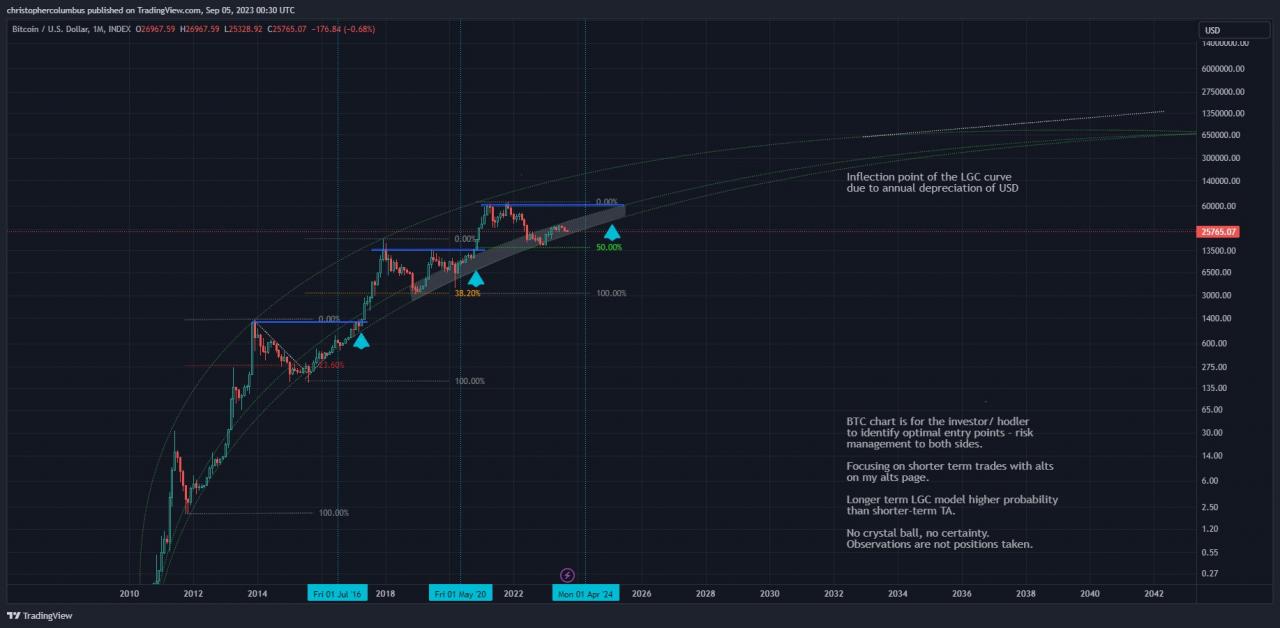
The price trajectory of Bitcoin has been shaped by a myriad of factors, each contributing to its rise and fall over the years leading up to 2025. Understanding these trends provides valuable insights into what might influence Bitcoin’s future value. Historical data, significant events, and the global economic climate all play pivotal roles in dictating the dynamics of the cryptocurrency market.The historical price trends of Bitcoin display a volatile yet upward trajectory, particularly marked by notable peaks and troughs.

Beginning in 2017, Bitcoin experienced a meteoric rise, reaching nearly $20,000 by December of that year. This surge was primarily fueled by increased mainstream attention and the advent of Initial Coin Offerings (ICOs). Following this peak, a prolonged bear market ensued, with Bitcoin bottoming out around $3,200 in late 2018. However, the market rebounded in 2020, driven by institutional investments and the macroeconomic environment shaped by the COVID-19 pandemic.

By 2021, Bitcoin achieved new all-time highs, surpassing $60,000. This trend of volatility, characterized by rapid price surges followed by corrections, has been a constant in Bitcoin’s history.

Significant Events Affecting Bitcoin’s Market

Numerous events have significantly impacted Bitcoin’s price over the years, often resulting in abrupt market shifts. These can be categorized into regulatory developments, technological advancements, and macroeconomic events.

  • Regulatory Developments: In 2021, China’s crackdown on cryptocurrency mining and trading led to a significant market drop, showcasing the sensitivity of Bitcoin to regulatory news. Conversely, positive interventions, such as El Salvador’s adoption of Bitcoin as legal tender, helped bolster confidence in the asset.
  • Technological Advancements: The launch of Bitcoin Futures by platforms like Chicago Mercantile Exchange (CME) in late 2017 offered institutional investors new avenues to engage with Bitcoin, resulting in increased market participation.
  • Macroeconomic Events: The global economic response to COVID-19, including monetary stimulus and inflation concerns, propelled Bitcoin into the spotlight as a potential hedge against traditional financial instability.

The interplay of these events highlights the importance of staying informed about both the regulatory landscape and technological progress in the cryptocurrency space.

Global Economic Factors Influencing Bitcoin’s Price Trajectory

Global economic conditions play a critical role in shaping Bitcoin’s market trends. Various economic indicators, such as inflation rates, interest rates, and geopolitical tensions, directly affect investor sentiment and market dynamics.

  • Inflation Rates: As inflation rises globally, Bitcoin has increasingly been viewed as a store of value, similar to gold. For instance, during periods of high inflation in 2021, many investors flocked to Bitcoin, leading to price surges.
  • Interest Rates: Low-interest rates, particularly in the United States, have led investors to seek alternative assets, including cryptocurrencies, to achieve better returns. Such an environment has historically supported price increases in Bitcoin.
  • Geopolitical Tensions: Events like the Russia-Ukraine conflict have led to increased uncertainty in global markets, prompting some investors to turn to Bitcoin as a safe haven asset. This behavior demonstrates how external geopolitical factors can influence market sentiment.

Bitcoin’s price trajectory in 2025 will likely continue to be influenced by these global economic factors, alongside ongoing developments in technology and regulation.

Expert Predictions for Bitcoin Price in 2025

As the cryptocurrency market continues to evolve, many financial experts are making waves with their predictions regarding Bitcoin’s price by the end of 2025. With its notorious volatility and the increasing interest from institutional investors, Bitcoin’s future price remains a hot topic among analysts and market watchers. This segment delves into the insights and methodologies employed by experts to forecast Bitcoin’s valuation.Various methodologies are utilized by financial analysts to predict Bitcoin’s price trajectory.

These include fundamental analysis, technical analysis, and sentiment analysis. Each method provides a unique perspective, factoring in diverse elements such as market trends, historical price data, and investor behavior. Understanding these approaches offers a clearer view of the range of predictions surrounding Bitcoin’s future value.

Methodologies Used by Analysts to Project Bitcoin Valuation

Examining the different methodologies used by experts helps to highlight the complexity of predicting Bitcoin’s price. Here are several approaches that analysts commonly use:

  • Fundamental Analysis: This approach evaluates Bitcoin’s intrinsic value based on various factors, including adoption rates, regulatory developments, and macroeconomic indicators. For instance, analysts might consider the impact of institutional adoption on Bitcoin’s price, as seen when companies like Tesla and MicroStrategy added Bitcoin to their balance sheets.
  • Technical Analysis: Utilizing historical price charts and trading volumes, technical analysts identify patterns and trends to forecast future prices. They often use key indicators such as moving averages and Fibonacci retracements. For instance, during 2021’s bull run, technical analysts identified support and resistance levels that guided many traders’ decisions.
  • Sentiment Analysis: This method gauges the overall market sentiment towards Bitcoin through social media, news articles, and public opinion. Analysts often track how sentiment shifts with major news events, such as regulatory announcements, which can significantly impact Bitcoin’s price.

Comparative Opinions from Financial Experts

Diverse expert opinions regarding Bitcoin’s price by the end of 2025 reflect a wide range of expectations influenced by market dynamics. While some experts project a bullish outlook, others remain cautious. For example, renowned cryptocurrency analyst PlanB has suggested that Bitcoin could reach as high as $100,000 by the end of 2025 based on his stock-to-flow model, which correlates Bitcoin’s scarcity with its price.

Meanwhile, financial institutions like JPMorgan have provided more conservative estimates, suggesting that Bitcoin’s price might stabilize around $50,000 due to increasing competition from alternative cryptocurrencies and regulatory scrutiny.Additionally, investment firms are making varied projections. Some venture capital firms are optimistic, projecting prices over $150,000, arguing that Bitcoin could become a leading store of value akin to digital gold. Others caution that macroeconomic factors such as inflation and interest rates could restrain Bitcoin’s growth potential, with predictions hovering closer to $30,000.

“Bitcoin’s volatility is its greatest asset and its greatest risk.”

In summary, while expert predictions for Bitcoin’s price in 2025 vary widely, they are grounded in thorough analyses of market conditions, historical data, and emerging trends. Each prediction offers valuable insights, reflecting the complex nature of cryptocurrency valuation.

Factors Influencing Bitcoin Price Fluctuations
COINTURK NEWS - Bitcoin, Blockchain and Cryptocurrency News and Analysis

Bitcoin’s price is notoriously volatile, influenced by a multitude of factors that can lead to rapid increases or decreases in its market value. Understanding these elements is crucial for investors and enthusiasts alike, as they provide insight into the dynamics of the cryptocurrency market. One of the most significant aspects contributing to Bitcoin’s price fluctuations is the interplay of supply and demand.

When the demand for Bitcoin surges, often due to market speculation or increased adoption, the price tends to rise. Conversely, if supply outstrips demand, particularly in times of market pessimism or negative sentiment, the price can plummet.

Supply and Demand Dynamics

The basic economic principles of supply and demand are paramount in determining Bitcoin’s market value. The finite supply of Bitcoin, capped at 21 million coins, creates a scarcity that can drive prices higher when demand increases. Factors that influence this dynamic include:

  • Market Sentiment: Positive news, such as institutional adoption or favorable media coverage, can drive demand upward, whereas negative events, such as security breaches or regulatory crackdowns, can dampen enthusiasm.
  • Investor Behavior: Speculation by traders and investors can lead to rapid price changes. For instance, during bull markets, investors rush to buy, driving prices up, while in bear markets, panic selling can lead to sharp declines.
  • Technological Developments: Innovations within the Bitcoin network, such as the implementation of the Lightning Network for faster transactions, can enhance Bitcoin’s usability, impacting demand positively.

Impact of Regulatory Changes

Regulatory changes play a pivotal role in shaping the environment in which Bitcoin operates. Governments around the world are continually adjusting their stances on cryptocurrencies, which can significantly affect market sentiment.Important aspects of regulatory impact include:

  • Legalization: When a country legalizes Bitcoin or integrates it into its financial system, as seen with El Salvador adopting it as legal tender, it can lead to increased demand and higher prices.
  • Restrictions: Conversely, announcements of bans or stringent regulations in major markets can trigger fear and lead to sell-offs, causing prices to drop.
  • Taxation Policies: Clear taxation frameworks can provide certainty for investors, encouraging participation in the market. Uncertainty or high taxation can have the opposite effect, leading to decreased demand.

“The intersection of public perception and regulatory landscape shapes the market, making it essential for investors to stay informed.”

Investment Strategies for Bitcoin by 2025

As the cryptocurrency market continues to evolve, developing effective investment strategies for Bitcoin is essential for those looking to capitalize on its price potential by the end of 2025. With fluctuations influenced by market trends, technology advancements, and regulatory changes, having a well-thought-out approach can significantly enhance your investment outcomes.Crafting an investment strategy entails understanding your risk tolerance, financial goals, and the broader market landscape.

A diversified approach that includes Bitcoin can help mitigate risks while providing opportunities for increased returns. Below are key strategies to consider for Bitcoin investment moving toward 2025.

Long-term Holding Strategy

A long-term holding strategy, often referred to as “HODLing,” involves purchasing Bitcoin and holding onto it for an extended period, regardless of market volatility. This strategy is based on the belief that Bitcoin’s value will appreciate significantly over time, driven by its scarcity and growing adoption. Here are the main points to consider:

  • Market Timing is Less Critical: By focusing on long-term trends rather than short-term price movements, investors can avoid the stress of market volatility.
  • Potential for High Returns: Historical data shows that Bitcoin has appreciated significantly over multi-year periods, highlighting the potential for substantial returns for patient investors.
  • Reduced Transaction Costs: Fewer trades can lead to lower transaction fees and tax implications, benefiting long-term holders.

Risk Management Guidelines

Effective risk management is crucial when investing in volatile assets like Bitcoin. Implementing key strategies can safeguard your investment and help navigate market uncertainties:

  • Set Clear Investment Goals: Define your risk tolerance, investment horizon, and expected returns to create a personalized investment plan.
  • Use Stop-Loss Orders: Setting stop-loss orders can automatically sell your Bitcoin at a predetermined price to limit losses during downturns.
  • Diversify Your Investments: Spreading investments across different assets reduces risk; this includes not only Bitcoin but also traditional stocks, bonds, or other cryptocurrencies.

Portfolio Diversification Including Bitcoin

Diversifying your investment portfolio by including Bitcoin can provide a hedge against traditional market risks and enhance overall returns. A well-structured portfolio may include a mix of asset classes, including equities, fixed income, and cryptocurrencies. Consider the following factors for effective portfolio diversification:

  • Asset Allocation: Determine what percentage of your portfolio will be allocated to Bitcoin relative to other assets, balancing risk and potential rewards.
  • Correlation Analysis: Analyze how Bitcoin’s price movements correlate with other assets in your portfolio, as low correlation can reduce overall portfolio volatility.
  • Regular Rebalancing: Periodically review and adjust your portfolio allocation to ensure it aligns with your investment goals and market conditions.

“A diversified portfolio not only enhances profit potential but also mitigates risks associated with market volatility.”

By implementing these investment strategies, individuals can better position themselves to capitalize on Bitcoin’s growth potential while managing risks effectively as we approach 2025.

Technological Innovations Impacting Bitcoin

Recent advancements in blockchain technology are set to reshape the landscape of Bitcoin, influencing its market value significantly. As the cryptocurrency space evolves, innovations aimed at improving efficiency, security, and user experience will play a crucial role in determining Bitcoin’s future price trajectory. These developments not only enhance Bitcoin’s functionality but also its adoption rate among users and investors alike.

Advancements in Blockchain Technology

The continuous evolution of blockchain technology has pivotal implications for Bitcoin’s market valuation. Enhancements in security protocols, consensus mechanisms, and interoperability with other blockchain systems can fundamentally alter investor sentiment and demand for Bitcoin. For instance, the introduction of smart contracts and decentralized finance (DeFi) applications can widen Bitcoin’s use cases beyond mere currency, integrating it into broader financial ecosystems.

Scalability Improvements

Scalability remains one of the foremost challenges facing Bitcoin, impacting its transaction speed and costs. Improvements in scalability solutions, like the Lightning Network, facilitate quicker transactions with lower fees, potentially increasing Bitcoin’s appeal for everyday transactions. As more users experience the enhanced efficiency, market demand could rise, leading to upward pressure on Bitcoin’s price.

Upcoming Technological Developments

Several technological advancements are on the horizon that may provide significant boosts to Bitcoin’s value. Key innovations include:

  • Taproot Upgrade: This upgrade aims to enhance privacy and efficiency in Bitcoin transactions, making complex transactions cheaper and more efficient. The promise of better privacy could encourage wider adoption.
  • Interoperability Solutions: Initiatives that enable Bitcoin to interact seamlessly with other blockchains can increase its utility and attractiveness to investors. For instance, cross-chain protocols that facilitate Bitcoin transactions on other networks could enhance liquidity.
  • Enhanced Security Measures: Advances in cryptographic techniques, such as quantum-resistant algorithms, will ensure Bitcoin’s long-term security against future threats, instilling greater confidence among users and investors.

“Technological improvements in Bitcoin can redefine its market value by enhancing usability, security, and interoperability.”

Comparison with Other Cryptocurrencies

As the first and most recognized cryptocurrency, Bitcoin continues to hold its ground in a rapidly evolving digital currency landscape. Its projected price for the end of 2025 is expected to be significantly higher than that of many rival cryptocurrencies, highlighting its unique position. Understanding Bitcoin’s competitive advantages and how its market dominance influences its price relative to altcoins is crucial for investors considering a diversified crypto portfolio.

Projected Price Comparison

When comparing Bitcoin’s projected price with major rival cryptocurrencies such as Ethereum, Binance Coin, and Cardano, it’s clear that Bitcoin is expected to maintain its lead. For instance, while Bitcoin might be projected to reach values exceeding $100,000 by the end of 2025, Ethereum could be expected to hover around the $10,000 mark, reflecting its second-place status. This price disparity is indicative of not just Bitcoin’s established reputation but also factors such as limited supply and increasing institutional adoption.

Competitive Advantages of Bitcoin

Bitcoin enjoys several competitive advantages over other altcoins that bolster its market position. Some of these advantages include:

  • Brand Recognition: Bitcoin’s status as the first cryptocurrency gives it unmatched brand recognition, making it synonymous with crypto for many investors.
  • Market Capitalization: Bitcoin consistently holds the largest market capitalization, which provides more liquidity and stability compared to smaller altcoins.
  • Network Security: Bitcoin’s blockchain is the most secure due to its extensive network of miners, which deters malicious attacks and enhances trust.
  • Regulatory Acceptance: Bitcoin is often viewed more favorably by regulators, which can lead to better acceptance and integration within mainstream finance.
  • Institutional Support: Increased investment from institutional players has solidified Bitcoin’s position as a reliable asset compared to altcoins.

Market Position Influence on Price

Bitcoin’s market position has a significant influence on its price relative to other cryptocurrencies. As the market leader, Bitcoin often sets the tone for overall market trends. When Bitcoin experiences price surges, it usually triggers a rally across the broader cryptocurrency market, affecting altcoin prices. Conversely, during price corrections, Bitcoin’s fluctuations can lead to increased volatility among altcoins. This interconnectedness showcases Bitcoin’s role as the bellwether of the cryptocurrency market, where its price movements hold substantial sway over the financial health of other digital assets.

“Bitcoin’s dominance in the cryptocurrency market is not just about its current price; it’s about how its trends and movements dictate the market’s pulse.”

Historical Events and Their Effects on Bitcoin Prices

Bitcoin’s journey has been tumultuous, marked by significant events that have shaped its market trajectory. Understanding these historical events is crucial for grasping how Bitcoin has evolved and how it may continue to fluctuate in the future. Each incident has left an indelible mark on public perception, regulatory attitudes, and market dynamics, offering valuable lessons for investors.Various historical moments have significantly impacted Bitcoin pricing, with each event revealing insights into market behavior and investor psychology.

The following events illustrate some of the most pivotal moments in Bitcoin’s history and their effects on prices:

Mt. Gox Hack

The Mt. Gox hack in 2014, where around 850,000 Bitcoins were stolen, serves as a stark reminder of the vulnerabilities within cryptocurrency exchanges. This incident led to a dramatic decline in Bitcoin’s price, plummeting from approximately $1,000 to around $400 within a matter of months.

  • The aftermath of the hack prompted increased scrutiny of cryptocurrency exchanges, leading to the implementation of more robust security measures across the industry.
  • It raised awareness regarding the need for self-custody solutions, as users became more wary of trusting third-party platforms.

The long-term effect was a shift in the market that favored exchanges with higher security standards, ultimately contributing to the development of decentralized exchange platforms.

Bitcoin’s First Halving

In November 2012, Bitcoin underwent its first halving event, where the reward for mining Bitcoins was cut from 50 to 25. This event had significant implications for Bitcoin’s supply and demand dynamics.

  • Historically, halvings have led to bullish price trends; after the 2012 halving, Bitcoin’s price surged to over $1,100 by late 2013.
  • The reduction in new supply heightened scarcity, motivating speculative trading and investor interest, thus impacting market sentiment positively.

The halving events have since become critical milestones in the Bitcoin calendar, with investors closely monitoring them to gauge potential price movements.

Regulatory News and Announcements

Government actions and announcements have regularly influenced Bitcoin’s price, both positively and negatively. For instance, China’s ban on cryptocurrency transactions in 2017 triggered a significant sell-off, leading Bitcoin’s price to drop from approximately $5,000 to under $3,000.

  • Conversely, favorable regulations, such as the SEC’s acceptance of Bitcoin ETFs, have previously catalyzed sharp price increases.
  • These fluctuations demonstrate how regulatory developments can create volatility in the market, often leading to immediate and sometimes dramatic shifts in investor confidence.

Understanding these impacts can help investors anticipate potential market reactions to future regulatory announcements.

The COVID-19 Pandemic

The onset of the COVID-19 pandemic in early 2020 brought unprecedented volatility to all financial markets, including Bitcoin. Initially, Bitcoin’s price dropped dramatically, mirroring the sell-off in traditional markets.

  • However, as governments around the world enacted stimulus measures, Bitcoin began to recover, ultimately skyrocketing to new all-time highs by late 2020.
  • The pandemic highlighted Bitcoin’s potential as a hedge against inflation, further solidifying its place in the investment landscape.

The long-term effects of the pandemic on Bitcoin have encouraged a surge in institutional adoption, as companies began viewing Bitcoin as a legitimate asset class.

Lessons Learned from Historical Events

The analysis of these historical events reveals several key lessons for current and future investors:

Security is Paramount

The Mt. Gox incident underscored the importance of choosing secure platforms and considering self-custody options.

Market Sentiment is Volatile

Regulatory actions can lead to rapid fluctuations, emphasizing the need for investors to stay informed and adaptable.

Scarcity Drives Value

The halving events consistently demonstrate that reduced supply can lead to increased demand and higher prices over time.

Emerging Trends Highlight Adoption

Events like the COVID-19 pandemic have shown that macroeconomic factors can influence Bitcoin’s role in global finance, often enhancing its appeal as a resilient asset.Each historical event not only influenced Bitcoin’s price but also contributed to shaping its evolving narrative within the financial landscape. By analyzing these instances, investors can better navigate the complexities of the Bitcoin market and make informed decisions going forward.

Psychosocial Factors Affecting Bitcoin Price

The price of Bitcoin is not solely dictated by market fundamentals such as supply and demand; rather, it is also significantly influenced by psychosocial factors. Investor sentiment, social media trends, and public perception play crucial roles in shaping Bitcoin’s value. Understanding these factors can provide insights into the often volatile nature of cryptocurrency pricing.

Impact of Investor Sentiment on Price Movements

Investor sentiment serves as a key driver in Bitcoin’s price fluctuations. When investors feel confident about the market, they are more likely to buy, driving prices up. Conversely, fear and uncertainty can lead to selling pressure, causing prices to drop. This phenomenon is evident during major market events, where a surge in positive sentiment can lead to rapid price increases, while negative news can trigger panic selling.The relationship between sentiment and price can be illustrated through several factors:

  • Market Sentiment Analysis: Tools like the Fear and Greed Index gauge how investors feel about the market, influencing buying or selling decisions.
  • Speculation and FOMO: The fear of missing out (FOMO) on potential price surges can lead to irrational buying, further driving up prices.
  • Panic Selling: Negative news, such as regulatory crackdowns or security breaches, can lead to widespread panic and rapid sell-offs.

Influence of Social Media Trends

Social media platforms have emerged as significant influencers of Bitcoin pricing, where trends can rapidly impact investor behavior. Popular figures in the crypto space, such as industry influencers or celebrities, can sway market sentiment through their posts or endorsements. Viral trends can lead to spikes in trading volumes and, consequently, price fluctuations.The role of social media can be broken down into key components:

  • Trending Topics: Discussions on platforms like Twitter and Reddit can lead to heightened interest, subsequently affecting price movements.
  • Influencer Endorsements: Positive statements from well-known personalities can create immediate buying interest among their followers.
  • Memes and Viral Content: Humorous or engaging content related to Bitcoin can contribute to widespread attention and drive new investors into the market.

Role of Public Perception and Media Coverage

Public perception is shaped significantly by media coverage, which can either bolster confidence or instill doubt regarding Bitcoin’s viability. Positive news stories, such as institutional adoption or technological advancements, can enhance public sentiment and encourage investment, thus driving prices higher. On the other hand, negative press, particularly relating to fraud or volatility, can deter potential investors.Key aspects influencing public perception include:

  • News Coverage: Major news outlets reporting on Bitcoin-related topics can greatly impact public awareness and sentiment.
  • Educational Initiatives: Media that provides informative content can help demystify Bitcoin, encouraging more informed investment decisions.
  • Regulatory Developments: Coverage of government regulations can either alleviate concerns or exacerbate fears, significantly affecting market behavior.

“Understanding the psychosocial factors affecting Bitcoin can empower investors to make more informed decisions in a rapidly changing market.”

Closure

In conclusion, the journey towards understanding the bitcoin price end of 2025 reveals a tapestry woven from market trends, expert predictions, and external influences. As investors and enthusiasts, keeping an eye on these evolving factors will be crucial for making informed decisions. The future of Bitcoin remains both exciting and uncertain, but one thing is clear: it will continue to capture our attention and shape the financial landscape.

Questions and Answers

What factors can affect Bitcoin’s price by 2025?

Key factors include market demand, regulatory changes, technological advancements, and global economic conditions.

How do expert predictions vary for Bitcoin’s price?

Experts use different methodologies, leading to a range of predictions based on their analyses and assumptions.

Is Bitcoin a safe investment for the long term?

While Bitcoin has potential for growth, it is also subject to volatility and risks, necessitating careful consideration before investing.

What role does media play in influencing Bitcoin’s price?

Media coverage can sway public perception, affecting investor sentiment and ultimately influencing Bitcoin’s market price.

How does Bitcoin’s scalability impact its future value?

Improvements in scalability can enhance transaction efficiency and user adoption, positively influencing Bitcoin’s market value.

Finding a remote financial analyst position in the USA can be exciting and rewarding. This guide explores the field, highlighting the key skills, market trends, and job search strategies needed to succeed in this dynamic sector.

From understanding the nuances of the US financial market to mastering the technical tools for remote work, this comprehensive resource equips you with the knowledge to navigate the complexities of the remote financial analyst job market.

Job Description Overview

A financial analyst plays a crucial role in organizations of all sizes, providing critical insights and recommendations based on financial data analysis. Their expertise is essential for informed decision-making, strategic planning, and overall financial health. They act as a bridge between financial data and business strategy, translating complex information into actionable insights for management.Financial analysts are responsible for a wide range of tasks, from gathering and interpreting data to creating financial models and reports.

Their work directly impacts various aspects of a company’s operations, including budgeting, forecasting, and investment decisions. The core function of a financial analyst is to use their analytical skills and knowledge of finance to identify trends, assess risks, and recommend optimal financial strategies.

Role of a Financial Analyst

Financial analysts are highly analytical professionals who evaluate financial data to identify trends, assess risks, and provide recommendations for optimal financial strategies. They are key to the success of organizations in making informed business decisions. Their work often involves deep dives into financial statements, market research, and industry analysis.

Typical Responsibilities and Duties

Financial analysts perform a diverse range of duties, which include:

  • Analyzing financial statements (income statements, balance sheets, cash flow statements) to identify trends and potential issues.
  • Developing financial models to project future performance and evaluate investment opportunities.
  • Preparing financial reports and presentations for management and stakeholders.
  • Conducting market research and competitive analysis to assess industry trends and identify opportunities.
  • Evaluating investment opportunities and making recommendations to management on potential investments.
  • Recommending strategies to improve financial performance and profitability.
  • Creating budgets and forecasts to support strategic planning.
  • Monitoring financial performance and providing regular updates to management.

Skills and Qualifications

A successful financial analyst requires a blend of technical skills, analytical abilities, and soft skills. The following table Artikels some crucial skills and their importance in the role.

Skill Description Importance Level
Financial Modeling Constructing and manipulating financial models to project future performance and assess investment opportunities. Examples include discounted cash flow (DCF) models and sensitivity analyses. High
Data Analysis Gathering, cleaning, analyzing, and interpreting financial data from various sources. Tools like Excel and statistical software are frequently used. High
Financial Statement Analysis Interpreting financial statements (income statements, balance sheets, cash flow statements) to identify trends, assess performance, and evaluate risks. This involves understanding key financial ratios and metrics. High
Communication Clearly and concisely communicating complex financial information to both technical and non-technical audiences. This includes writing reports, making presentations, and providing concise summaries. Medium-High
Problem-solving Identifying and analyzing financial problems, evaluating potential solutions, and recommending effective courses of action. High
Critical Thinking Analyzing information objectively, evaluating arguments, and forming well-reasoned judgments. High
Microsoft Office Suite (Excel, PowerPoint, Word) Proficiency in using Microsoft Office applications for data analysis, report generation, and presentation development. High

Remote Work Considerations

Remote work has become increasingly prevalent in the financial analysis field, offering unique advantages and presenting specific challenges. Understanding these nuances is crucial for both employers and employees seeking to leverage the benefits of remote work effectively. This section explores the pros and cons of remote work for financial analysts, comparing and contrasting the in-office and remote work environments, and highlighting the essential technical skills and tools for success.

Advantages of Remote Work for Financial Analysts

Remote work offers flexibility and autonomy, allowing analysts to better manage their schedules and work-life balance. This can lead to increased productivity and job satisfaction. Analysts can often work from locations that suit their personal preferences, potentially reducing commuting time and expenses. Remote work can also attract a broader pool of talent, as geographical limitations are lessened.

Disadvantages of Remote Work for Financial Analysts

Despite the advantages, remote work for financial analysts presents certain challenges. Maintaining consistent communication and collaboration with colleagues can be difficult, potentially impacting team cohesion and project timelines. Building and maintaining professional relationships in a virtual environment may also prove more demanding than in-office settings. Remote work can also lack the spontaneous interactions and knowledge sharing that occur naturally in a physical office space.

Comparison of In-Office and Remote Work Environments

The work environment significantly impacts a financial analyst’s daily tasks and interactions. In-office environments provide opportunities for spontaneous collaboration, knowledge sharing, and building strong interpersonal relationships. Remote environments, while offering flexibility, necessitate more structured communication channels and proactive engagement to maintain a sense of community.

Technical Skills for Effective Remote Financial Analysis

Successful remote financial analysis requires a robust set of technical skills. Strong proficiency in using various software applications, such as Bloomberg Terminal, FactSet, and financial modeling software, is essential. Furthermore, expertise in data analysis tools and platforms, like Python, R, or SQL, is highly beneficial for extracting, processing, and interpreting data. Solid understanding of cloud-based platforms and data security protocols is also crucial.

Tools and Technologies for Remote Financial Analysis

Numerous tools and technologies facilitate remote financial analysis. Cloud-based file-sharing platforms like Dropbox or Google Drive enable seamless data access and collaboration. Video conferencing tools like Zoom or Microsoft Teams are essential for virtual meetings and real-time communication. Project management software like Asana or Trello aids in organizing tasks and tracking progress. Furthermore, secure communication channels and encryption protocols are vital to protect sensitive financial data.

Table: Remote vs. In-Office Work Environments

Feature Remote Work In-Office Work
Communication Relies heavily on digital tools like email, video conferencing, and instant messaging. Facilitates more spontaneous communication through face-to-face interactions.
Collaboration Requires more structured and proactive collaboration through digital platforms. Allows for more ad-hoc and informal collaboration.
Work-Life Balance Generally offers greater flexibility and control over work hours. Can be more demanding in terms of fixed schedules and commuting time.
Cost Potentially lower expenses associated with commuting and office supplies. Higher expenses associated with office space and supplies.
Productivity Can vary based on individual discipline and work habits. Can be boosted by the shared energy and interaction of a physical office.

US Market Specifics

The US financial market is a complex and dynamic environment, significantly impacting the roles and compensation of financial analysts. Understanding the current state, key trends, and regulatory framework is crucial for aspiring professionals in this field. This section delves into these aspects to provide a comprehensive overview.

Current State of the US Financial Market

The US financial market remains a global powerhouse, characterized by substantial capital investment and diverse financial instruments. While recent years have witnessed periods of volatility, the overall market displays resilience. Factors such as interest rate adjustments, inflation, and geopolitical events frequently influence market performance. Recent economic data suggests a mixed outlook, with some sectors showing robust growth, while others face headwinds.

Key Trends and Developments Affecting the Financial Industry in the USA

Several key trends are shaping the financial industry in the US. Increased adoption of technology and digital solutions is transforming how financial institutions operate, impacting everything from investment strategies to customer service. The rise of fintech companies has brought innovative products and services to the market, creating both opportunities and challenges for established players. Sustainable investing and ESG (Environmental, Social, and Governance) factors are gaining significant traction, prompting a shift towards more ethical and responsible investment practices.

Regulatory Landscape for Financial Analysts in the USA

Financial analysts in the US are subject to various regulations. The Securities and Exchange Commission (SEC) plays a pivotal role in overseeing the market and ensuring compliance. Regulations surrounding financial reporting, risk management, and ethical conduct are strictly enforced to maintain market integrity and investor confidence. Analysts must adhere to strict ethical guidelines and codes of conduct, which are essential for maintaining professional standards and avoiding conflicts of interest.

The regulatory environment, while complex, provides a framework for responsible financial analysis and investment decision-making.

Typical Compensation Packages for Financial Analysts in the USA

Compensation for financial analysts in the US is influenced by several factors, including experience, skills, and location. Base salaries typically range from mid-to-high five figures for entry-level positions to significantly higher figures for senior analysts with substantial experience. Bonus structures often depend on performance metrics, and equity compensation is increasingly common, particularly in larger firms. Benefits packages such as health insurance, retirement plans, and paid time off are standard.

Comparison of Financial Analyst Salaries in Different US Regions

The following table presents a comparison of average financial analyst salaries across various US regions. Keep in mind that these are averages, and actual salaries can vary depending on factors such as experience, specific skillsets, and company size.

Region Average Salary (USD)
Northeast (e.g., New York, Boston) $80,000 – $120,000
Midwest (e.g., Chicago, Detroit) $75,000 – $110,000
South (e.g., Atlanta, Dallas) $70,000 – $105,000
West Coast (e.g., San Francisco, Los Angeles) $85,000 – $130,000

Job Search Strategies

Finding a remote financial analyst role in the USA requires a strategic approach. Effective job searching involves a combination of targeted resume building, proactive networking, and savvy online platform utilization. A well-defined strategy maximizes your chances of landing a suitable remote position.

Crafting a Compelling Resume

A strong resume is crucial for catching the attention of recruiters. It should highlight your financial analysis skills, experience, and accomplishments. Tailor your resume to each specific job description, emphasizing relevant s and quantifiable achievements.

  • s are Key: Research s frequently used in financial analyst job postings. Incorporate these s naturally throughout your resume to enhance searchability by applicant tracking systems (ATS). Examples include “financial modeling,” “data analysis,” “investment analysis,” and “forecasting.”
  • Quantifiable Achievements: Showcase your accomplishments with quantifiable results. Instead of saying “Managed budgets,” quantify it as “Managed budgets totaling $5 million, resulting in a 15% reduction in expenses.” This demonstrates impact and value.
  • Tailor Your Resume: Customize your resume for each job application. Highlight the skills and experiences most relevant to the specific role. This personal touch shows you’ve researched the role and are a serious candidate.

Writing a Powerful Cover Letter

A compelling cover letter is a crucial extension of your resume. It’s your opportunity to demonstrate your enthusiasm for the specific role and company, and explain why you’re the ideal candidate.

  • Address the Specifics: Clearly address the requirements Artikeld in the job description. Show how your skills and experiences directly match the needs of the role. Highlight specific projects or experiences that demonstrate the skills needed for the role.
  • Showcase Your Personality: While professional, your cover letter should also reflect your personality. Show your enthusiasm and genuine interest in the company and the role.
  • Proofread Carefully: Thorough proofreading is essential. Errors in grammar and spelling can significantly impact your application. Seek feedback from a trusted friend or mentor.

Networking Strategies

Networking is vital for uncovering hidden job opportunities. Leveraging your professional network can provide valuable insights and connections.

  • Online Platforms: Utilize professional networking platforms like LinkedIn to connect with recruiters and professionals in the financial analysis field. Engage in industry discussions and participate in relevant groups.
  • Industry Events: Attend industry events, webinars, and conferences to network with potential employers and colleagues. These events provide excellent opportunities for direct interaction and relationship building.
  • Referrals: Leverage your existing network by asking for referrals from colleagues, friends, or family. Referrals often lead to faster and more efficient job searches.

Leveraging Online Job Boards

Online job boards are a primary source for remote financial analyst positions. Using the right platforms and strategies can significantly increase your visibility.

  • Targeted Searches: Use s and filters to find remote financial analyst jobs specifically. Refine your searches by location (USA), experience level, and company size.
  • Regular Monitoring: Regularly monitor job boards for new listings. Set up alerts to receive notifications when new roles matching your criteria become available.
  • Company Websites: Explore the career pages of companies known for employing remote financial analysts. Many companies post remote job opportunities directly on their websites.

Applying to Remote Financial Analyst Roles – Step-by-Step Guide

Applying effectively is crucial for maximizing your chances of getting an interview.

  1. Thorough Research: Research the company and the specific role thoroughly. Understand their mission, values, and recent projects.
  2. Tailor Your Materials: Tailor your resume and cover letter to each specific job application. Highlight the skills and experiences most relevant to the role.
  3. Review Application Instructions: Carefully review all application instructions and ensure you adhere to the format and guidelines.
  4. Proofread Carefully: Double-check your resume, cover letter, and application for any errors in grammar, spelling, or formatting.
  5. Follow Up: Follow up with the recruiter or hiring manager after submitting your application. This demonstrates your continued interest and initiative.

Industry Trends and Projections

The financial industry is undergoing a rapid transformation, driven by technological advancements and evolving market dynamics. Remote work is no longer a fringe benefit but a core component of many financial institutions’ strategies. This shift is profoundly impacting the role of financial analysts, demanding adaptability and proficiency in new tools and methodologies. The future of remote financial analysis jobs in the USA is characterized by a blend of traditional skills and cutting-edge technologies.The evolution of financial analysis in the remote setting is shaped by a confluence of factors.

Cloud-based platforms are central to data management and analysis, allowing for real-time access and collaboration across geographically dispersed teams. Artificial intelligence (AI) and machine learning (ML) are increasingly employed for tasks such as data processing, trend identification, and risk assessment. These technological shifts necessitate a workforce equipped with both traditional analytical skills and the ability to leverage emerging technologies.

This evolving landscape presents both challenges and opportunities for aspiring remote financial analysts.

Emerging Trends in the Financial Industry

The financial industry is experiencing a rapid transition towards digitalization. Cloud-based solutions, sophisticated data analytics tools, and AI-powered platforms are becoming integral components of financial operations. This digital transformation necessitates a workforce proficient in utilizing these technologies for data processing, analysis, and reporting. This evolution directly impacts the responsibilities and skillsets required of remote financial analysts.

Future of Remote Financial Analysis Jobs in the USA

The US financial sector is projected to continue its reliance on remote work models. The demand for skilled financial analysts, particularly those proficient in using advanced analytical tools, is anticipated to rise. The ability to leverage data analytics platforms, coupled with strong analytical and communication skills, will be highly valued. This trend will be further amplified by the increasing need for financial professionals who can analyze and interpret large datasets effectively.

Technological Advancements Shaping the Field

Technological advancements are dramatically reshaping the financial analysis landscape. The implementation of advanced analytics software, data visualization tools, and AI-powered platforms is creating new opportunities for remote financial analysts. Financial analysts must adapt to the use of such tools for effective data analysis and interpretation. Examples include platforms for real-time market data, sophisticated financial modeling software, and AI-powered algorithms for risk assessment.

Projected Growth of Different Areas Within the Field

The growth projections for different areas within financial analysis vary. While traditional areas like investment banking and asset management will remain significant, newer fields like fintech and alternative investments are exhibiting rapid growth. These areas require analysts with specific skill sets and knowledge of innovative financial instruments. A deeper understanding of blockchain technology and its implications in finance, for example, is increasingly important for analysts in the future.

Projected Growth of Financial Analyst Roles in the US

This table provides a projected growth outlook for financial analyst roles in the US over the next 5 years, based on industry forecasts and economic trends.

Area of Financial Analysis Projected Growth (2024-2029) Rationale
Investment Banking Moderate (3-5%) While still significant, growth is anticipated to be more moderate compared to other sectors.
Asset Management Moderate to High (5-8%) Continued demand for portfolio management and investment strategies.
Fintech High (8-12%) Rapid adoption of digital financial services drives demand for specialized analysts.
Alternative Investments High (10-15%) Growing interest in private equity, venture capital, and other alternative assets.
Risk Management High (8-10%) Increasing complexity of financial markets necessitates sophisticated risk assessment strategies.

Note: Projections are based on industry reports and expert opinions, and actual growth may vary.

Qualifications and Education

A successful financial analyst requires a strong foundation in finance and related disciplines, coupled with the ability to apply theoretical knowledge to real-world scenarios. The job demands analytical skills, strong communication abilities, and a keen understanding of the market dynamics.The educational requirements for financial analyst roles often include a bachelor’s degree in finance, accounting, economics, or a related field.

A master’s degree, such as an MBA or a master’s in finance, can significantly enhance a candidate’s qualifications and open doors to more senior-level positions. However, a strong academic record, demonstrated through high GPAs and notable achievements, can often compensate for a lack of a postgraduate degree.

Educational Requirements

A bachelor’s degree is typically the minimum educational requirement for entry-level financial analyst positions. However, many companies prefer candidates with a master’s degree or equivalent experience, especially for more advanced or specialized roles. Coursework in financial accounting, corporate finance, investments, and statistics is highly beneficial. Practical experience through internships or volunteer work is also valuable. Furthermore, the specific curriculum can vary significantly depending on the university and program.

Importance of Relevant Certifications

Certifications demonstrate a candidate’s commitment to professional development and proficiency in specific areas. These credentials can significantly enhance a resume and increase marketability. Professional certifications often validate expertise in particular software or methodologies. Relevant certifications in financial modeling, valuation, or portfolio management can greatly enhance a candidate’s profile. These credentials can showcase a candidate’s dedication to ongoing learning and provide a competitive edge.

Value of Professional Development

Continuous professional development is crucial for financial analysts. The financial industry is constantly evolving, with new technologies, regulations, and market trends emerging regularly. Staying current with these changes through professional development activities ensures analysts maintain their skills and knowledge. This commitment to ongoing learning helps analysts adapt to industry changes and excel in their roles. Examples include attending workshops, webinars, or seminars.

Examples of Relevant Courses and Training Programs

Numerous online platforms and institutions offer specialized financial analyst training programs. Courses covering financial modeling, valuation techniques, portfolio management, and risk assessment are highly valuable. For example, programs from reputable institutions like Coursera, edX, and the CFA Institute offer a wide range of courses and certifications. Many firms also provide in-house training to enhance employee skill sets.

These programs provide a hands-on approach to applying financial concepts and principles.

Common Certifications and Their Value

Certification Description Value in the Job Market
Chartered Financial Analyst (CFA) A globally recognized certification for investment professionals. Highly valued, demonstrating a strong understanding of investment analysis, portfolio management, and ethical standards.
Certified Public Accountant (CPA) A credential for accounting professionals. Demonstrates strong accounting knowledge, useful for financial analysts in certain roles.
Financial Modeling and Valuation Analyst (FMVA) A certification focusing on financial modeling and valuation techniques. Highly beneficial for roles requiring proficiency in financial modeling and valuation.
Investment Banking Analyst (IBA) A certification focusing on the intricacies of investment banking. Demonstrates knowledge of the investment banking landscape and the skills needed for roles within this sector.

Skill Development

Developing a strong skillset is crucial for success as a financial analyst, especially in a remote work environment. This involves mastering both technical and interpersonal abilities. Adapting to the ever-evolving financial landscape requires continuous learning and staying ahead of industry trends.

Essential Skills for Financial Analysts

Mastering a range of hard and soft skills is vital for financial analysts. Hard skills encompass technical proficiencies, while soft skills focus on interpersonal and professional attributes. A well-rounded skillset allows analysts to effectively manage tasks, analyze data, and communicate insights to stakeholders.

  • Data Analysis and Interpretation: Financial analysts must possess strong analytical abilities to interpret complex data sets. This includes using various tools and techniques to extract meaningful insights from financial statements, market trends, and other relevant data. Examples include proficiency in Excel, statistical software, and data visualization tools.
  • Financial Modeling: Creating and manipulating financial models is an essential skill for projecting future performance and assessing investment opportunities. Analysts need to understand various financial models, including discounted cash flow (DCF) analysis and scenario planning.
  • Financial Reporting: Producing accurate and insightful financial reports is crucial for communicating findings and recommendations to stakeholders. Analysts need to understand accounting principles, regulatory requirements, and different reporting formats.
  • Investment Analysis: Thorough understanding of various investment instruments, markets, and economic factors is vital for evaluating investment opportunities and providing informed recommendations.
  • Communication and Presentation Skills: Effectively communicating complex financial information to both technical and non-technical audiences is critical. This involves strong written and verbal communication, as well as the ability to present findings clearly and concisely in presentations and reports.
  • Problem-solving and Critical Thinking: Financial analysts frequently encounter complex problems requiring critical thinking and creative problem-solving skills. This includes identifying root causes, evaluating potential solutions, and recommending the most effective course of action.

Skills Valued by Employers for Remote Financial Analysts

Remote work demands specific skills from financial analysts. Beyond technical expertise, employers value attributes that facilitate collaboration and communication in a virtual environment.

  • Proactive Communication: Maintaining consistent and clear communication with colleagues and stakeholders is essential in a remote setting. This includes proactive updates, timely responses, and clear documentation of work progress.
  • Time Management and Organization: Remote work requires strong time management and organizational skills to manage multiple tasks effectively and meet deadlines independently.
  • Technical Proficiency: Familiarity with various software and tools used in a remote setting, including video conferencing platforms, project management software, and collaboration tools, is crucial.
  • Adaptability and Flexibility: Remote work environments often require adapting to changing situations and priorities. Analysts need to be flexible and adaptable to handle unexpected challenges and adjust to new information efficiently.

Importance of Continuous Learning

The financial industry is dynamic, with new technologies and regulations constantly emerging. Continuous learning is crucial for staying relevant and gaining a competitive edge. Keeping abreast of these developments allows analysts to provide informed insights and contribute effectively to organizational goals. For example, the adoption of artificial intelligence (AI) in financial analysis requires analysts to adapt their skillsets.

Strategies for Skill Enhancement

Continuous learning can be achieved through various methods. Online courses, workshops, and mentorship programs provide valuable opportunities for skill development.

  • Online Courses: Platforms like Coursera, edX, and Udemy offer a wide range of financial analysis courses, providing structured learning experiences at a flexible pace.
  • Workshops and Seminars: Industry-specific workshops and seminars provide practical knowledge and networking opportunities with professionals in the field.
  • Mentorship Programs: Mentorship programs offer guidance and support from experienced professionals, accelerating skill development and providing valuable insights.

Summary of Essential Skills

Category Skill
Hard Skills Data Analysis, Financial Modeling, Financial Reporting, Investment Analysis
Soft Skills Communication, Problem-solving, Time Management, Adaptability, Proactive Communication

Company Profiles

Navigating the job market for remote financial analysts requires understanding the companies actively seeking these professionals. This section provides insights into prominent US companies hiring for remote financial analysis roles, exploring their cultures, remote work approaches, and missions. Understanding these facets will help you tailor your application and research approach to align with the specific company values and expectations.

Prominent Companies Hiring Remote Financial Analysts

Numerous companies across various sectors in the US actively seek remote financial analysts. These companies often prioritize candidates with strong analytical skills, a deep understanding of financial markets, and a demonstrated ability to work effectively in a remote environment.

Company Profiles Overview

The following table showcases five companies actively hiring for remote financial analyst positions in the US. Information includes their mission statements, remote work policies, and employee benefits, offering a snapshot of their corporate culture and values.

Company Name Mission Statement Remote Work Approach Employee Benefits
XYZ Corp To provide innovative financial solutions to clients across the globe. Hybrid model, offering flexibility in working hours and locations. Comprehensive benefits package including health insurance, 401k matching, and paid time off.
ABC Investments To deliver superior investment strategies to our clients, driving financial success. Fully remote, with opportunities for virtual team building and collaboration. Competitive salary, generous parental leave, and professional development resources.
Global Financial Solutions To be a trusted partner in the financial world, delivering exceptional value to clients. Fully remote, with robust communication tools and collaborative platforms. Excellent health insurance options, flexible work arrangements, and opportunities for career advancement.
Innovative Capital Management To empower individuals and businesses to achieve financial success through innovative investment strategies. Hybrid model, with designated days for in-person collaboration and virtual meetings. Comprehensive benefits package including stock options, professional development programs, and a strong mentorship program.
Prime Financial Group To provide comprehensive financial services with a focus on customer satisfaction and innovation. Fully remote, emphasizing a strong work-life balance. Competitive compensation, comprehensive health insurance, and generous paid time off.

Summary

In conclusion, the remote financial analyst job market in the USA presents a wealth of opportunities. By understanding the required skills, navigating the market, and utilizing effective job search strategies, you can successfully pursue a fulfilling career as a remote financial analyst.

General Inquiries

What are the typical responsibilities of a financial analyst?

Responsibilities often include financial modeling, data analysis, creating reports, and providing recommendations based on market trends and company performance.

What are the essential skills for a remote financial analyst?

Strong analytical, communication, and technical skills (like proficiency in financial modeling software) are crucial for remote financial analysts.

What are some popular tools used for remote financial analysis?

Many financial analysts use tools like Excel, Bloomberg, and specialized financial modeling software for their work.

How can I prepare my resume for a remote financial analyst role?

Highlight your relevant skills, experience, and certifications. Quantify your achievements whenever possible.