Buying Bitcoin with Apple Pay and a credit card presents a novel approach to cryptocurrency acquisition. This method combines the convenience of Apple Pay with the established security protocols of credit card transactions. It’s a potentially fast and seamless way to enter the world of digital assets.
This method allows users to access Bitcoin purchases directly from their mobile devices. The integration of Apple Pay simplifies the process, minimizing the steps required for a transaction. Security features of Apple Pay and credit cards add an additional layer of protection for users.
Bitcoin Purchasing Methods
Acquiring Bitcoin involves various methods, each with its own set of advantages and disadvantages regarding speed, security, and cost. Understanding these differences is crucial for making informed decisions about how to acquire this cryptocurrency. The choice of method often depends on individual priorities and circumstances.Different platforms offer various purchasing options, from traditional bank transfers to more specialized cryptocurrency exchanges.
This section details these methods, highlighting their respective strengths and weaknesses.
Methods for Purchasing Bitcoin
Various methods exist for acquiring Bitcoin, ranging from established exchanges to peer-to-peer platforms. The selection of a method hinges on the user’s risk tolerance, desired transaction speed, and budget.
- Exchanges: Major cryptocurrency exchanges provide a platform for buying and selling Bitcoin using various payment methods, including bank transfers, credit cards, and debit cards. These platforms typically offer higher liquidity, meaning a greater number of buyers and sellers, which generally translates to more competitive pricing. They often have robust security measures to protect user funds. Examples include Coinbase, Kraken, and Gemini.
These platforms typically have user-friendly interfaces and provide 24/7 support, making them convenient for many users.
- Peer-to-Peer (P2P) Platforms: P2P platforms connect buyers and sellers directly, allowing for transactions outside the regulated exchange environment. These platforms can offer lower fees than exchanges, particularly for large transactions. However, buyers and sellers assume more responsibility for verifying the identity and legitimacy of each other, increasing the risk of scams or fraud. Examples include LocalBitcoins and Paxful. Due diligence and careful screening are crucial when using P2P platforms.
- Brokerage Platforms: Some brokerage firms now offer Bitcoin purchasing options alongside traditional financial instruments. These services typically integrate Bitcoin trading directly into their existing platform. This integration often simplifies the process for users already familiar with brokerage services, though they may not have the extensive range of features found on dedicated cryptocurrency exchanges. Examples include Fidelity and Schwab.
- Using Credit Cards: Many exchanges and specialized Bitcoin purchasing platforms allow for credit card purchases. This method is convenient but typically comes with higher transaction fees compared to other methods, such as bank transfers. The speed of transaction varies based on the platform and card provider. Security measures on these platforms play a vital role in protecting user information and funds.
Comparison of Bitcoin Purchase Methods
The choice of Bitcoin purchasing method depends on a variety of factors, including transaction speed, security measures, and associated costs.
| Method | Speed | Security | Cost |
|---|---|---|---|
| Exchanges (e.g., Coinbase) | Generally fast, often near-instantaneous | High, with robust security protocols | Fees vary, often lower than P2P |
| P2P Platforms (e.g., LocalBitcoins) | Can vary significantly, often slower than exchanges | Lower, but users need to exercise caution to prevent fraud | Potentially lower fees than exchanges, but depends on individual transactions |
| Brokerage Platforms (e.g., Fidelity) | Can vary, often faster than P2P | Moderate, relying on the brokerage’s security protocols | Fees can vary, often higher than exchanges |
| Credit Cards | Variable, depending on the platform and credit card issuer | Medium to high, depending on the platform’s security measures and credit card provider | Typically higher than bank transfers, due to fees and potentially higher exchange rates |
Apple Pay and Bitcoin Integration
Integrating Bitcoin purchasing with Apple Pay presents a promising avenue for broader Bitcoin adoption. This integration allows users to seamlessly purchase Bitcoin using their familiar Apple Pay ecosystem, potentially attracting a wider user base that might not be comfortable with traditional cryptocurrency exchanges. The process leverages existing infrastructure, which simplifies the user experience and reduces friction points.
Technical Aspects of Integration
The technical integration of Apple Pay with Bitcoin purchasing platforms involves several key components. A crucial element is a secure payment gateway that handles the Bitcoin transaction. This gateway needs to facilitate the conversion of Apple Pay funds into Bitcoin. This typically involves an intermediary platform that acts as a bridge between Apple Pay and the Bitcoin exchange.
Furthermore, the platform needs to adhere to stringent security protocols to protect user funds and sensitive data. Robust encryption is essential to safeguard transactions.
Security Concerns and Benefits
Using Apple Pay for Bitcoin purchases introduces both security concerns and potential benefits. A primary concern centers around the security of the underlying Apple Pay infrastructure. The system’s robust security measures, such as two-factor authentication and fraud detection, mitigate this risk. Furthermore, the secure nature of Bitcoin transactions themselves is another layer of protection. However, vulnerabilities in the third-party platform handling the conversion could pose a risk.
To mitigate this, users should prioritize platforms with strong security records and robust regulatory compliance. Benefits include the convenience and familiarity of Apple Pay for users. The existing security infrastructure surrounding Apple Pay can be leveraged to make Bitcoin transactions more accessible to a wider user base.
User Experience
The user experience of buying Bitcoin with Apple Pay is designed to be intuitive and seamless. Users should be able to initiate the purchase with a simple tap or touch. The user interface should be clear and well-organized. The process should also clearly display the transaction details, including the amount of Bitcoin being purchased, the current exchange rate, and any associated fees.
The integration should be smooth, minimizing friction and providing a positive user experience. This straightforward user experience is a key factor in driving adoption. For example, a streamlined purchasing flow, combined with clear transaction details, will contribute to a positive user experience.
Credit Card Transactions for Bitcoin
Using a credit card to purchase Bitcoin is a common and convenient method. This process typically involves an intermediary platform that facilitates the transaction. Understanding the steps, associated fees, and available options is crucial for a smooth and cost-effective purchase.
Process of Using a Credit Card to Buy Bitcoin
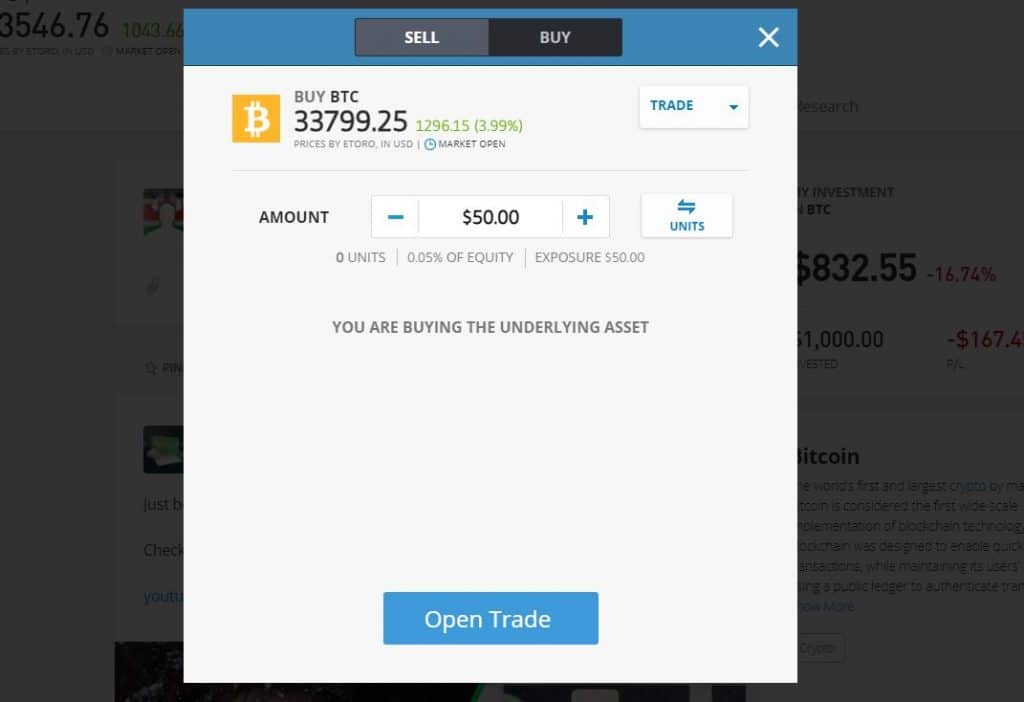
The process for purchasing Bitcoin using a credit card generally involves several steps. A user initiates the transaction through a reputable Bitcoin exchange platform. The platform verifies the user’s identity and credit card details. Upon approval, the platform converts the credit card funds into Bitcoin and credits the user’s Bitcoin wallet.
Steps in Completing a Bitcoin Purchase with a Credit Card
A typical Bitcoin purchase with a credit card follows these steps:
- Select the desired amount of Bitcoin to purchase on the platform.
- Enter the credit card details, ensuring the information is accurate and secure.
- Review the transaction details, including the Bitcoin price, fees, and total cost.
- Confirm the transaction, authorizing the payment through the credit card provider.
- Once the transaction is confirmed, the Bitcoin is credited to the user’s wallet.
Fees and Charges Associated with Credit Card Bitcoin Purchases
Several fees are often associated with credit card transactions for Bitcoin. These can include processing fees charged by the Bitcoin exchange platform and potential markup fees imposed by the credit card company. Additionally, fluctuating exchange rates between fiat currency and Bitcoin can influence the total cost.
| Fee Category | Description | Typical Impact |
|---|---|---|
| Platform Fees | Fees charged by the Bitcoin exchange platform for facilitating the transaction. | Can vary based on the platform and transaction volume. |
| Credit Card Fees | Markup or interchange fees levied by the credit card issuer. | Can impact the effective cost of the purchase. |
| Exchange Rate Fluctuations | Changes in the Bitcoin-to-fiat currency exchange rate. | Can lead to slight variations in the total cost depending on the timing of the purchase. |
Comparison of Credit Card Options for Bitcoin Purchases
Different credit cards offer varying benefits and features. Some cards may provide rewards programs, cashback, or other perks. Furthermore, certain credit card providers may offer preferential treatment for Bitcoin transactions, potentially leading to lower fees.
Examples of Typical Fees
Consider a scenario where a user purchases 1 Bitcoin. A typical Bitcoin exchange platform might charge a 1% processing fee. The user’s credit card provider might add a 2% markup. The exchange rate fluctuations could add or subtract a few dollars, depending on the timing.
Security Considerations
Buying Bitcoin with a credit card, while convenient, necessitates careful consideration of security measures. Platforms facilitating these transactions employ various protocols to protect user data and funds. Understanding these measures, alongside the inherent risks, empowers informed decision-making.
Security Measures Employed by Bitcoin Trading Platforms
Bitcoin platforms implementing credit card purchases often integrate robust security protocols. These include advanced encryption techniques like TLS/SSL, protecting sensitive information during transmission. Furthermore, multi-factor authentication (MFA) adds another layer of security, requiring users to verify their identity through multiple channels.
Security Protocols for Credit Card Transactions
Credit card transactions are governed by established security standards, primarily PCI DSS (Payment Card Industry Data Security Standard). This standard mandates stringent security measures to safeguard credit card information from unauthorized access. These measures encompass data encryption, secure storage of sensitive data, and regular security audits. For instance, platforms adhering to PCI DSS employ encryption methods like 3DES or AES, which transform card numbers into unreadable formats during transmission.
This protects the data from interception and misuse.
Risks Involved in Purchasing Bitcoin Using Credit Cards
While convenient, purchasing Bitcoin with credit cards presents inherent risks. These include the possibility of fraudulent activities, either by the platform or malicious actors. Another risk is the volatility of Bitcoin’s value. A sudden market downturn could result in a loss if the purchase was made at a peak. Additionally, potential issues with the credit card network or the platform itself can lead to delays or transaction failures.
Mitigation Strategies for Bitcoin Purchases Using Credit Cards
Several strategies can mitigate these risks. Firstly, selecting reputable and well-established platforms with strong security records is crucial. Reviewing platform security policies and customer reviews is advisable. Secondly, maintaining strong passwords and enabling MFA strengthens account security. Thirdly, understanding the volatility of Bitcoin’s value and making informed decisions about purchase timing is essential.
Finally, regularly monitoring transactions and credit card statements can detect any unauthorized activity promptly.
Buying Bitcoin – General Overview
Bitcoin, a decentralized digital currency, has gained significant traction as an investment asset and a means of transaction. Its potential for high returns and its role in the burgeoning world of cryptocurrency make understanding how to acquire it crucial. This section provides a comprehensive overview of Bitcoin purchasing, including essential steps, exchange comparisons, and diverse strategies for acquisition and storage.
Bitcoin Purchasing Process
Understanding the steps involved in buying Bitcoin is fundamental to navigating the process safely and efficiently. The process generally involves selecting a reputable exchange, verifying your identity, funding your account, and placing an order to buy Bitcoin.
- Choose a Bitcoin Exchange: Select a platform that aligns with your needs, considering factors like security, fees, and available payment methods. Research and compare different exchanges to find the best fit.
- Account Verification: Complete the necessary verification steps, typically involving providing personal identification documents. This is a security measure to protect against fraudulent activities.
- Funding Your Account: Deposit funds into your exchange account using supported payment methods, such as bank transfers, credit/debit cards, or other digital wallets. Review the exchange’s specific funding guidelines.
- Placing a Buy Order: Specify the amount of Bitcoin you wish to purchase and the desired price. Various order types exist, including market orders and limit orders. Understand the implications of each order type.
- Confirming the Transaction: Carefully review the transaction details before confirming your purchase. Double-check the amount, price, and other relevant information.
Comparing Bitcoin Exchanges
Numerous exchanges facilitate Bitcoin purchases. A crucial aspect of choosing an exchange involves evaluating its fees and security rating.
| Exchange Name | Fees (Typical) | Security Rating (Example) |
|---|---|---|
| Coinbase | Variable, typically 0.5-2.5% | High, with multi-factor authentication and robust security protocols |
| Binance | Variable, often lower than Coinbase, but can fluctuate based on volume | High, known for robust security measures and global reach |
| Kraken | Variable, often competitive with other platforms | High, consistently ranked among the most secure exchanges |
| Gemini | Variable, typically competitive | High, strong focus on security and user experience |
Note: Fees and security ratings are subject to change. Always verify the latest information directly with the exchange.
Bitcoin Buying Strategies
Different strategies exist for acquiring and storing Bitcoin, each with its own set of considerations.
- Dollar-Cost Averaging (DCA): This strategy involves purchasing Bitcoin at regular intervals, regardless of price fluctuations. It helps mitigate the risk associated with volatility.
- Buying the Dip: This strategy involves purchasing Bitcoin when its price drops, aiming to capitalize on market corrections. However, it requires careful monitoring and market analysis.
- Hodling: This involves holding onto Bitcoin for extended periods, relying on its long-term value appreciation. This approach requires a long-term investment perspective.
- Storing Bitcoin: Storing Bitcoin securely is crucial. Consider using a hardware wallet (like Ledger or Trezor) for offline storage, or a reputable exchange’s secure wallet option. This protects against online theft.
Future Trends
The integration of Bitcoin purchasing with Apple Pay and credit cards is poised for significant evolution. Anticipated trends encompass not only enhanced payment methods but also the integration of emerging technologies and the careful consideration of security and regulatory frameworks. This dynamic landscape presents both substantial opportunities and potential challenges for both consumers and businesses.
Potential Developments in Payment Methods
The current system of buying Bitcoin with Apple Pay and credit cards is likely to see refinements and additions. Expect greater integration with existing financial infrastructure. For example, streamlined checkout processes and enhanced user experiences will become more common. This could involve features like automated budgeting for Bitcoin purchases, or the ability to set spending limits within specific Bitcoin wallets integrated with Apple Pay.
Emerging Technologies Impacting Bitcoin Purchases
Several emerging technologies could revolutionize the Bitcoin purchasing experience. Blockchain technology itself will continue to evolve, potentially enabling faster and cheaper transactions. This advancement could make Bitcoin more attractive to mainstream consumers. Further, advancements in biometrics could enhance security and user experience, for example, by integrating fingerprint or facial recognition into the Apple Pay platform for Bitcoin purchases.
Furthermore, the integration of artificial intelligence (AI) into financial platforms will likely influence how users interact with Bitcoin purchasing tools, providing personalized recommendations and risk assessments.
Security Considerations for Future Trends
The security of Bitcoin transactions will remain paramount. As the system evolves, expect a greater emphasis on multi-factor authentication, secure wallet management, and the proactive detection of fraudulent activities. Furthermore, the integration of zero-knowledge proofs and other cryptographic advancements will play a crucial role in bolstering security measures. It is essential to address potential vulnerabilities proactively as the system becomes more complex.
Regulatory Landscape and its Impact
Governments worldwide are increasingly scrutinizing cryptocurrency transactions. The regulatory environment surrounding Bitcoin purchases will likely become more defined and standardized. Clearer guidelines for taxation and compliance will be crucial for the growth and adoption of Bitcoin purchasing through Apple Pay. Examples from jurisdictions actively regulating cryptocurrencies can serve as a guide to anticipate future policies and adapt to regulatory frameworks.
Illustrative Scenarios
Purchasing Bitcoin with Apple Pay and a credit card offers convenience, but potential pitfalls exist. Understanding the process and potential risks is crucial for responsible digital asset acquisition. This section details illustrative scenarios, from a standard purchase to fraudulent attempts, and emphasizes best practices for secure transactions.
Standard Bitcoin Purchase with Apple Pay
A user, Emily, wishes to buy Bitcoin. She initiates the transaction through the Apple Pay app, selecting a Bitcoin wallet application as the recipient. Apple Pay verifies her credit card details and the transaction amount. The Bitcoin wallet confirms the transaction, and Bitcoin is credited to her wallet address. This process typically involves a few steps:
- Initiating the purchase through the Apple Pay app.
- Selecting the desired Bitcoin wallet and confirming the transaction amount.
- Verifying credit card details through Apple Pay security measures.
- Confirmation from the Bitcoin wallet, and Bitcoin credited to the user’s account.
Secure Bitcoin Purchase Using Credit Card
For enhanced security during a credit card-based Bitcoin purchase, employing robust security protocols is essential. Users should prioritize secure platforms, verify wallet addresses meticulously, and monitor transactions closely. A robust two-factor authentication system further strengthens the security posture.
- Utilize a reputable Bitcoin exchange or wallet application. Ensure the platform employs strong encryption and adheres to industry best practices.
- Double-check the Bitcoin wallet address before initiating the transaction. A single typo can lead to irreversible loss.
- Enable two-factor authentication (2FA) on the wallet and the exchange. This adds an extra layer of security.
- Monitor transaction confirmations closely and compare them with the transaction details shown in the Bitcoin wallet application.
- Keep records of transactions. Maintain records of transaction details for potential reference in case of disputes or issues.
Fraudulent Transaction Attempt
A user, David, receives an email seemingly from his Bitcoin exchange, instructing him to update his account details through a fraudulent link. Clicking on this link redirects him to a website mimicking the legitimate platform. David unknowingly enters his login credentials, leading to unauthorized access to his account. The fraudsters then initiate multiple Bitcoin transactions from his account to their wallets.
Reporting and Handling Fraudulent Transactions
Immediately report any suspicious activity to the Bitcoin exchange and your financial institution. Immediately contact your financial institution if you suspect fraudulent activity. Collect all evidence of the fraudulent transaction, including emails, messages, and screenshots of the fraudulent website. Cooperate with the exchange and financial institution to investigate and resolve the situation.
- Contact your Bitcoin exchange immediately and report the fraudulent activity.
- Report the incident to your credit card provider and explain the situation.
- Collect all evidence, including screenshots and copies of emails, to support your claim.
- Cooperate fully with the exchange and your financial institution during the investigation.
User Experience Analysis
The user experience (UX) of purchasing Bitcoin using Apple Pay and a credit card is a critical factor in adoption. A seamless and intuitive process is essential to encourage wider Bitcoin adoption among a broader user base. This analysis will delve into the user experience, comparing it with other methods and highlighting potential areas for improvement.The key to a positive user experience lies in minimizing friction points during the purchase process.
This involves understanding the steps involved, the information required, and the overall flow of the transaction. A user-friendly interface is crucial for a positive experience. Furthermore, understanding the security measures in place is essential for building user trust.
Comparison with Other Bitcoin Purchase Methods
Different methods for purchasing Bitcoin offer varying levels of convenience and security. Direct exchange platforms, for instance, often require more technical knowledge. Peer-to-peer (P2P) transactions can present complexities with verification and transaction security. The analysis of these methods helps highlight the strengths and weaknesses of the Apple Pay and credit card approach.
Analysis of the Apple Pay and Credit Card Method
The Apple Pay and credit card method simplifies Bitcoin purchases, leveraging the user’s existing payment infrastructure. The familiar interface of Apple Pay, coupled with the security of credit card transactions, offers a convenient and secure pathway for acquiring Bitcoin. However, the process needs further refinement for optimal user experience. This method is most attractive to users comfortable with existing Apple Pay and credit card functionality, while the security and convenience can appeal to a larger audience.
User Interface and Process Improvements
The user interface for Bitcoin purchases via Apple Pay and credit cards should be intuitive and straightforward. Clear and concise instructions, visual cues, and progress indicators are vital for guiding users through the transaction process. An improved design could include:
- A dedicated Bitcoin purchase section within the Apple Pay app, making the process easily accessible.
- Visual confirmation of transaction status and transaction history, ensuring transparency and user control.
- Real-time updates on transaction progress, reducing uncertainty and anxiety.
- Detailed transaction summaries, providing a record of the purchase and its specifics.
Potential Usability Issues and Solutions
Potential usability issues could arise from factors like unfamiliar terminology, complex steps, or technical glitches. A crucial aspect is educating users on the nuances of cryptocurrency transactions.
- Issue: Lack of clear information on transaction fees and exchange rates.
- Solution: Displaying real-time fees and exchange rates prominently throughout the process, using a clear, accessible format.
- Issue: Security concerns regarding potential fraudulent transactions.
- Solution: Implementing robust security measures like two-factor authentication and transaction verification processes.
- Issue: Difficulty in understanding the cryptocurrency transaction process.
- Solution: Providing concise explanations of terms and concepts through interactive tutorials or tooltips within the app.
Security Considerations
Security is paramount when handling cryptocurrency transactions. The process must incorporate strong security measures, including encryption and transaction verification protocols.
Last Recap
In summary, buying Bitcoin with Apple Pay and a credit card offers a convenient and potentially secure option for entry into the cryptocurrency market. While there are inherent risks, careful consideration of security measures and platform selection can mitigate these concerns. The future of this approach is promising, with potential for increased accessibility and broader adoption.
Quick FAQs
What are the typical fees associated with using a credit card to buy Bitcoin?
Fees vary depending on the platform and the specific credit card used. Some platforms charge transaction fees, while others may incorporate fees within the exchange rate. Credit card networks may also add their own processing fees.
What security measures should I consider when buying Bitcoin with a credit card?
Choose reputable platforms that prioritize security. Ensure strong passwords and enable two-factor authentication. Be wary of phishing attempts and suspicious links. Regularly monitor your accounts for any unusual activity.
Are there any alternatives to Apple Pay for buying Bitcoin?
Yes, numerous other methods exist for purchasing Bitcoin, including bank transfers, wire transfers, and other digital wallets. Each method has its own set of advantages and disadvantages regarding speed, security, and cost.
How can I mitigate the risks of fraudulent transactions when buying Bitcoin?
Be cautious about unfamiliar platforms and always check for security certifications and reviews. Avoid clicking on suspicious links or providing personal information to unknown sources. Keep your software updated to prevent malware infections.